NAIROBI, Kenya, May 24 — Nairobi Governor Johnson Sakaja has urged the Ministry of Energy and the Energy and Petroleum Regulatory Authority (EPRA) to consider reducing electricity tariffs in informal settlements as a strategic move to curb recurring fire outbreaks caused by illegal power connections.
Sakaja’s appeal follows yet another tragic fire in Kibera, one of Nairobi’s most densely populated slums, which killed eight people and rendered dozens of families homeless.
Preliminary investigations have linked the blaze to unauthorised and unsafe electricity installations — a persistent problem in low-income areas where many residents cannot afford formal electricity connections or regular power bills.
“The common strand in all these fires is energy-related. Most are caused by illegal connections using substandard cables and equipment,” Sakaja said. “I’ve had discussions with the Energy CS. These illegal connections have been going on — if you can’t beat them, join them.”
“I urged the Energy CS to find the suppliers of these illegal connections, reduce their electricity tariffs, and equip them with the tools needed to distribute power safely,” he added.
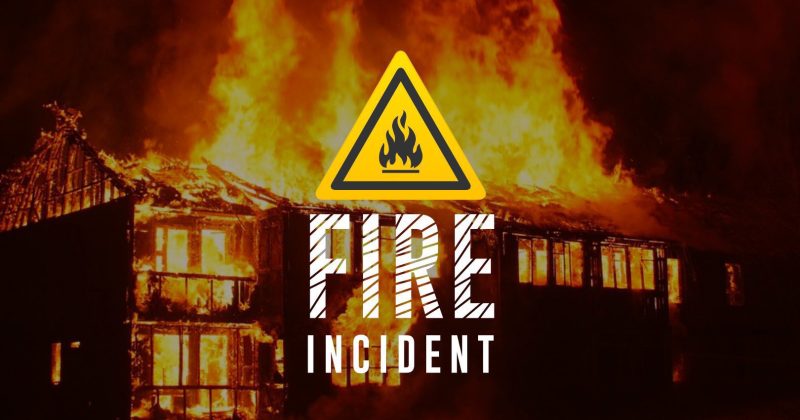
The governor was speaking after the May 24 fire in Kibera’s Makina area that killed at least eight people, including a pregnant woman and seven members of one family. Over 20 others were injured, and around 40 homes were reduced to ashes. The fire broke out at about 5:00 a.m. as residents slept.
Just days earlier, on May 19, a separate fire in Mathare B slums claimed five lives, including two children. That blaze also left several others critically injured and destroyed eight homes and two churches.
Governor Sakaja warned that fire incidents in Nairobi’s informal settlements are escalating into a full-blown humanitarian crisis. He argued that a long-term solution lies in making electricity more accessible and affordable to slum residents, reducing their reliance on dangerous, illegal connections.
“If we don’t lower electricity tariffs in informal settlements, we will continue having fires every day. In January alone, we recorded 70 fire incidents,” he said.
“We need to adopt globally recognised models of social electricity connections. Let’s come up with a more sustainable approach.”
He acknowledged the efforts of county emergency response teams but said fire prevention must now be prioritised over reaction. By formalising access to electricity and lowering tariffs for vulnerable communities, Sakaja said, the government could help prevent further loss of life and improve living conditions in the capital’s poorest neighbourhoods.