NAIROBI, Kenya, May 20, 2026 – The Ministry of Sports is seeking additional funds to aid preparations for next year’s Africa Cup of Nations (Afcon).
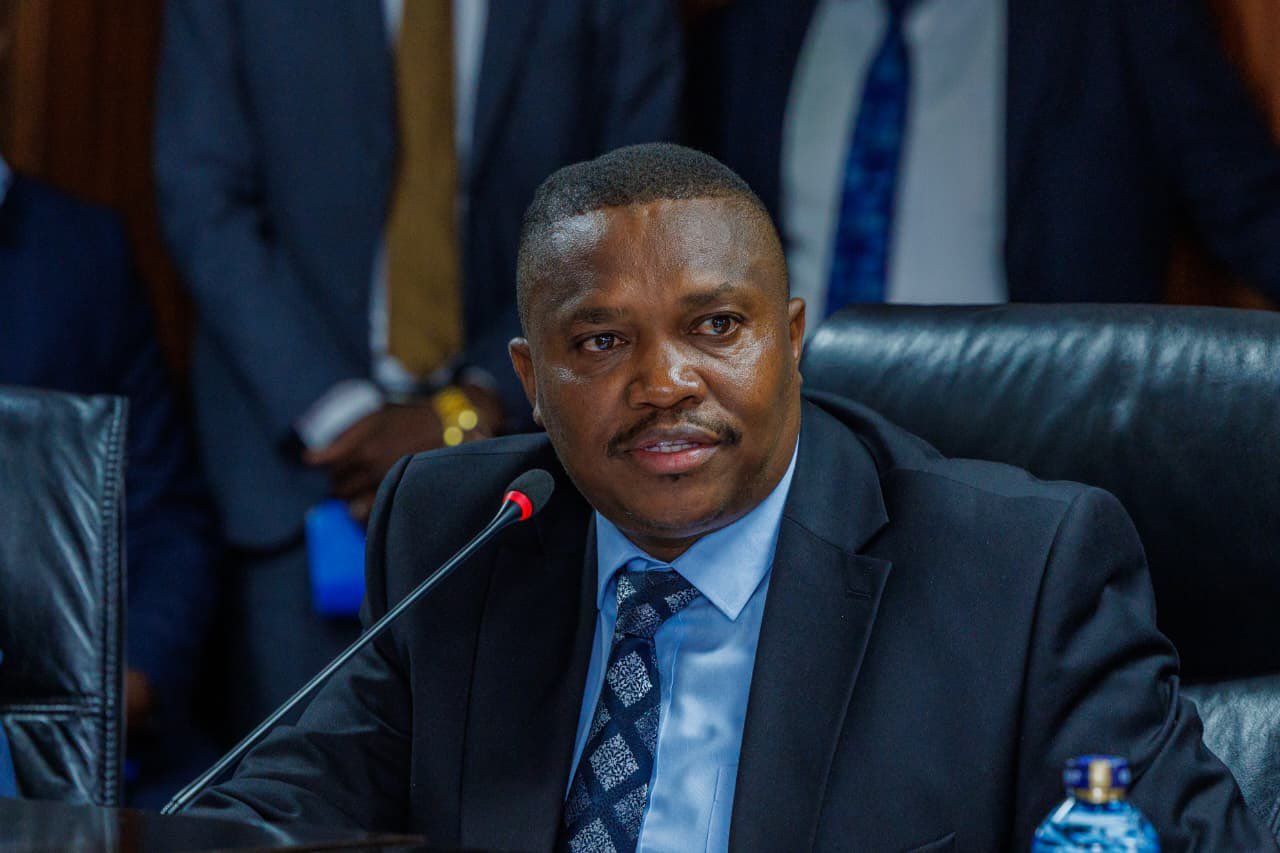
Appearing before the National Assembly’s committee on Sports and Culture on Tuesday, Principal Secretary Elijah Mwangi says their budget for the 2026/27 financial year should be increased to Ksh 32.24 billion, marking a significant increase from the Sh25.49 billion ceiling set in the 2026 Budget Policy Statement.
“Kenya’s sports sector is being positioned not only for competition but also as an economic driver through infrastructure, tourism and youth talent development. To provide leadership, co-ordination, and an enabling policy, legislative, regulatory, and institutional framework for sports development,” the PS said.
Out of this amount, Sh3.9 billion earmarked for AFCON 2027 hosting commitments, alongside increased Appropriations-in-Aid projected from betting taxes and lotteries, which now play a central role in financing sports development.
The proposal reflects a sharp shift in spending priorities, with development expenditure rising to Sh28.8 billion, compared to the earlier ceiling, as the government accelerates construction of key facilities, including the Talanta Sports City Stadium expected to anchor Kenya’s hosting of AFCON 2027.
Mwangi further defended the revised estimates, which lean heavily on development spending and betting-tax-backed funding through the Sports, Arts and Social Development Fund (SASDF).
He said the spending framework is aligned to the Bottom-Up Economic Transformation Agenda (BETA), with investments targeting stadium upgrades, constituency sports academies, and expansion of Kenya’s sports tourism value chain.
Despite the expansion in funding, the submission highlights pressure points within the sector, with agencies such as the Anti-Doping Agency of Kenya (ADAK), Kenya Academy of Sports (KAS), and Sports Kenya all flagging additional funding needs to fully execute their mandates.
ADAK has warned that underfunding anti-doping programmes could expose Kenya to international compliance risks, while KAS and Sports Kenya have also cited budget shortfalls affecting talent development and facility operations.