NAIROBI, Kenya Jul 10 – The government has released more than Sh3 billion under the second phase of the National Youth Opportunities Towards Advancement (NYOTA) programme, extending financial support to over 122,000 young entrepreneurs across the country.
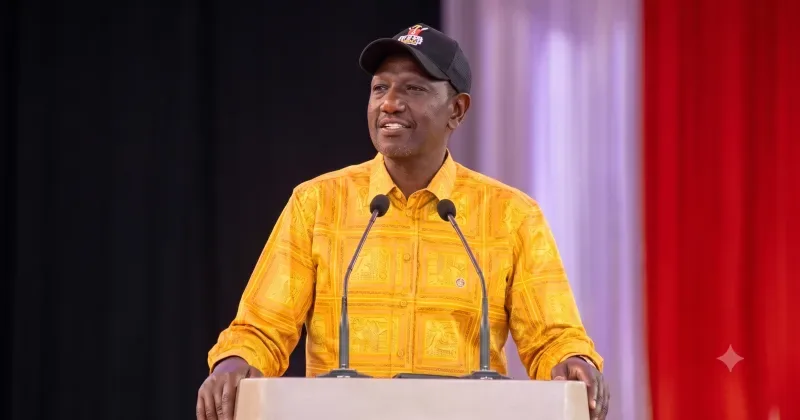
President William Ruto announced the disbursement during the national launch of NYOTA Tranche II in Nairobi, describing the initiative as a key pillar in the administration’s strategy to tackle youth unemployment through enterprise development and business ownership.
Under the latest phase, 88,934 beneficiaries who successfully invested their initial grants will receive a second tranche of Sh25,000 each, bringing their total support under the programme to Sh50,000.
At the same time, an additional 33,269 young Kenyans will receive their first round of funding as they begin their entrepreneurial journeys.
The rollout is being implemented simultaneously across 17 regional clusters covering all 47 counties in a move aimed at expanding access to opportunities and accelerating grassroots economic growth.
In a major boost for young enterprises, President Ruto also announced a two-year waiver on county business permit fees for all NYOTA beneficiaries.
The President directed the Intergovernmental Budget and Economic Council (IBEC), working together with county governments, to develop and implement the waiver to shield startups from the financial pressures associated with business compliance during their formative years.
“Young businesses deserve an opportunity to establish themselves before bearing the full cost of regulatory compliance,” Ruto said during the launch.
The government also directed state-backed financial institutions, including the Youth Enterprise Development Fund and the Women Enterprise Fund, to develop financing products that will support businesses graduating from the NYOTA programme and seeking expansion capital.
Officials say the programme is designed to complement broader government economic initiatives, including the National Infrastructure Fund, by creating an enabling environment for startups to grow, create jobs and contribute to local economies.
The initiative forms part of the government’s wider effort to shift young people from unemployment and informal work into sustainable entrepreneurship and wealth creation.