NAIROBI, Kenya, Oct 21 – The National Government Constituencies Development Fund (NG-CDF) has invested more than Sh3 billion in climate change mitigation projects across the country, including flood control, tree planting and environmental conservation initiatives.
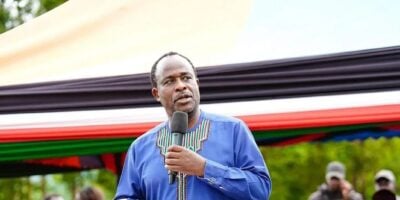
NG-CDF Chief Executive Officer Benjamin Magut said the fund was allocating up to five per cent of constituency allocations to climate-related interventions in support of the government’s environmental conservation agenda.
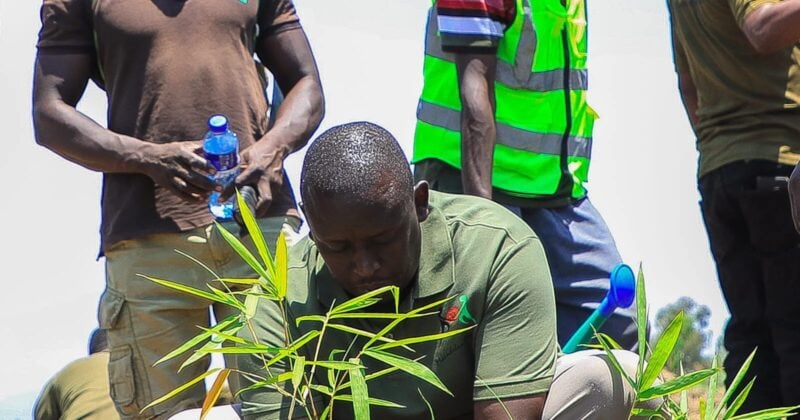
Speaking in Kisumu on Wednesday, Magut led NG-CDF officials in a tree-planting exercise along River Nyamasaria in Kisumu Central Constituency, where the fund has invested nearly Sh16 million in constructing dykes and installing gabions to protect communities from recurrent flooding.
The exercise formed part of the ongoing Mazingira Month activities aimed at promoting environmental conservation and strengthening communities’ resilience to climate change.
“As CDF, we have given ourselves a target of planting half a million trees every year across the 290 constituencies. We are contributing to the President’s aspiration of planting 15 billion trees by 2030,” Magut said.
He noted that the fund was supporting the establishment of tree nurseries, the distribution of seedlings and environmental conservation projects, including initiatives led by young people and women to promote economic empowerment.
Magut said the NG-CDF Act of 2015 provides for the allocation of up to five per cent of constituency funds to climate change initiatives.
He added that the fund’s interventions were focused on four key areas: afforestation, water harvesting, solarisation of schools and public institutions, and infrastructure to protect communities from floods and other environmental disasters.
In Kisumu Central, the construction of dykes and installation of gabions along River Nyamasaria have helped address flooding that has affected residents of Nyalenda and Kapuothe for nearly nine years.
Magut said the recurring floods had previously submerged homes and farms in Kapuothe village, while Nanga Primary School and Nanga Secondary School were forced to suspend learning during periods of heavy rainfall.
He said the flood-control project, implemented over several years at a cost of nearly Sh16 million, had helped restore livelihoods for close to 10,000 households and reduced disruptions to learning at the two schools.
The structures have helped protect homes and farms from rising water levels, allowing residents to resume their daily activities with fewer interruptions during the rainy season.
Residents credited Kisumu Central MP Joshua Oron with supporting the installation of gabions through NG-CDF funding to prevent excess water from flowing into homes.
Ezekiel Oketch, a resident of Kapuothe, said the intervention had eased the burden on families who previously faced displacement whenever River Nyamasaria overflowed.
“Our homes are no longer being flooded as they were before. We thank the constituency for putting up the gabions to stop excess water from entering our homes. These climate mitigation projects are life-saving for our community,” Oketch said.
He added that the measures had also benefited local schools, particularly Nanga Primary and Nanga Secondary, where flooding had previously disrupted lessons during heavy rains.
Another resident, Cristabel Oyiera, said families had experienced relief during the current rainy season, with fewer disruptions and no displacement reported by her account.
“This season, we have not been displaced by floods. The dykes have made a big difference to our lives, and planting bamboo along them will help hold the soil together and protect the structures from being damaged by water,” Oyiera said.
Magut said the tree-planting exercise was intended to complement existing flood-control infrastructure by reducing soil erosion and helping stabilise the dykes.
He said NG-CDF would continue working with constituencies and the Kenya Forest Service to supply seedlings and support environmental projects designed to improve climate resilience.
The fund’s initiatives are intended to combine long-term environmental conservation with practical interventions that address the immediate effects of climate change, including flooding and soil erosion.
Magut said the approach would help protect homes, safeguard education and strengthen communities’ capacity to cope with increasingly unpredictable weather patterns.
The tree-planting target of 500,000 trees annually across the country’s 290 constituencies is also expected to contribute to the government’s broader goal of planting 15 billion trees by 2030.