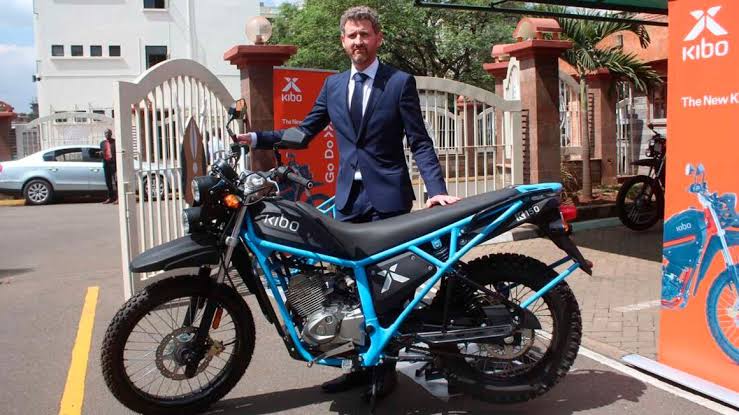
NAIROBI, Kenya, April 16 – Van de Grijspaarde never imagined before that one day he would run a successful business on the African continent.
However, he says he has always been passionate about entrepreneurship and development since he was young.
“I defininately did not see myself running a business in Africa. However I have always been passionate about entrepreneurship and development,” Grijspaarde says.
“So its not exactly what I envisioned as a 16 year old but I am definitely not complaining,” he continues.
But this changed dramatically in 2017, when he launched Kibo Motorcycles, a Kenyan company that makes motorcycles locally.
Nevertheless, before setting up in the country, he had other options in West African countries such as Togo, Benin, and Ghana, which he had visited.
“When I compared Kenya to the other three countries in 2011 Boda Boda was not as big as it was in West Africa so I saw an opportunity that we were ready to fill,” the entrepreneur explains.
“I also knew that our parts would be coming from Europe and Asia so Kenya was an easier option in terms of shipping and logistics,” he tells.
“The Kenyan people are also more friendly and aggressive so it just made sense to set foot in Kenya.”
Kibo, which is based off Mombasa Road in Nairobi, makes three motorcycle brands, such as the Kibo K-150, Kibo K-160, and the Kibo K-250, which retail for about Sh190,000 and above.

Moreover, they are the official distributor of Kenda tires in Kenya.
To produce bikes for African roads, Grijspaarde spent six years to research and develop the product.
The study focused on what the market needed, what the terrain was like, and what motorcycle would work best.
“Initially the “boda boda” market is what we had set our minds on but after research we found out that it was not viable due to cost of production,” he says.
“If we were to go into the Boda boda business it meant that we would have to lower the quality of our motorcycle in order to compete with other players in the market and that was not possible for us.”
Its clientele includes corporations, governments, and non-governmental organizations, among others.
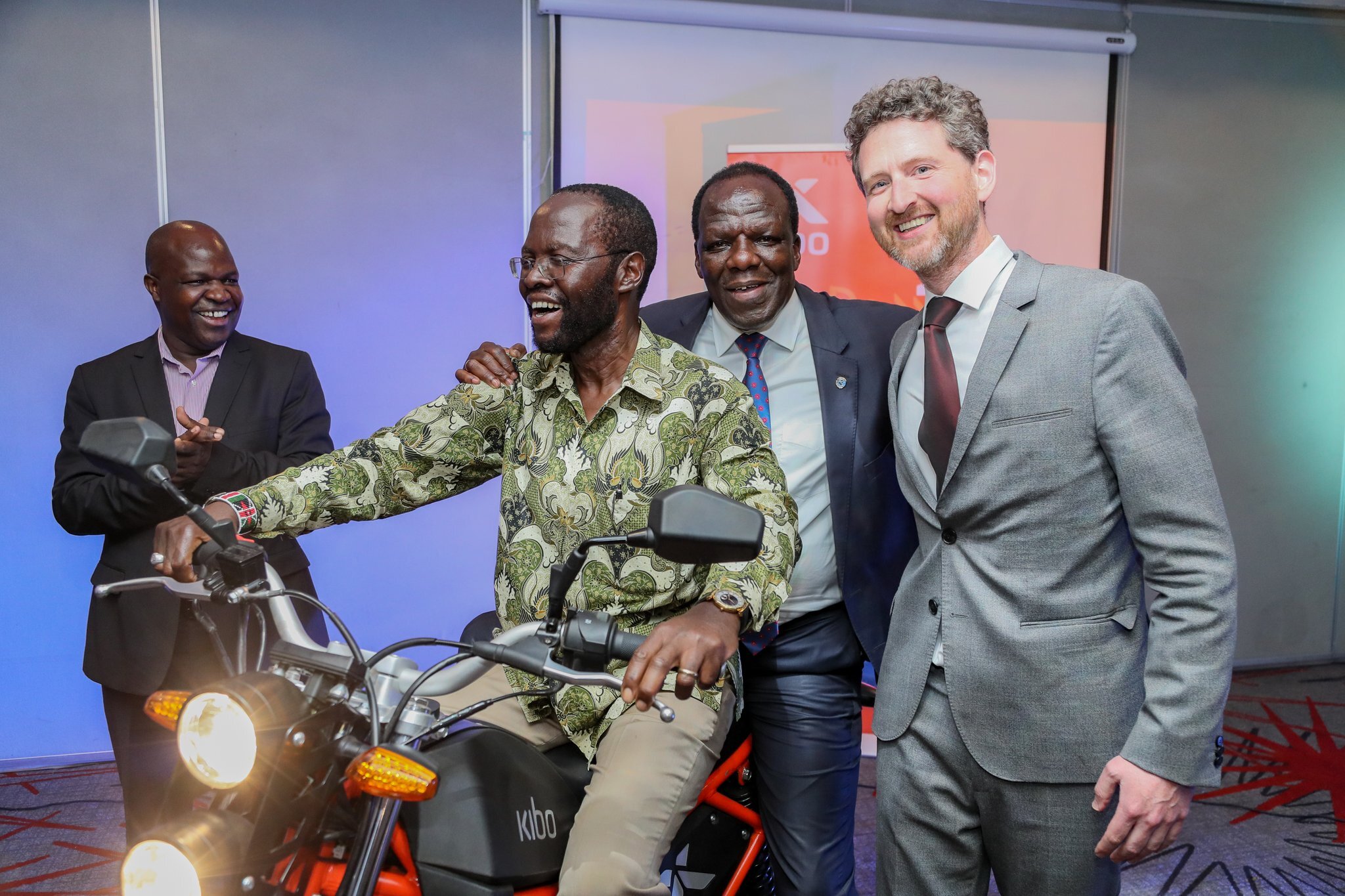
The master’s in development economics holder says that they source components from Europe and Asia with assembly done in the country.
One of the biggest challenges was covid-19, which impacted the supply chain.
“The dollar to Kenya shillings exchange rate is definitely the greatest challenge that we face,” he days.
“We buy all our parts in dollars and sell in Kenya shillings so when the kenya shillings drops in value against the dollar we experience a reduction in margin.”