LAIKIPIA, Kenya, May 9 – In Laikipia North, where transport costs have long dictated the price of goods and the pace of life, the promise of the Nanyuki–Naibor–Doldol road is being viewed as more than infrastructure, it is being framed as a measure of economic justice.
The 60-kilometre road, backed by a Ksh5 billion government allocation, sits at the centre of a wider 217-kilometre road programme across Laikipia County aimed at opening up rural economies, improving market access and reducing long-standing inequalities in development.
During a recent visit to Doldol, President William Ruto said the government’s focus is to ensure equitable development reaches all parts of the country.
“We are implementing inclusive development programmes so that no part of Kenya or community is left behind. In Laikipia County, KSh5 billion has been allocated for the construction of the 60km long-awaited Nanyuki-Doldol road, with the contractor set to start work shortly,” he said.
He added that infrastructure investment is being tied to broader economic transformation.
“We are also investing KSh15 billion in the Affordable Housing Programme, which will include building 13 modern markets,” he said, linking roads, housing and trade as interconnected drivers of growth.
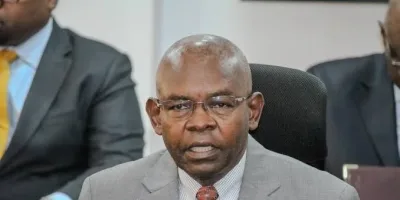
The importance of the project has also been highlighted by Kenya National Highways Authority Director General Eng. Luka Kimeli, who described road infrastructure as central to economic inclusion and regional growth.
“Quality road infrastructure remains the backbone of economic growth and social transformation. Roads connect people to markets, schools, healthcare facilities, and investment opportunities, while also opening up regions for trade and development,” he said.
He noted that without reliable connectivity, communities and businesses continue to face challenges in movement, access to services and economic participation.
Deputy President Kithure Kindiki described the programme as part of a national push to unlock productivity and create opportunities at the grassroots level.
“The Government is accelerating the implementation of equitable, strategic and transformative development projects and programmes across the country, create millions of jobs and income opportunities and improve the quality of life for every citizen,” he said in Doldol.
He noted that the road is expected to reduce transport inefficiencies that have long burdened local economies. “To facilitate faster, safer and cost-effective movement of people and goods, the Government has allocated 5 billion shillings to the construction of the 60-kilometer Nanyuki-Doldol road,” he said.
For residents and transport operators, the economic impact of poor infrastructure has been deeply felt in daily operations and the cost of doing business.
Jeff Mugendi Njagi, a resident here in Laikipia, and a driver transporting construction materials notes that the road has made transport unpredictable and expensive.
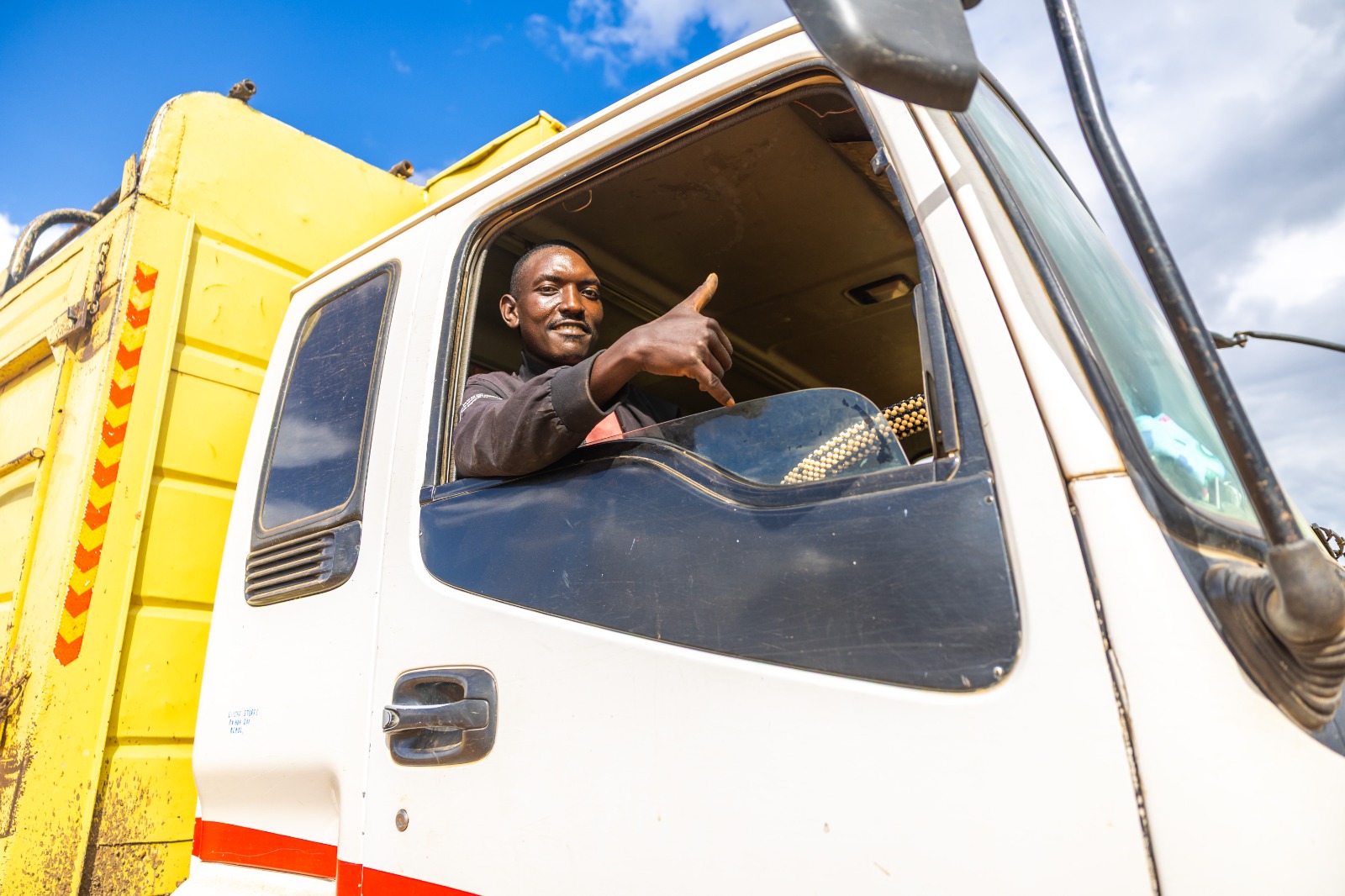
“When it rains here, you can remain stuck for two days if you are trapped, and even three days in the mud,” he said, describing delays that disrupt supply chains and increase costs.
Njagi added that the consequences go beyond business losses. “Sometimes you find a patient who is sick cannot be taken to Nanyuki Referral Hospital,” he said.
He said completion of the road by 2027 would transform the local economy. “By the end of 2027, this tarmac should be completed,” he said, adding that improved connectivity would lower transport costs and revive trade.
Laikipia North MP Sarah Paulata Korere also urged continued collaboration between national and local leaders to ensure infrastructure projects deliver real impact to residents.
As construction preparations advance, the Nanyuki–Naibor–Doldol road is increasingly being viewed as a litmus test of economic justice, whether long-neglected regions will finally gain equal access to markets, services, and opportunity.