NAIROBI, Kenya, Oct 24 — The Kenya Wildlife Service (KWS) has translocated another troublesome elephant to Tsavo East National Park — the second such operation in under three weeks.
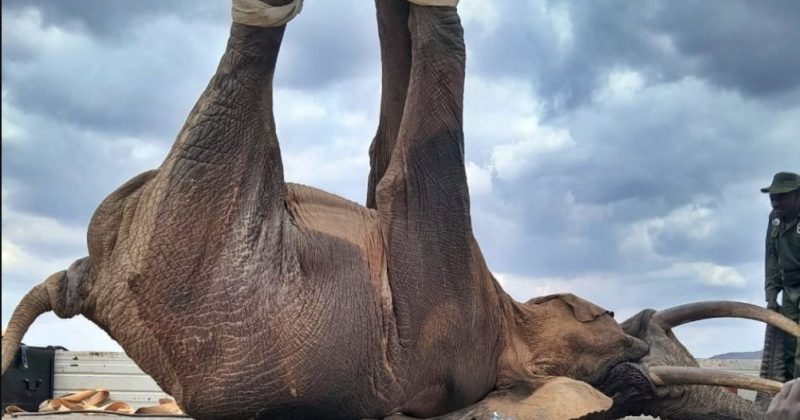
In its latest operation, the KWS Problematic Animal Control Unit, working jointly with the Sheldrick Wildlife Trust, captured a bull elephant in Mangelete, Makueni County, after it was reported to have raided farms and posed a threat to nearby communities.
“The jumbo, previously profiled as a community threat, was safely contained and relocated to Tsavo East National Park — restoring safety for both people and wildlife,” KWS said in a statement on Friday.

The operation follows a similar relocation on October 6 in when the service moved another troublesome bull from Meru to Tsavo East.
The Meru elephant had become notorious for breaching electric fences and repeatedly destroying crops at Kithoka Village, near Imenti Forest.
Fence-breaking bull
KWS said the earlier relocation was not only intended to safeguard local livelihoods but also to prevent the bull from teaching its fence-breaking behavior to other elephants — a problem often seen among herds due to elephants’ intelligence and strong social memory.
KWS said expanding agricultural activity and encroachment on traditional wildlife corridors have intensified contact between people and elephants, particularly in Makueni, Meru, and Taita Taveta counties.
“Addressing human-wildlife conflict remains a key priority for KWS,” the Service said, adding that strategic fencing, relocation, and public awareness initiatives are central to its mitigation strategy.
The wildlife agency relies on tracking technology and community reporting systems to monitor elephant movements, ensuring early intervention in potential conflict zones.
Human-wildlife conflict remains one of Kenya’s most persistent conservation challenges, with elephants frequently straying beyond protected zones in search of food and water — especially during dry spells.