NAIROBI, Kenya, Oct 3 – Korean companies are stepping up efforts to enter Kenya’s fast-moving consumer goods market, with cosmetics and food emerging as the latest products drawing interest after years of dominance by electronics, vehicles and construction equipment.
Matundura Gesora, a senior manager at the Korea Trade-Investment Promotion Agency (KOTRA), said consumer products were gaining traction as Korean firms assessed areas with potential for expansion in Kenya.
“There have been construction machinery and the automotive have traditionally had electronics as well have had a very strong presence in Kenya but increasingly we are seeing FMCG fast-moving consumer items especially cosmetics and food growing in popularity currently and as it is currently those are the categories that I think have the strongest commercial demand or potential to grow in the next couple of months or years to come.”
The shift is prompting Korean firms to adjust products and consider local production as they seek to compete on price and meet Kenyan consumer preferences.
“Korean companies are undertaking a few strategies to suit their products for this market by specifically designing products that are suitable for this market, taking into account the tastes and cultural preferences of their consumers in Kenya.”
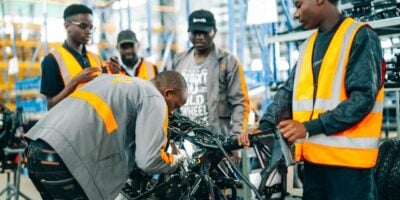
Gesora said some companies were considering establishing manufacturing operations locally, which could lower production and distribution costs while allowing firms to tailor products to the Kenyan market.
South Korea-reported UN Comtrade data shows merchandise trade between Kenya and South Korea stood at about US$225.96 million (Sh29.2 billion) in 2025, up six percent from the previous year.
The two countries are also seeking to deepen business links through investment, technology transfer and increased market access, although expanding Kenyan exports remains part of the broader trade agenda.
Korean firms such as Samsung and LG already have established operations or distribution networks in Kenya, while newer entrants are assessing the market through local distributors, retailers and potential manufacturing partnerships.
For Kenya, increased Korean investment could bring new products and technology, while local manufacturing would offer opportunities for domestic suppliers and employment if firms move beyond importing finished goods.