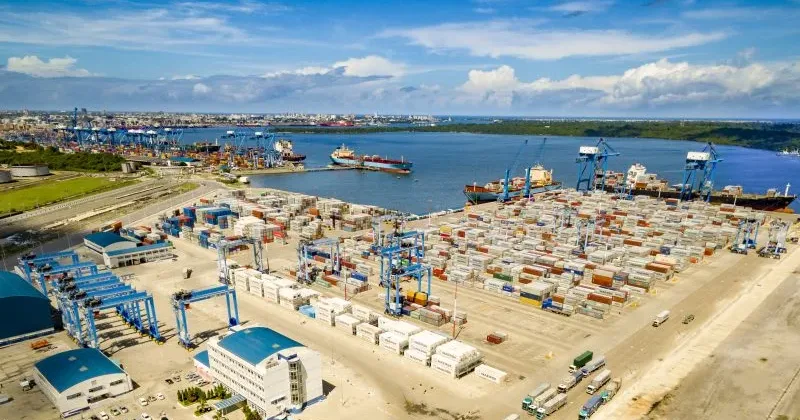
NAIROBI, Kenya, Nov 10 – Kenya’s ports could attract new international shipping business by investing in infrastructure for alternative marine fuels, as the global shipping industry accelerates its shift towards cleaner energy, opening opportunities for Mombasa and Lamu to become regional green bunkering hubs.
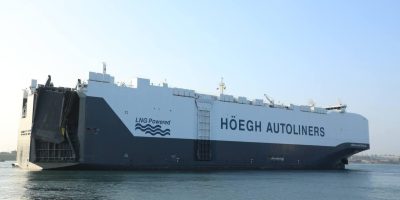
The World Shipping Council says the transition presents an opportunity for Kenya to attract shipping lines operating vessels powered by alternative fuels, but warns that realizing the potential will require investment in specialized bunkering facilities, fuel storage and supply systems.
Simon Bergulf, Vice President for Environment and Climate at the World Shipping Council, says the market for alternative-fuel vessels is already developing, with approximately 1,300 vessels within the council’s liner shipping membership capable of operating on alternative fuels.
“We have amongst just the membership of the liner sector, which we represent, around 1,300 vessels coming in these years right now that are capable of sailing on these alternative fuels. They’re dual-fueled ships,” Bergulf said.
“So, there’s a huge market there.”
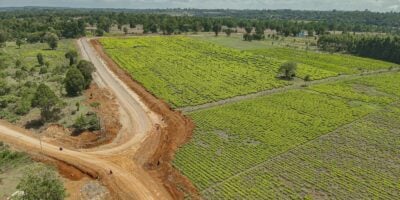
According to Bergulf, Kenya could leverage its renewable energy capacity and potential feedstock from agricultural and urban waste to support the production of cleaner marine fuels, creating opportunities across the energy, agriculture and maritime sectors.
However, developing a competitive green bunkering industry will require coordinated investment involving the government, private investors, port operators and energy producers to establish commercially viable fuel production, storage and distribution infrastructure.
Bergulf noted that different alternative fuels have varying handling and safety requirements, making specialized port facilities and reliable supply chains essential to attracting shipping operators.
He said Kenya could position itself as a regional supplier, serving vessels calling at its ports as well as international shipping lines seeking cleaner fuel within the region.
The opportunity comes as shipping companies increasingly invest in vessels capable of using alternative fuels such as methanol, ammonia and biomethane as they respond to pressure to reduce greenhouse gas emissions.
The executive contends that developing the necessary infrastructure at the Port of Mombasa and the developing Port of Lamu could create an additional source of maritime revenue while strengthening the country’s competitiveness as a regional logistics and energy hub.
The investments could also open new markets for local agricultural producers and waste-to-energy businesses supplying feedstock for alternative fuel production, provided production costs and supply volumes are commercially competitive.