NAIROBI, Kenya, June 13 – The Kenya Association of Manufacturers (KAM) has opposed Eco Levy, a new environment tax targeting manufacturers and importers of selected 18 products under the proposed Finance Bill 2024.
The manufacturers, led by the Association Chief Executive Officer (CEO), Antony Mwangi, noted that the levy will affect various products, including plastic packaging, car batteries, diapers, sanitary towels, and rubber tyres.
“The Bill seeks to amend laws relating to various taxes and duties. Additionally, it introduces various amendments including the Eco Levy targeting manufacturers and importers. This levy will affect various products,” the association said.
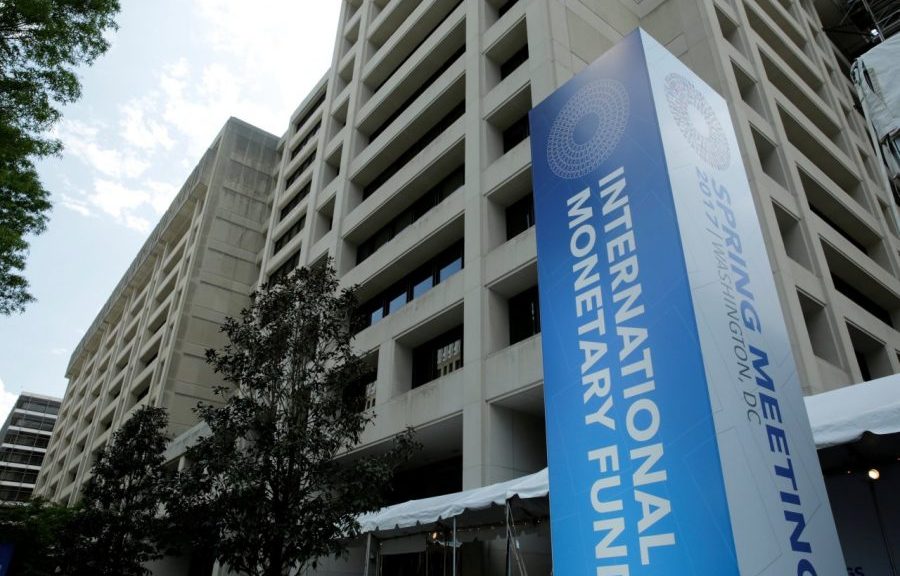
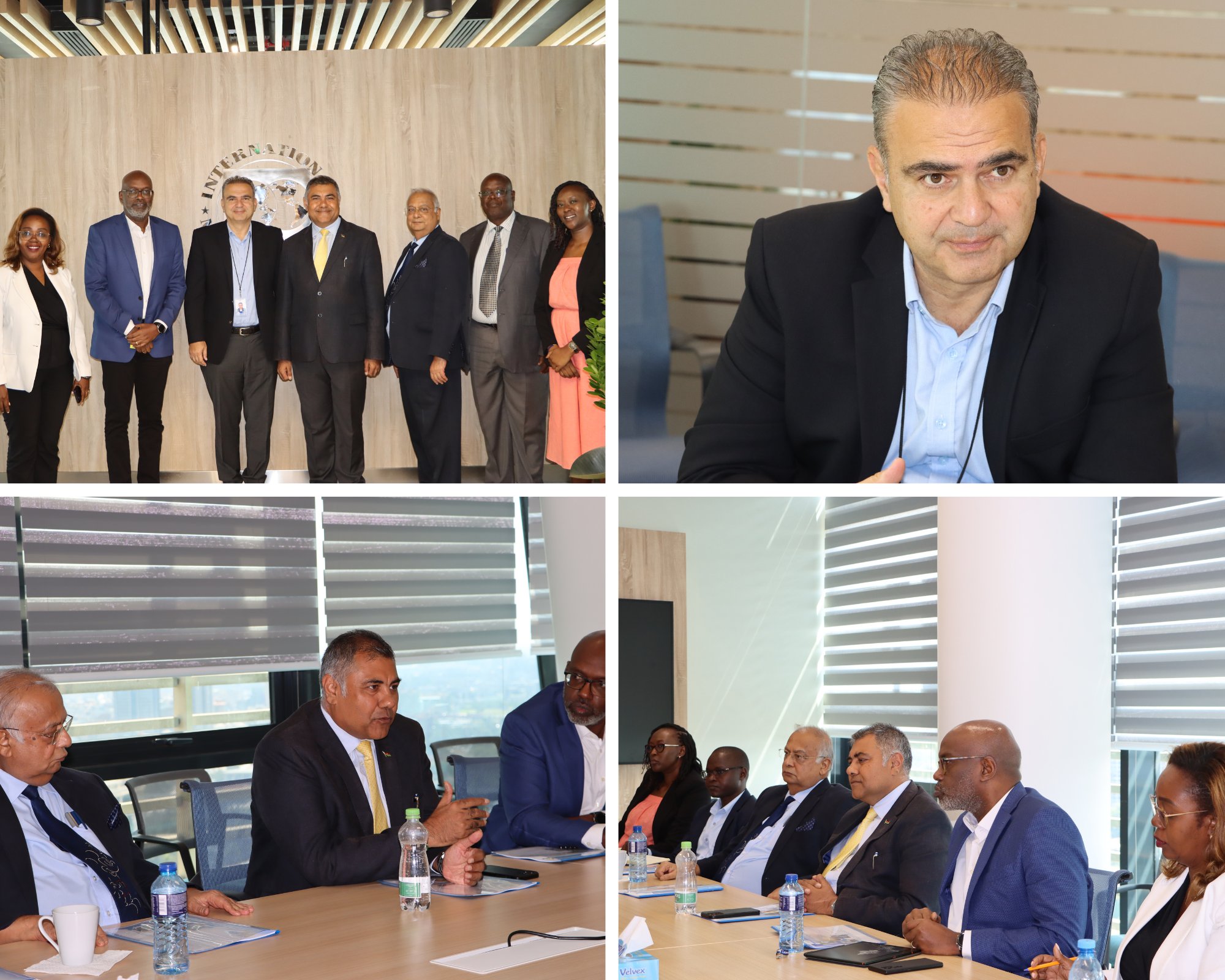
During an engagement meeting with International Monetary Fund (IMF) Kenya Resident Representative, Selim Cakir, on the impacts of the Finance Bill, 2024, the Association CEO, Antony Mwangi, claimed that the contentious Bill, which seeks to amend laws relating to various taxes and excise duties, will negatively impact the sector businesses.
In the proposed bill, the government is pushing to remove the provision of excise duty under the Excise Duty Act, allowing manufacturers to offset the costs of their raw materials subject to excise.
The local manufacturers therefore urged the government to reconsider the move as it focuses on attaining more revenue.
“Whereas we recognize the government’s need to raise revenue, it is imperative that it reconsiders some of the changes that the Finance Bill 2024 proposes, which will have far-reaching impacts on the manufacturing sector, and to a larger extent, the local mwananchi,” the Association stated.
The bill proposes an eco levy of Sh 150 per kilogram of plastic packaging material, which would increase the prices of plastic packaging materials, batteries, and hygiene products, including diapers and sanitary pads.
Among other provisions that the bill is seeking to introduce is a 16 percent VAT on bread, which will increase the price of the basic commodity by Sh 9 if it is implemented in its current form.