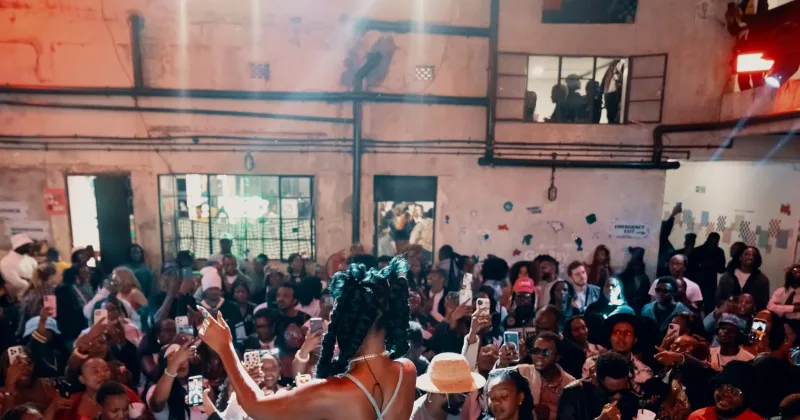
In Nairobi, music rarely stays in the background. It moves through lunch breaks, evening link-ups, studio sessions, Sunday plans, football nights, gospel gatherings and conversations with friends. During the first week of Spotify’s Greasy Tunes Nairobi, that everyday relationship with sound became a shared cultural experience.
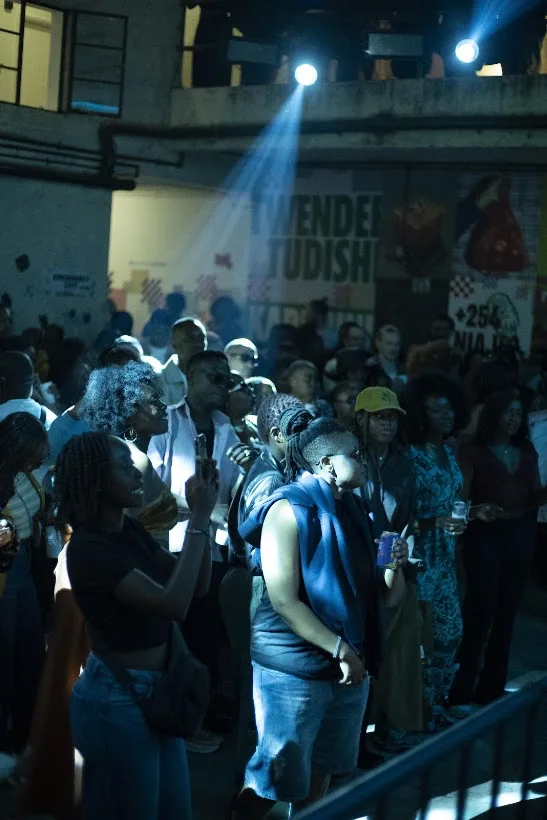
Running from 15 to 26 July at Heltz House, Greasy Tunes was created as a physical space where Nairobi’s young listeners, artists, creators and cultural communities could come together. Week One, aptly themed Starters, set the tone by showing how music connects the different parts of the city’s creative life: food, fashion, podcasts, performance, faith and sport.
Spotify’s June 2026 listening data helped frame the idea behind the programme. In Nairobi, listeners aged 18 to 24 accounted for 53.7% of music streams, the highest Gen Z share among Nairobi, Lagos and Johannesburg. Listening also peaked at 18:00, while the evening and unwind window accounted for 30.5% of daily listening among Nairobi’s 18–24 audience. Dinner-adjacent hours, from 18:00 to 21:00, made up 20.9% of daily music listening for the same group, generating 25.3 million streams.
“Greasy Tunes brings the energy people experience on Spotify into a shared physical space. The programme reflects how music already connects Nairobi’s young listeners, whether through food, conversation, creativity or community,” said Agnes Opondo, Artists & Labels Partnerships Lead, Spotify East Africa.
Week One: Where the city came to gather
The week opened with the Greasy Tunes Café and Hotspot, turning Heltz House into a daytime hub where people could work, meet and stay close to the programme between events. The Kitchen Opening Party with The BAG gave the week its first big cultural cue: in Nairobi, food and music are not separate experiences. They are often part of the same social ritual.
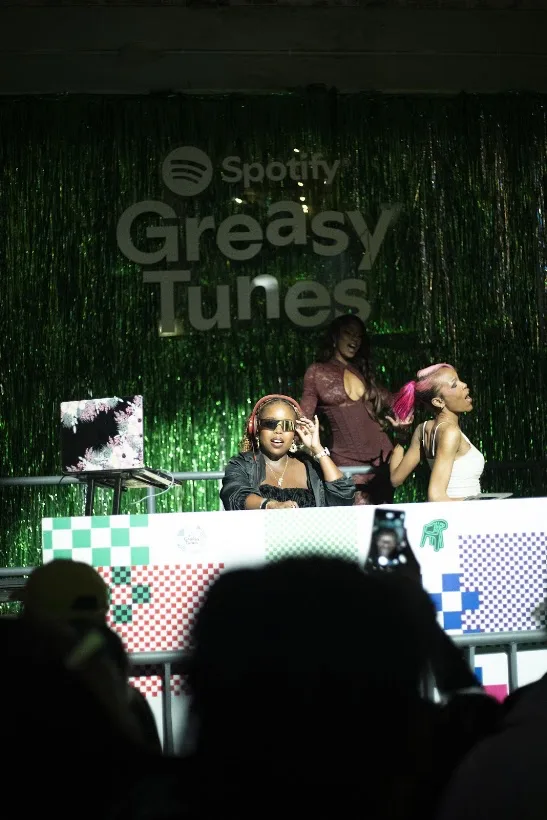
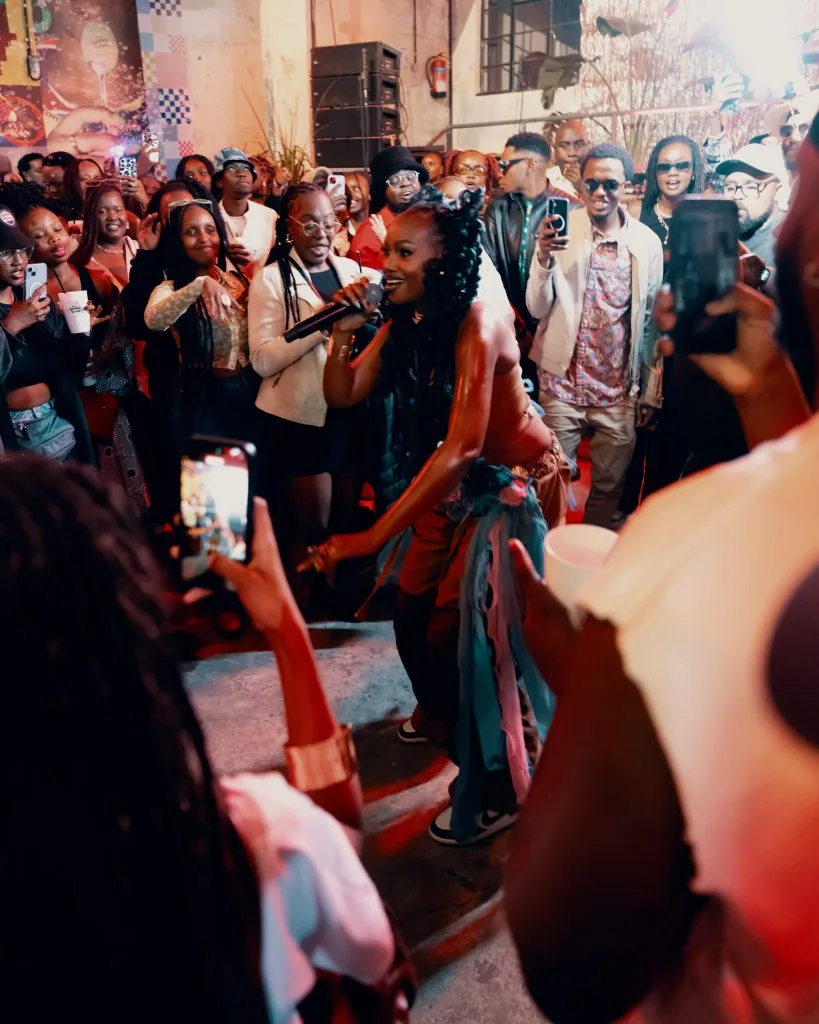
That idea carried into Karibu Night, hosted by Studio 18, where Spotify brought together music and fashion through a showcase inspired by the Made In Kenya playlist. With Afropop at the heart of the playlist’s DNA, the showcase translated Kenyan sound into visual culture. It was built around the official Greasy Tunes jersey and scarf designed by Studio 18, with designers within the Studio 18 community styling and reimagining the pieces into a broader fashion moment.
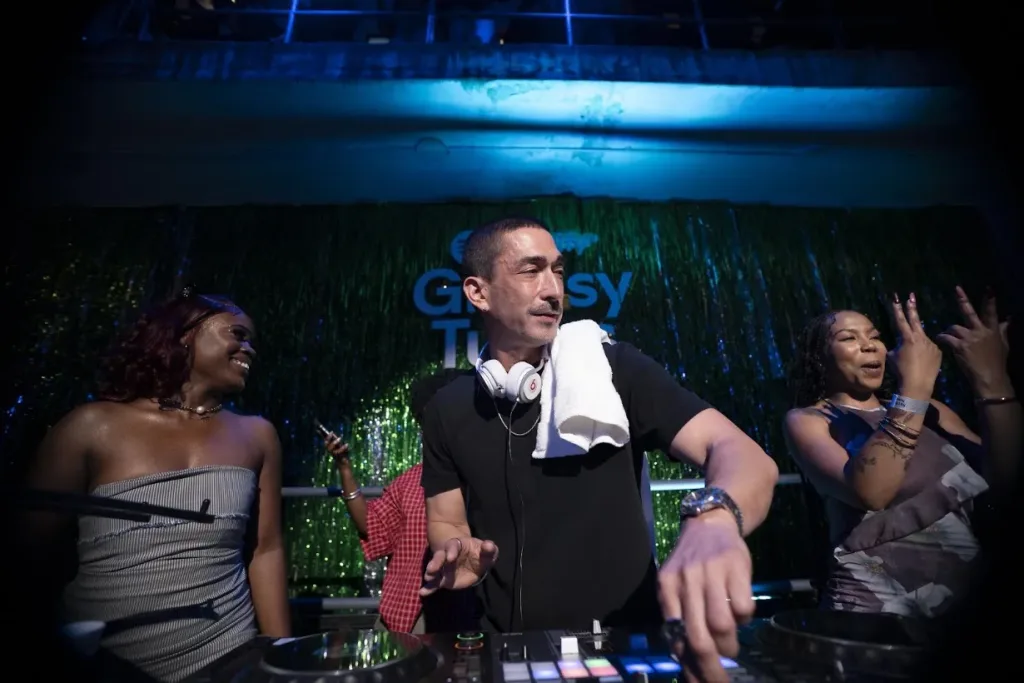
The night also placed artists from the playlist in the room, including Buruklyn Boyz, whose hip hop and drill sound brought another dimension to the Made In Kenya story. During Greasy Tunes, the Made In Kenya playlist cover changed daily to reflect artists connected to each day’s event. On day two, the cover featured Buruklyn Boyz for Karibu Night, before changing to Coster Ojwang on day three for The Fisherman’s Experience.
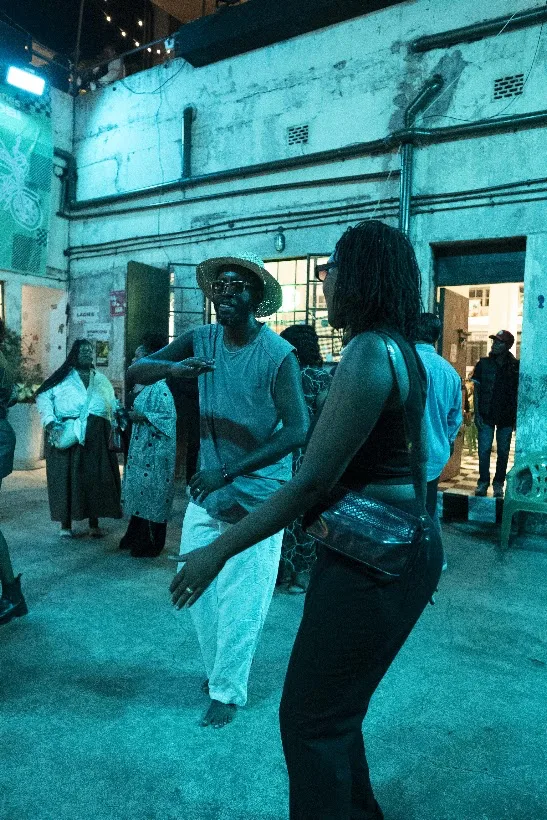
As the week unfolded, Greasy Tunes moved from fashion into conversation. The Culture Club recording with Eric Musyoka and The 30% Podcast reflected the growing role of podcasts as part of Kenya’s youth culture, where storytelling, opinion and creative exchange sit alongside music discovery. Spotify’s Kenya-wide podcast data for 18–24 listeners shows Arts, Society & Culture and Comedy among the leading categories, a fitting backdrop for a programme that treated conversation as part of the listening experience.
Live performance then took the space in new directions. The Fisherman’s Experience and Aduma Presents brought different textures of Nairobi’s music scene into Heltz House, extending the programme beyond a single genre or crowd. The first week was not trying to define Nairobi’s sound narrowly. It showed how layered that sound already is.
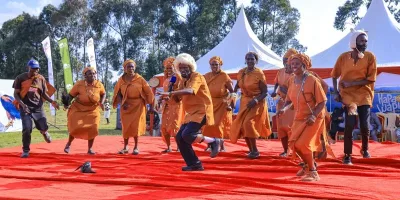
Sunday closed Week One by stretching the meaning of music even further. Smocha Sundays brought together Bambika TV, The Gospel Hangout and a Football Watch Party, moving from faith and inspiration into sport and late-night community. Gospel performances, live recording moments and football energy all sat within the same cultural frame: music as the thing that helps people gather.
By the end of Week One, Greasy Tunes had made a clear point. For Nairobi’s young listeners, music is not just something they stream. It is part of how they eat, dress, talk, worship, watch, celebrate and build community.
Week Two: The Mains
Following a strong opening week, Week Two: The Mains (20–26 July) expanded Greasy Tunes into new creative territory, transforming the space into a hub of culture, music and collaboration.
The Greasy Tunes Café and Hotspot remained active throughout the week, while the Blueprint Workshop with Kasi Flavour and the Studio 18 Pop-Up continued to establish the venue as a destination for creativity. The programme opened with Gufy’s Room: Poetry, Music & Storytelling, introducing spoken word to the festival and exploring the connection between music, storytelling and self-expression.
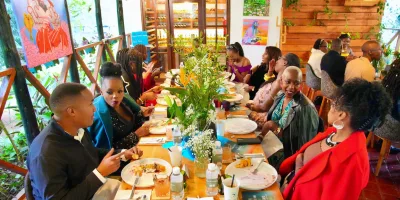
Throughout the week, Greasy Tunes brought together some of Nairobi’s most exciting creative communities through a Premium Fan Event with Nyashinski, Assembly Lite, the EQUAL Workshop and Showcase with Ongeza Volume, The Standup Collective, Fresh Finds/Nakili Sessions, a MIC Cheque podcast recording, Brunch with Citizen Digital and the Strictly Soul Closing Party.
Together, these experiences expanded the festival’s cultural footprint. While Week One celebrated the role of music in everyday social rituals, Week Two showcased how music fuels creative expression, fan communities, women-led spaces, comedy, live music discovery and Nairobi’s vibrant nightlife.
Although the festival has concluded, its impact continues through Spotify’s Made in Kenya playlist, an Afropop editorial playlist celebrating Kenyan music and the artists shaping the country’s sound.
Over 12 days, Spotify’s Greasy Tunes Nairobi brought together the city’s creative communities through food, music, podcasts, fashion, sport and cultural programming. By creating a physical space for these connections, Greasy Tunes reflected how young Nairobians already experience music: as a shared part of everyday life.