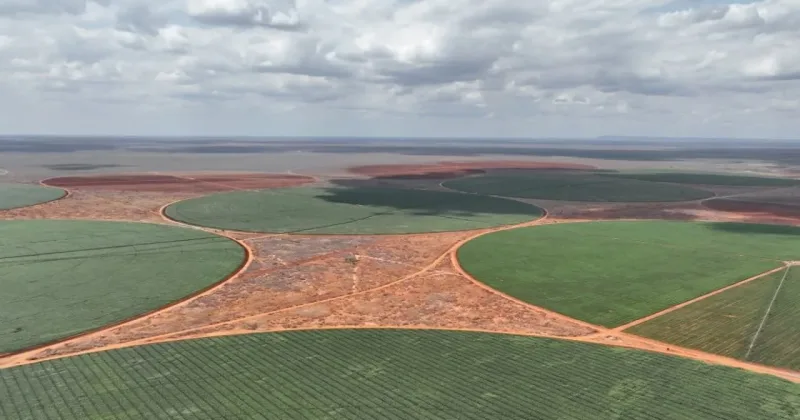
NAIROBI, Kenya, Aug 19-The government has stepped up efforts to unlock financing and clear remaining hurdles standing in the way of the Galana/Athi Dam Project, a major irrigation scheme expected to transform agricultural production across about 200,000 acres.
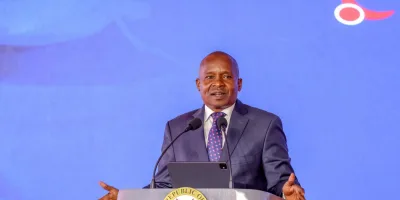
The push was discussed on Tuesday as Irrigation Principal Secretary Ephantus Kimotho chaired a meeting to review the project’s readiness, with financing, technical preparations, land arrangements and other requirements taking centre stage.
The government is now seeking to bring together multiple sources of funding under a blended financing model that would combine concessional financing, development grants, the National Infrastructure Fund (NIF) and commercial financing.
Officials also explored possible co-financing arrangements involving development and financial partners as the government seeks to close the funding gap and move the project from preparation to actual construction.
“Key implementation requirements were also reviewed, including project cash-flow needs, mobilization of equipment and the securing of offtake agreements,” the Ministry of Water, Sanitation and Irrigation said.
The team agreed to intensify engagement with financing partners and address outstanding requirements needed to facilitate the timely commencement of works.
The Galana/Athi Dam is being positioned as a major component of Kenya’s efforts to expand irrigation and reduce dependence on rain-fed agriculture, particularly as the country grapples with increasingly unpredictable weather patterns.
Once completed, the project is expected to support irrigation development across approximately 200,000 acres, significantly increasing agricultural production and creating opportunities for farmers.
The government expects the scheme to contribute to food security while opening up new economic opportunities in agriculture and supporting its broader climate-resilient agricultural transformation agenda.
Officials emphasized the need for close coordination between government agencies, financiers, development partners and other stakeholders to resolve outstanding issues and accelerate implementation.
The Ministry said the meeting reaffirmed the importance of “close coordination, flexibility and solution-oriented collaboration among all stakeholders” to move the project into implementation.