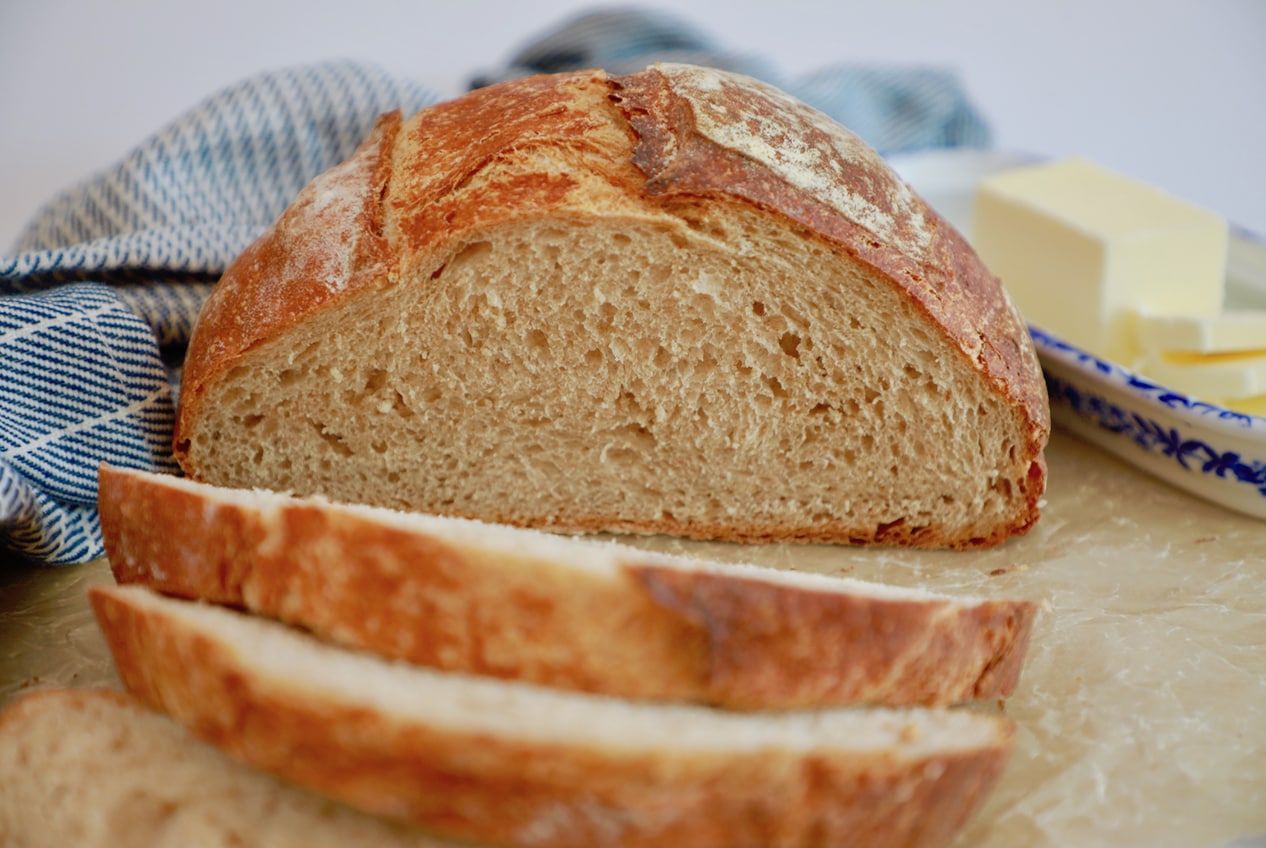
NAIROBI, Kenya, Aug. 11 – Wheat millers have warned that delays in the release of C60 wheat import approvals could push up the prices of wheat flour, bread, chapatis and other wheat-based products.
The Cereal Millers Association (CMA) said continued delays in the approvals are preventing imported wheat consignments from clearing normally, increasing demurrage, storage and financing costs.
A C60 is a government control document that allows an approved miller to import a specified quantity of wheat under the Duty Remission Scheme for processing into flour for the Kenyan market.
Kenya meets about 95 percent of its wheat requirements through imports, with local production accounting for about five percent.
Under the existing wheat import framework, millers are required to purchase available locally produced wheat before being allocated import permits through the C60 approval process.
CMA members have committed to purchasing locally produced wheat at Sh5,100 per 90-kilogram bag, up from Sh4,750, under the Local Wheat Purchase Programme.
CMA Chief Executive Officer Paloma Fernandes said millers had fulfilled the requirements of the programme but were still waiting for outstanding C60 approvals.
“Millers have fulfilled the requirements of the Local Wheat Purchase Program and committed to purchase local wheat at KSh 5,100 per bag. With these commitments in place, we respectfully urge that the necessary import approvals be released at the earliest opportunity,” Fernandes said.
“Every additional day of delay adds demurrage, storage and financing costs which do not benefit the farmer, the miller or the consumer. They are simply additional costs being introduced into the food supply chain,” he added.
The delays come as the international wheat market faces renewed pressure, with the Food and Agriculture Organization (FAO) reporting that global wheat prices rose 5.8 percent in July and were 9.9 percent higher than a year earlier.
The CMA said disruptions to Black Sea exports and damage to export infrastructure have increased shipping and insurance risks and could raise the cost of wheat imported into Kenya.
Kenya’s reliance on imported wheat makes the country particularly exposed to disruptions in international supply chains.
“At a time when the global wheat supply chain is once again under pressure, Kenya cannot afford to create an additional bottleneck at home. We should be doing everything possible to secure supplies and keep the cost of food stable, not adding costs through administrative delays,” Fernandes added.
CMA said supporting local wheat farmers and ensuring adequate imports were not competing objectives, arguing that Kenya needs both to maintain an adequate supply of wheat.
The association called on the Agriculture and Food Authority (AFA) and other government agencies to release outstanding C60 approvals, prioritise wheat consignments already at the port and ensure administrative processes do not delay import planning and vessel clearance.
The millers warned that prolonged delays could increase costs across the wheat supply chain and eventually be reflected in prices of flour and other wheat-based products.