NAIROBI, Kenya, July 2 – For millions of Kenyans who rely on chamas and welfare groups to raise money for medical bills, school fees and other emergencies, the Finance Act, 2026 has retained the current tax regime on person-to-person digital transfers after Parliament dropped a proposal to introduce Value Added Tax (VAT) on the transactions.
The proposal was removed before the Finance Bill, 2026 was passed by the National Assembly on June 18 and later assented to by President William Ruto, shielding digital contributions from additional transaction costs.
Members of Parliament approved the Bill by 122 votes to 40 after adopting amendments proposed by the Departmental Committee on Finance and National Planning, including the deletion of the proposed VAT on person-to-person digital transfers.
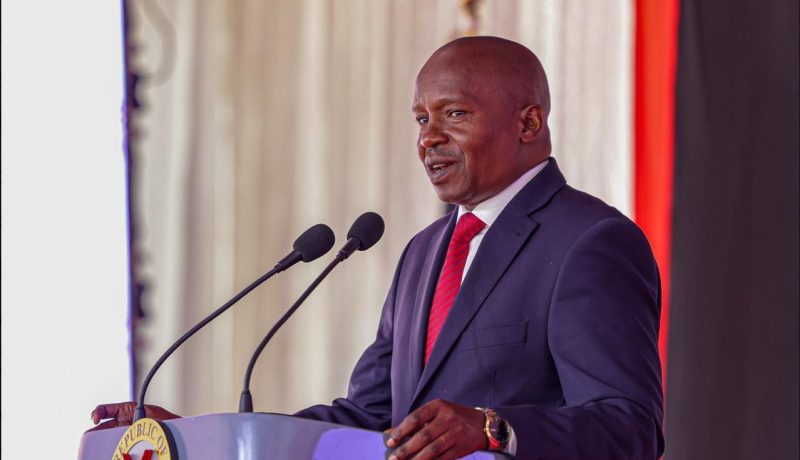
Committee Chairperson and Molo MP Kuria Kimani said the committee sought to balance revenue mobilisation with economic recovery and taxpayer protection following public participation that attracted views from more than 100,000 Kenyans, county hearings and consultations with stakeholders.
During the public participation process, industry players cautioned that taxing digital transfers would discourage the use of formal payment channels.
Kenya Bankers Association Chief Executive Raimond Molenje warned that higher taxes on digital payments would push consumers towards cash transactions, making tax collection more difficult and reversing gains made in financial inclusion.
Safaricom also estimated that introducing VAT alongside the existing 15 percent excise duty would increase the effective tax burden on digital transactions from 15 percent to 33.4 percent, raising transfer costs for consumers.
The Kenya Private Sector Alliance (KEPSA) similarly argued that additional taxes on digital payments would increase the cost of doing business and encourage a shift back to informal cash transactions.
For users of crowdfunding platforms such as OneKitty that allows chamas and groups to pool contributions, set goals, and disburse funds collectively, the outcome was directly relevant.
“When this proposal was tabled, our users were understandably worried,” said Danche Ng’ang’a, founder of OneKitty.
“Chamas are not just savings groups; they are social safety nets that help families navigate some of life’s most difficult moments. Adding extra costs to digital contributions would have made it harder for communities to support one another when it matters most.”
“We are encouraged by the decision to remove the proposed VAT. It keeps digital contributions affordable, strengthens financial inclusion, and ensures that more of every contribution goes toward helping the intended beneficiary rather than covering additional transaction costs.”
Co-founder Shem Maina noted that the stakes were never abstract.
“The chama is how ordinary Kenyans survive extraordinary moments. Any additional friction in that system carries a human cost that does not appear in a budget projection. We are glad that came through in the final Bill.”
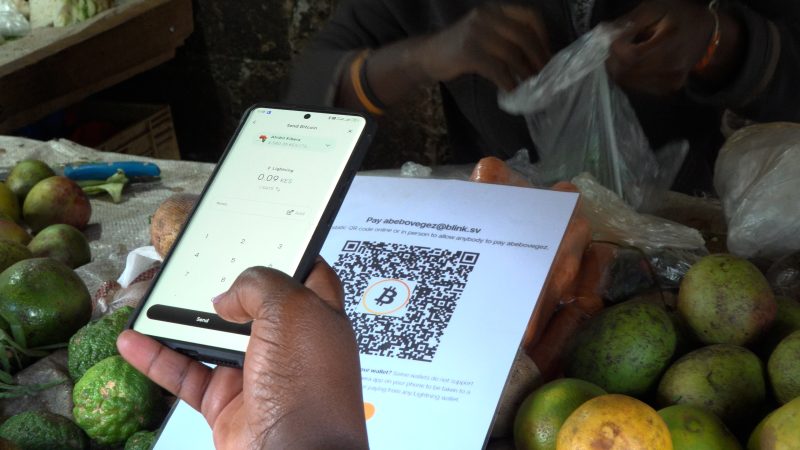
OneKitty is designed around the logic of the traditional chama, bringing it onto a structured digital infrastructure accessible via smartphone. It also integrates directly with WhatsApp and Telegram, automating contribution tracking and calculations within group chats, so that chama administrators no longer have to manage records manually.
The decision is expected to benefit digital platforms that facilitate group savings and fundraising, which have become an important source of financial support for many households during emergencies.
Digital fundraising and chama platforms allow users to pool contributions for medical expenses, bereavements, education and other needs without the additional tax burden that had been proposed under the Finance Bill.