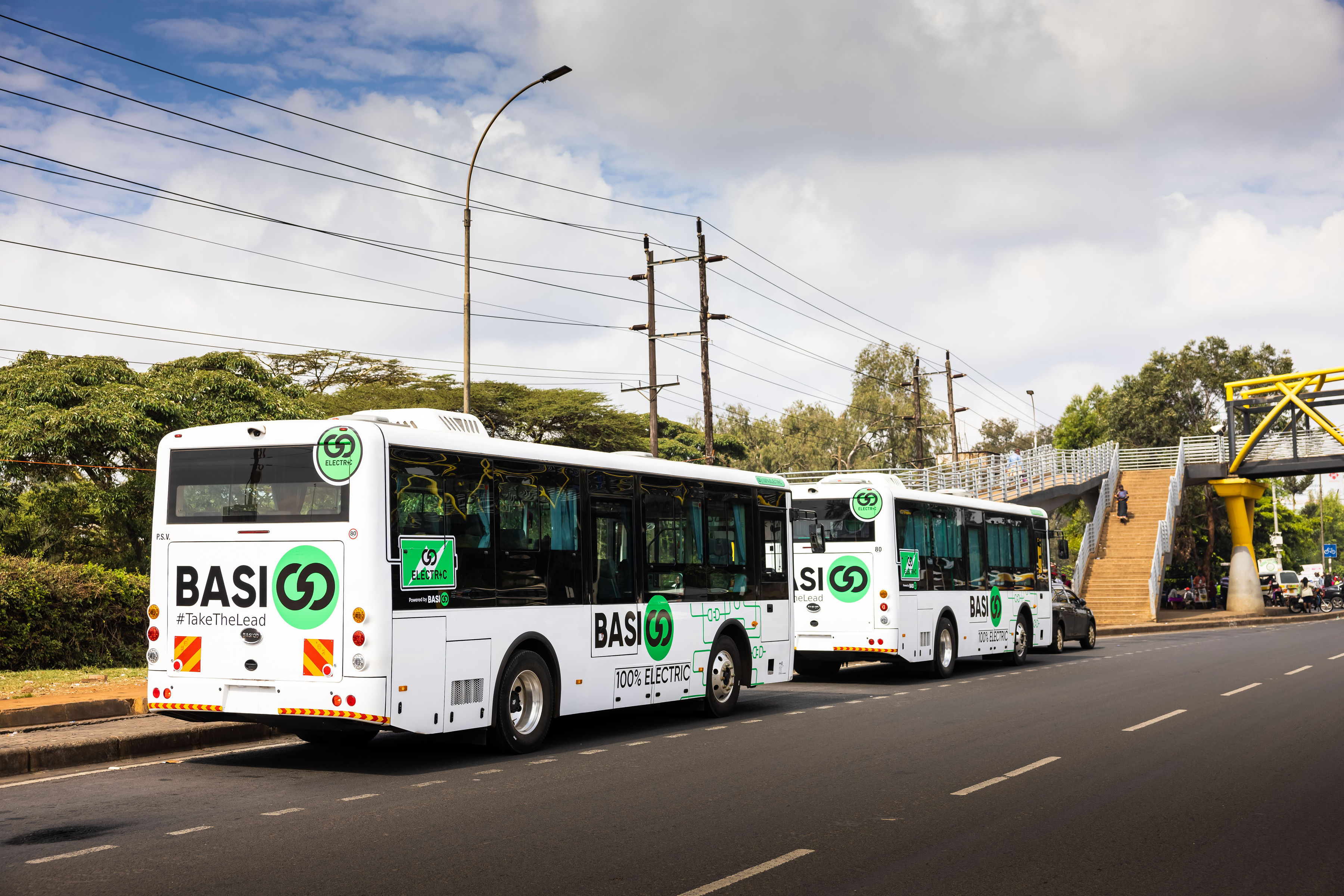
NAIROBI, Kenya, Oct 1 – Power consumed by electric vehicles (EVs) in Kenya surged by 300 percent in the year ending June 2025, driven by the rising uptake of clean transportation systems, data from the Energy and Petroleum Regulatory Authority (EPRA) shows.
According to EPRA, EVs consumed 5.04-gigawatt hours (GWh) in the period, up from 1.26 GWh in the previous fiscal year.
Public transport operators in Nairobi have incorporated EVs into their fleets, with saccos such as Super Metro and Kenya Bus Service (KBS) leading the way. This has been supported by firms like BasiGo and Roam Electric, which have enabled operators to access clean buses through credit.
“The electric vehicle stock in the country has been on an upward trajectory with 6,442 registered electric vehicles (EVs) as of June 2025,” the report noted. “There has been a marked growth in electric vehicle charging points which are currently estimated at 300 as of June 2025 according to the Electric Mobility Association of Kenya (EMAK).”
To encourage adoption, EPRA last year introduced special e-mobility tariffs allowing charging stations and EV users to pay Sh16 per kWh during peak hours and Sh8 per kWh during off-peak hours, capped at 15,000 kWh per month. Beyond this threshold, higher tariffs apply.
Charging operators have intensified lobbying for the cap to be lifted, citing rising demand already exceeding the 15,000 kWh monthly limit.
EPRA has signaled flexibility, saying the restriction could be removed entirely by the end of the current tariff control period in June 2026, subject to data and revenue considerations.
The government has also sweetened EV uptake by halving excise duty on electric cars from 20 to 10 percent, exempting them from VAT, and rolling out regulatory guidelines for charging and battery-swapping infrastructure.