Brussels, Belgium Sep 6 – The European Commission laid out Tuesday the new hurdles facing Russian travellers seeking EU entry visas, in the latest punitive measures taken in response to Moscow’s invasion of Ukraine.
Ministers from EU member states agreed last week to suspend the 2007 EU-Russia visa facilitation deal, stopping short of an outright travel ban but asking Brussels to draw up new rules.
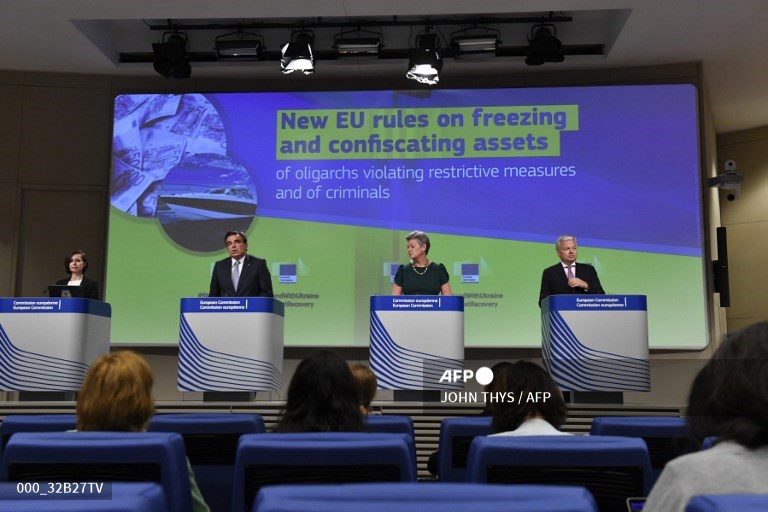
On Tuesday, EU home affairs commissioner Ylva Johansson revealed the proposed new regime, which is expected to win quick approval from member state capitals in the days ahead.
Russian applying for visas to enter the Schengen travel zone — 22 EU member states plus Norway, Iceland, Switzerland and Liechtenstein — will now pay a fee of 85 rather than 35 euros.
The standard processing time for such a request will be extended from 10 to 15 days and in some cases scrutiny will continue up until 45 days. Multiple-entry visas will be restricted.
And applicants will henceforth have to provide a longer list of documentary evidence to support their bids.
The European Commission will also propose that EU countries refuse to recognise Russian passports issued in the occupied regions of Ukraine which Moscow is attempting to annex.
“Russians should not have easy access to the European Union and travelling to the EU as a tourist is not a human right,” Johansson said, promising greater security screening.
“Russia continues to violate international law with its illegal military actions, committing atrocities against Ukrainians and undermining European and global security and stability,” she said.
“Today’s proposal shows a strong and united EU response. We will soon follow up with additional guidelines to ensure enhanced scrutiny on visa applications and border crossings by Russian citizens.”
Last week, Kremlin spokesman Dmitry Peskov admitted that the EU decision would make life more difficult for Russian travellers and denounced: “Another ridiculous decision in a series of ongoing absurdities.”
Some EU countries bordering Russia — Finland, Poland, Estonia, Latvia and Lithuania — have begun to tighten border controls and had been calling for an outright visa ban.
But France and Germany argued that continuing contacts between private Russian citizens and democratic societies would remain valuable, and EU ministers settled on suspending visa facilitation as a compromise.