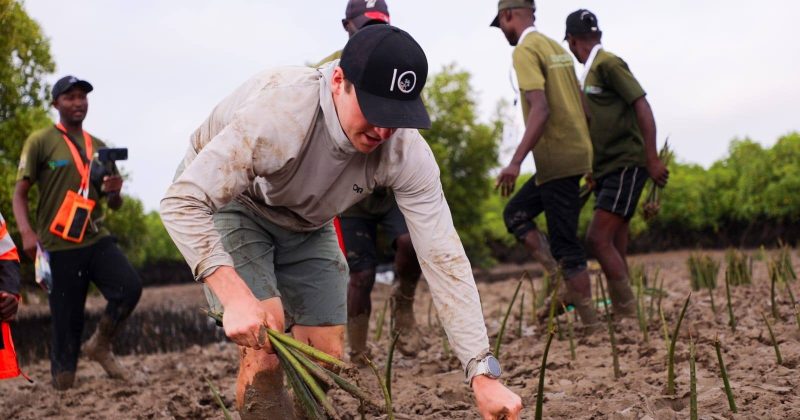
NAIROBI, Kenya, April 30 – A 24-hour race against time is underway at Tudor Creek in Mombasa, where Canadian environmental champion Antoine Moses is attempting to plant 40,000 mangroves in a bold world record bid that has placed Kenya at the centre of global climate action.
The marathon planting exercise, which began at 6:30 AM on April 30, 2026, at Mirarani Site and ends at 6:30 AM on May 1, 2026, is one of the most ambitious restoration events ever staged in the country.
Organisers say the challenge is designed not only to set a new global benchmark, but also to spotlight the urgent need to restore threatened coastal ecosystems.
Welcoming Moses to Kenya, Cabinet Secretary for Environment, Climate Change and Forestry Dr Deborah Barasa said the attempt represents far more than a pursuit of records.
“Kenya is honoured to welcome Antoine Moses from Canada to Coastal Kenya. His attempt to plant 40,000 mangroves in 24 hours at Tudor Creek, Mombasa County, is not just about breaking a record, but breaking the trend of forest degradation before it is too late to mend.”
She added: “His presence affirms our growing role as a credible leader in global climate action.”
Moses, also known internationally as Antomos, is a globally recognised environmental advocate and current Guinness World Record holder for the most trees planted by an individual in a single day.
He is leading the challenge with support from the EarthLungs Reforestation Foundation, the Kenya Forest Service, the Ministry of Environment, Climate Change and Forestry and Canadian restoration partner Veritree.
The target is to plant 40,000 mangrove propagules across the 24-hour period using four important species: Rhizophora mucronata, Ceriops tagal, Avicennia marina, and Bruguiera gymnorhiza.
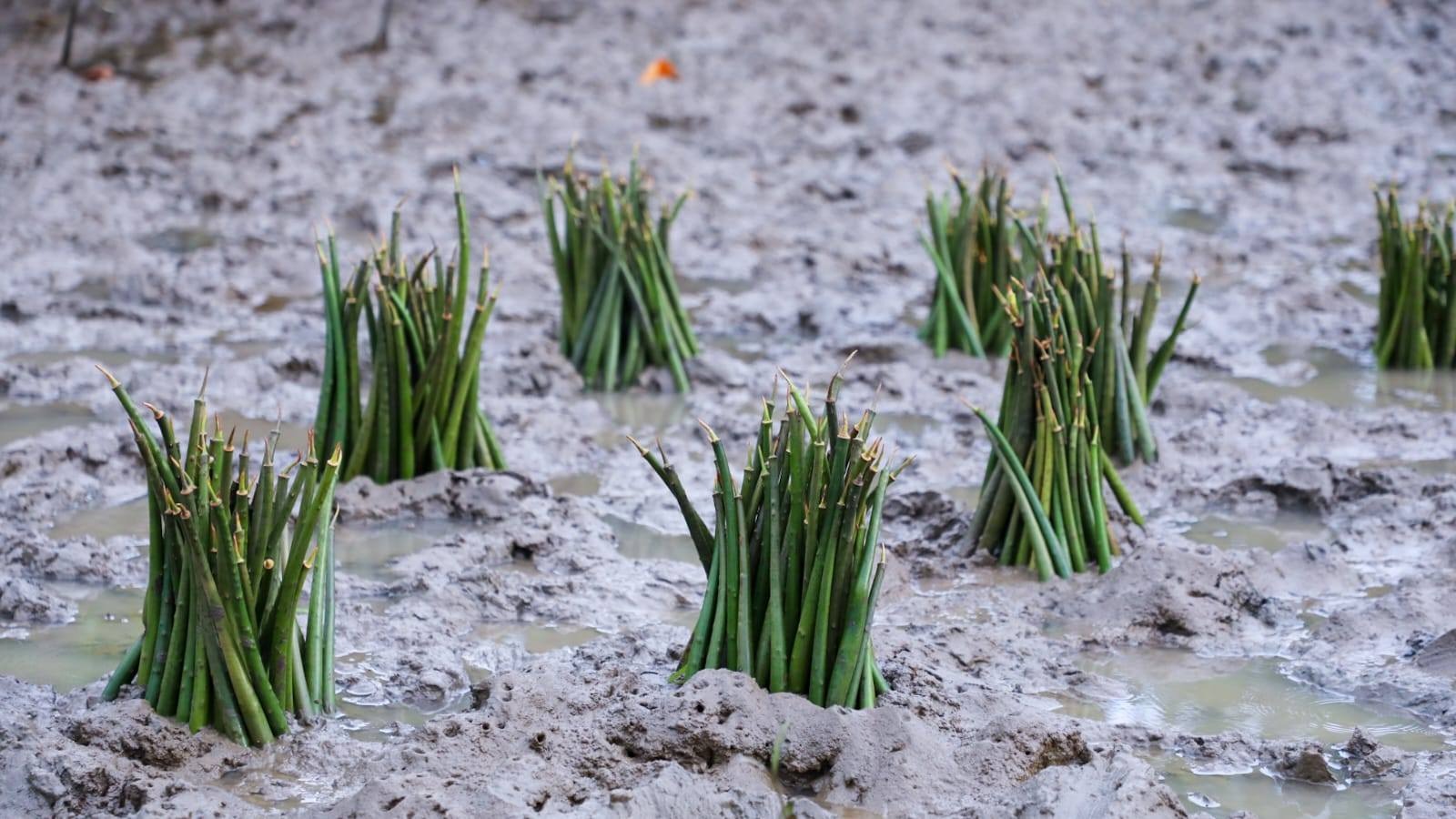
These species are essential in restoring wetlands, stabilising coastlines and supporting marine biodiversity.
Mangrove forests are considered one of Kenya’s most strategic natural resources.
They shield coastal communities from storms and erosion, support fisheries, sustain livelihoods and store significant amounts of carbon, making them key to climate resilience.
Dr Barasa emphasised this national importance, saying: “Mangroves are vital to our nation; they protect our coastlines, support fisheries, sustain livelihoods and are among the most effective natural systems for absorbing and storing carbon, making them critical to climate resilience.”
Kenya’s coastline hosts more than 64,000 hectares of mangroves, though many areas remain under threat from illegal logging, pollution, encroachment, and the effects of climate change.
Conservation groups say restoring degraded sites such as Tudor Creek is critical for both environmental and economic recovery.
The event also supports the Government’s 15 Billion Trees Programme, which aims to restore degraded landscapes, expand tree cover, create green jobs, and strengthen climate adaptation.
Officials say the world record bid demonstrates the strength of partnerships between government agencies, private organisations, communities and international allies in advancing restoration goals.