NAIROBI, Kenya, Aug 2 — As political parties intensify manoeuvres ahead of the 2027 General Election, a different kind of political mobilisation is quietly unfolding in Ukambani—one rooted not in party structures but in traditional authority.
The Anzauni clan, one of the Akamba community’s largest with an estimated population of 400,000, is reviving its traditional chiefdom in an effort to restore what it says has been decades of diminishing political influence despite producing some of Kenya’s most prominent independence-era leaders.
Rather than positioning itself as a political party, the clan says it is rebuilding a cultural institution that it believes can serve as a platform for community unity, leadership and engagement with successive governments.
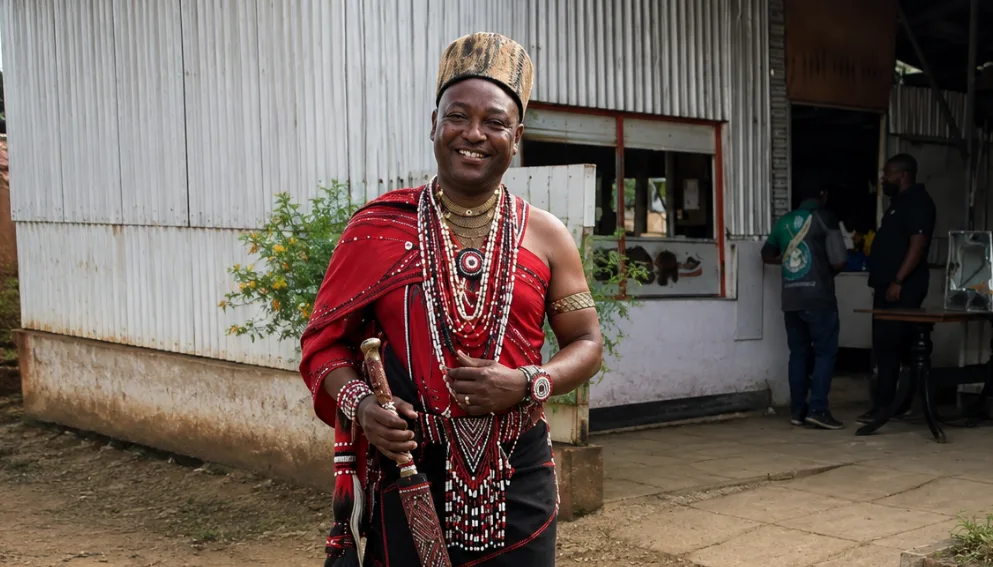
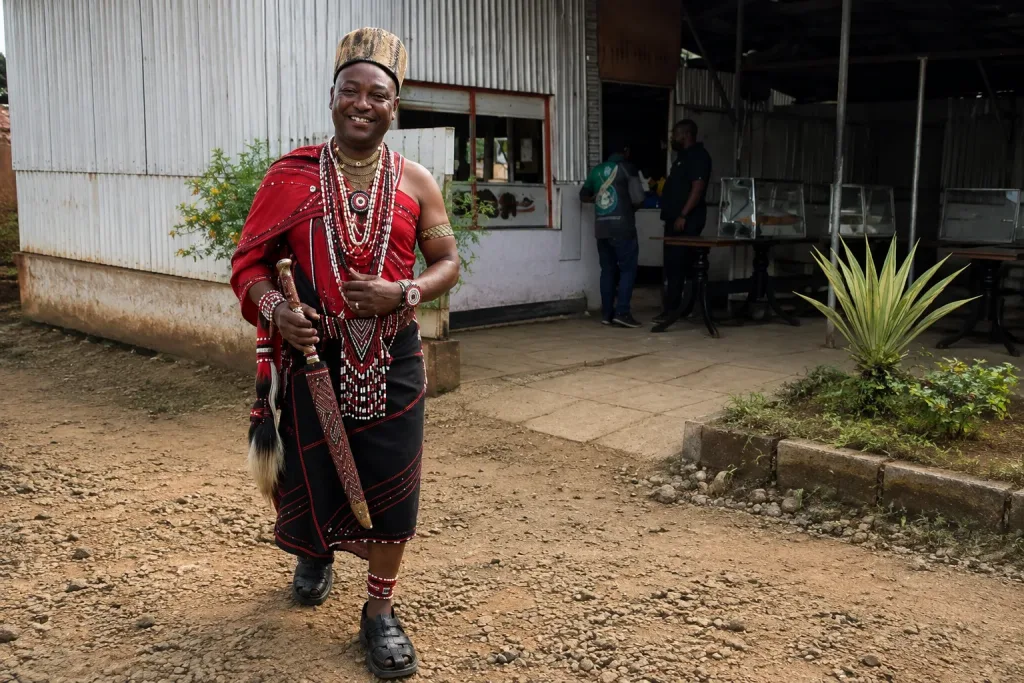
That strategy took shape on July 25 when clan elders meeting in Machakos resolved to formally restore the Anzauni chiefdom and installed National Liberal Party leader Dr. Augustus Kyalo Muli as Chief Kyalo Muli I, with his official coronation scheduled for October 3.
“We are moving our clan from obscurity to national prominence,” Chief Kyalo Muli I said after his installation.
The decision represents more than a cultural revival. It reflects growing sentiment among sections of the community that the Anzauni have gradually lost political visibility despite their historic contribution to Kenya’s nationhood.
Few clans can point to a legacy as distinguished.
Among its best-known sons was Muimi Nzau, who entered the Legislative Council in 1957 under the Lyttleton Constitution as one of the first eight African legislators, serving alongside nationalist figures including Tom Mboya, Ronald Ngala, Oginga Odinga, Daniel arap Moi and James Gichuru during the constitutional negotiations that preceded independence.
The clan also produced Kisoi, who famously raised Kenya’s flag atop Mount Kenya at independence, Fred Mati, the country’s first Speaker of the National Assembly, Nyiva Mwendwa, Kenya’s first female Cabinet minister, and Kitili Mwendwa, the country’s first African Chief Justice after independence.
Yet clan leaders argue that despite this legacy, the community has steadily retreated from the centre of national politics and has not received commensurate representation in senior public appointments or development initiatives.
The revival of the chiefdom therefore seeks to rebuild not only cultural identity but also collective bargaining power.
The development also carries political significance because it places Dr. Muli at the intersection of traditional and elective leadership.
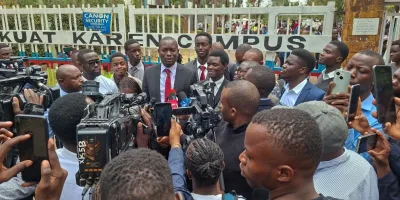
Already serving as leader of the National Liberal Party, Muli rose to national attention in 2024 after successfully resisting attempts to block his nomination to the Independent Electoral and Boundaries Commission (IEBC) Selection Panel, insisting on his nomination despite pressure to cede the position to another candidate.
Since then, he has positioned himself as an independent political voice, frequently criticising both the Kenya Kwanza administration and sections of the Ukambani political establishment while arguing that support for any government should be tied to tangible development commitments for the region.
The restoration of the Anzauni chiefdom potentially gives him something many politicians spend years trying to build—a structured grassroots network anchored in kinship, culture and traditional legitimacy.
Across Africa, traditional institutions continue to influence community mobilisation, conflict resolution and local governance, even where they hold no formal constitutional authority.
Kenya abolished the institution of hereditary chiefs after independence, but cultural councils and clan leadership structures have increasingly re-emerged as vehicles for social organisation and community advocacy.
Chief Kyalo Muli I has already indicated that he intends to champion greater recognition of traditional leadership in Kenya, arguing that recognised cultural institutions could complement government by helping mediate land disputes, resolve family conflicts and preserve indigenous heritage.
It remains to be seen whether the revival remains primarily a cultural movement or gradually evolves into an organised political constituency capable of shaping electoral outcomes in Ukambani.
Organisers expect more than 10,000 clan members from across Kenya to attend the October 3 inauguration.
Invitations have been extended to leaders from both government and opposition, suggesting the ceremony could become one of the region’s most closely watched political and cultural events this year.
Whether the revival ultimately translates into measurable political influence remains to be seen. But at a time when Kenya’s political conversation is increasingly focused on coalition arithmetic and succession politics, the Anzauni clan is betting that identity, history and traditional authority can once again become instruments of national relevance.