NAIROBI, Kenya, June 30 – Central banks and financial market infrastructure providers from across Africa have agreed that interoperable payment systems will be critical to boosting cross-border trade, financial inclusion and economic growth across the continent.
The consensus emerged during the Market Infrastructure Summit hosted by Montran Africa in Cluj-Napoca, Romania, which brought together central banks, regulators, financial institutions and technology providers from Kenya, Ghana, Tanzania, Zambia, Malawi, Tunisia and Mauritania.
Delegates said harmonising payment systems and capital market infrastructure would help lower transaction costs, improve market liquidity and make it easier for businesses and consumers to move money across borders.
A key focus of the discussions was the adoption of common standards such as ISO 20022 messaging, modern real-time gross settlement (RTGS) systems and regional payment networks to enable faster and more secure cross-border transactions.
Participants also highlighted the role of the Pan-African Payment and Settlement System (PAPSS), which allows cross-border payments to be settled in local currencies, reducing reliance on foreign correspondent banks and lowering transaction costs.
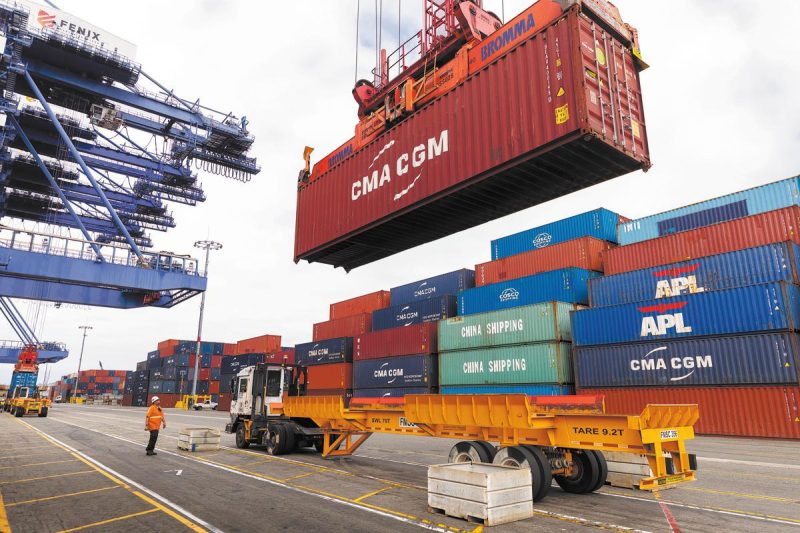
The discussions come as Africa seeks to accelerate implementation of the African Continental Free Trade Area (AfCFTA), with payment interoperability viewed as one of the biggest barriers to increasing intra-African trade.
According to industry estimates cited during the summit, Africa’s cross-border payment volumes are expected to rise from about $329 billion to $1 trillion by 2035 as digital commerce and regional trade expand.
Beyond payments, delegates identified regulatory harmonisation, deeper capital markets and stronger collaboration between central banks, commercial banks and fintech firms as essential to building a more integrated financial system.
The summit also explored ways to improve investor participation in African capital markets and strengthen cooperation among payment system operators as countries continue modernising their financial infrastructure.