NAIROBI,Kenya Nov 21 – German pharmaceutical company Boehringer Ingelheim says it has screened more than 250,000 Kenyans for diabetes and hypertension and enrolled over 20,000 patients on treatment since 2022, as it steps up efforts to tackle late diagnosis of non-communicable diseases.
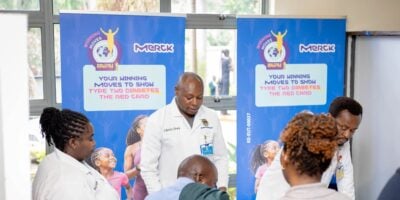
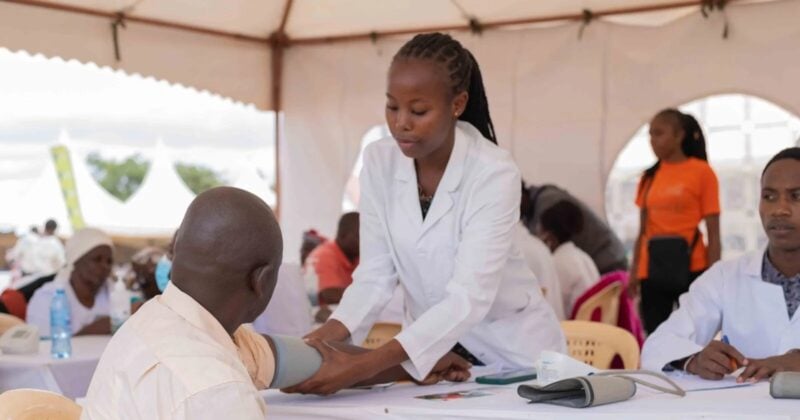
The company, through its Access to Healthcare programme, has been taking screening services closer to communities, particularly in rural and underserved areas where access to medical facilities remains a challenge.
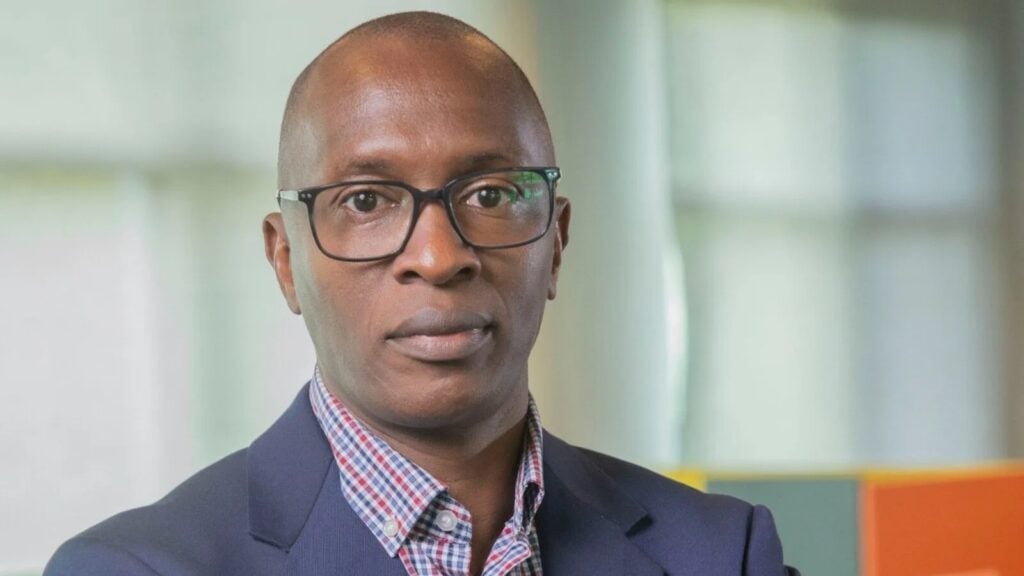
George Kuria, Boehringer Ingelheim’s Sustainable Development for Generations and Access to Health Manager for Sub-Saharan Africa, said the initiative was designed to identify patients early and link those diagnosed with the conditions to treatment and continued medical care.
“So far, we have been able to screen more than 250,000 patients since we started, and we have been able to put on treatment more than 20,000 patients in this programme,” Kuria said in an interview with Capital FM.
Implemented in partnership with healthcare providers, including Zuri Health, the programme uses community outreach clinics and screening camps to reach people who might otherwise go without routine medical checks.
Kuria attributed the high number of undiagnosed cases to poor health-seeking habits, the cost of treatment, limited access to medical facilities and inadequate public awareness about non-communicable diseases (NCDs).
He observed that many Kenyans seek medical attention only after developing symptoms or experiencing complications, rather than undergoing routine health checks.
“They seek health services reactively, not proactively,” he said.
Kuria noted that hypertension and diabetes can remain undetected when people fail to undergo regular blood pressure and blood sugar tests, increasing the risk of complications that require more expensive and specialised treatment.
He also highlighted disparities in healthcare access between urban and rural communities, saying major towns generally have better-equipped health facilities, more qualified personnel and greater access to medical information.
In remote areas, however, residents often depend on facilities with limited staffing and resources, while some are forced to travel long distances to receive medical attention.
The situation is compounded by the high cost of transporting medical supplies, inadequate investment in rural health infrastructure and difficulties attracting healthcare professionals to underserved regions.
“Healthcare services must be provided to the community at their doorsteps and not necessarily them moving from where they are to go very far away to access these services,” Kuria said.
He further cited language barriers and cultural beliefs as obstacles to early diagnosis, noting that some communities struggle to understand health information presented in unfamiliar languages or formats.
Others avoid medical examinations for fear of discovering that they have an illness, delaying diagnosis and treatment.
Kuria warned that late detection of chronic illnesses not only increases the cost of healthcare but can also affect patients’ livelihoods, particularly when complications leave them unable to work and dependent on relatives.
He said patients diagnosed at advanced stages often require specialised services, additional medication and referrals to higher-level hospitals, placing a greater financial burden on households and the healthcare system.
The Access to Healthcare programme was launched in 2022 to address some of these challenges, with a focus on improving screening, treatment and long-term management of hypertension and diabetes.
Through its partnership with Zuri Health, the company conducts mobile outreach clinics and community screening camps where residents receive health assessments alongside information on preventing and managing the conditions.
Patients found to have hypertension or diabetes are linked to continuing care, including access to medication through a tiered pricing arrangement and follow-up support.
The programme also incorporates nurse-led health coaching to help patients understand their conditions, adhere to prescribed treatment and maintain regular medical reviews.
Kuria said the follow-up component was particularly important because some patients abandon treatment after diagnosis due to financial constraints, limited access to medication or inadequate understanding of the risks associated with their conditions.
He said the initiative had reached communities across all 47 counties, with particular attention given to rural populations.
“We have visited all the counties in this country, Kenya,” he said.
The intervention comes amid growing efforts by health facilities to expand access to diabetes screening and treatment.
On November 16, Mbagathi County Referral Hospital announced that it had increased the operating days of its diabetes clinic from two to five days a week to improve access to diagnosis, treatment and long-term patient care.
The expansion was aimed at addressing gaps in diabetes management, particularly the need for regular monitoring to prevent complications.
The World Health Organisation estimates that approximately 18 million people died from non-communicable diseases before the age of 70 in 2021, with 82 per cent of these premature deaths occurring in low- and middle-income countries.
Kuria called for stronger collaboration between the government and private healthcare providers to expand screening programmes, improve access to medication and increase public awareness of chronic illnesses.
He also proposed introducing education on conditions such as diabetes and hypertension into school curricula to help young people understand risk factors and the importance of adopting healthier lifestyles.
He emphasised that screening alone would not address the growing burden of NCDs unless patients diagnosed with the conditions could also access affordable medication and consistent medical support.
“They should come early and not come when it’s too late,” Kuria said, urging Kenyans to make routine health checks part of their healthcare practices.