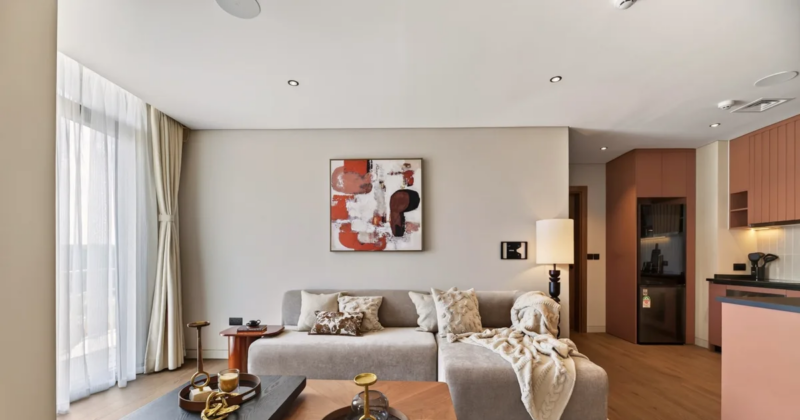
For years, the unspoken tax of living well in Nairobi has been the commute. You might love your apartment in Kilimani, your office in Westlands, your Saturday morning padel game in Karen, and your Sunday coffee run in Ruiru—but piecing that life together means spending half your week staring at brake lights.
A new wave of urban design is quietly rewriting that script. Instead of building isolated residential blocks and leaving residents to figure out the rest, the focus has shifted toward intentional, walkable ecosystems—where the distance between your morning espresso, your desk, and a 10-kilometre trail run is measured in minutes, not fuel consumption.
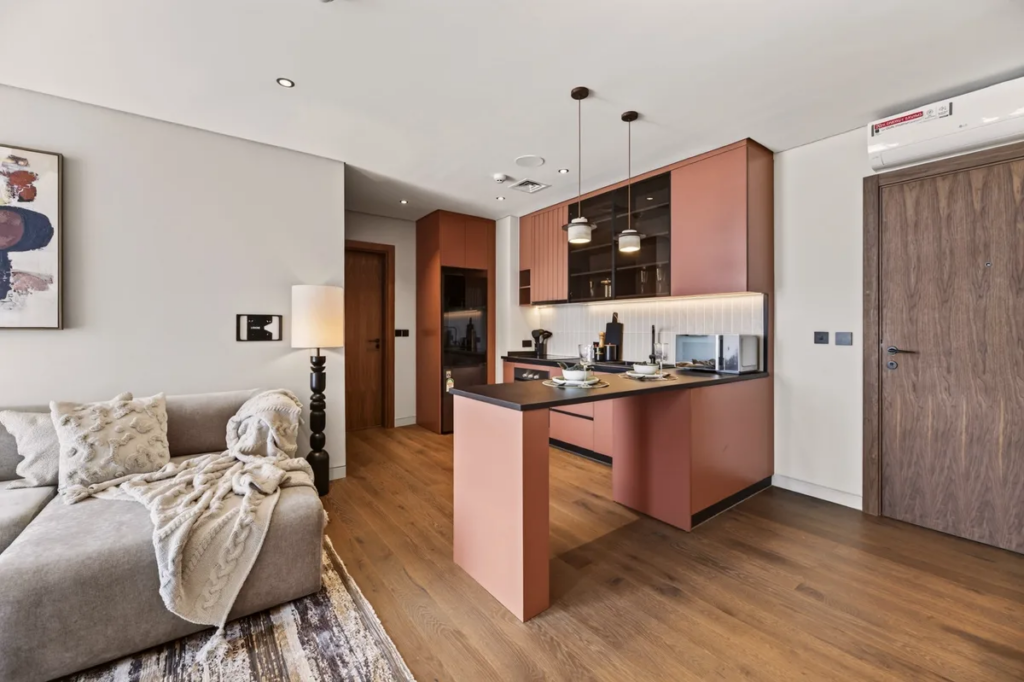
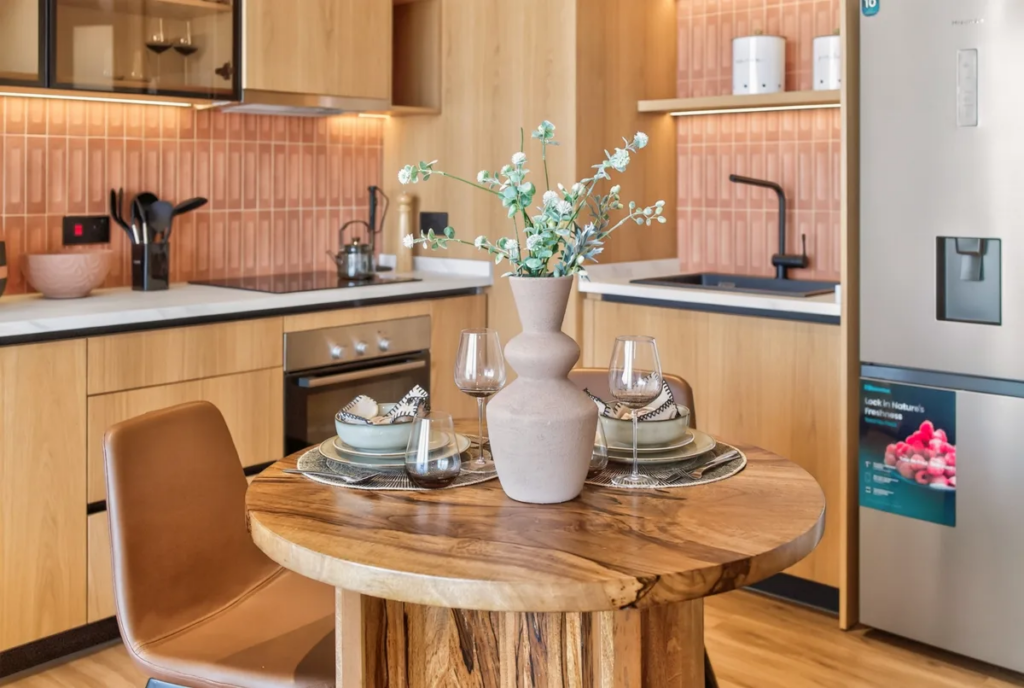
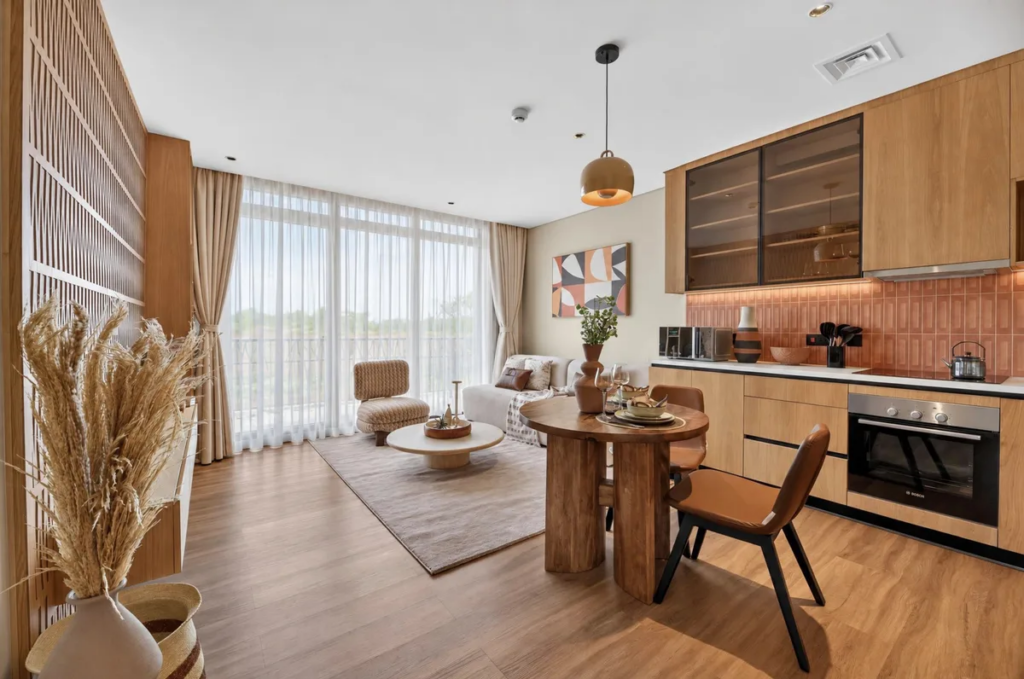
You can see this shift taking physical shape just north of the city at Tatu City, which recently unveiled the luxury showhouse for Jabali Towers—offering a first real-world look at the interiors and lifestyle anchoring its Tatu Central district.
Inside the “Vertical Village”
Stepping into the showhouse, the appeal isn’t just the sleek, contemporary finishes crafted by international design firm Spectrum; it’s the context outside the window. Rising in two towers of 25 and 36 storeys, Jabali Towers isn’t designed to be a sleepy residential block. It is built as a self-contained vertical neighborhood—blending 374 private residences with Grade A offices, restaurants, retail spaces, and a 150-room hotel.
Just steps away, the upcoming Market District is set to extend that energy into a pedestrian-only hub for shopping,dining, and nightlife. For a generation of young professionals, creatives, and returning diaspora used to the walkability of cities like London, Kigali, or Cape Town, the appeal is obvious: your Friday night dinner plans and Monday morning meetings live in the exact same postcode.
“Today’s buyers are increasingly looking beyond the four walls of an apartment,” notes Eustace Coutinho, Vice President of Sales and Strategy for Rendeavour in Kenya. “They want access to quality education, recreation,workplaces, and everyday conveniences without the challenges of long commutes.”
Padel, Coffee Trails, and an Urban Wildlife Sanctuary
What truly separates this new blueprint from traditional Nairobi real estate, however, is how effortlessly it weaves wellness and nature into a standard Tuesday.
While the towers themselves won’t rise above the construction hoarding until early 2027, the surrounding lifestyle infrastructure is already humming—with more than 35,000 people living, working, or unwinding in the city daily.Instead of fighting for treadmill space in a basement gym, residents have immediate access to padel courts, organized fitness clubs, and over 100 kilometres of nature trails winding through century-old coffee estates.
By the second quarter of 2027, that outdoor playground expands even further with the opening of the 160-acre Tatu Wildlife Sanctuary—set to become the world’s only urban wildlife sanctuary. Imagine finishing a work call, lacing up your sneakers, and jogging alongside wildlife before dinner.
Frictionless by Design
Beyond the aesthetics and green space, there is a quieter luxury at play here: predictability. Modern urban wellness is heavily tied to removing daily micro-stressors. With 99.7% power reliability powered largely by renewable energy, 24/7 potable water, and built-in high-speed fibre, the everyday friction of generator noise, water shortages, and spotty Wi-Fi simply disappears.
Add to that the arrival of Wellington College International Kenya in 2028—led by Gareth Parker-Jones, Head Master of the UK’s prestigious Rugby School—and it becomes clear why over 80% of Jabali Towers’ first phase has already been snapped up.
Shortlisted in the Masterplanning category at the World Architecture Festival 2026, Tatu City’s broader vision signals a clear evolution in how Kenyans define luxury. It’s no longer about the highest perimeter wall or the biggest compound—it’s about designing a life where everything you actually enjoy doing is right downstairs.