Every year, the month of June is dedicated to men’s mental health and creating awareness on the issue of mental health in men.
The reason that this is so important is because there has been a stigma created around men having mental issues and that makes them more vulnerable to suicide. Men are taught not to cry or deal with their problems. They have been raised to be “strong” but they are human beings who experience stress, anxiety, depression, grief and everything in between. While women are labeled as ‘emotional’, men are assumed to have none and that is not the case.
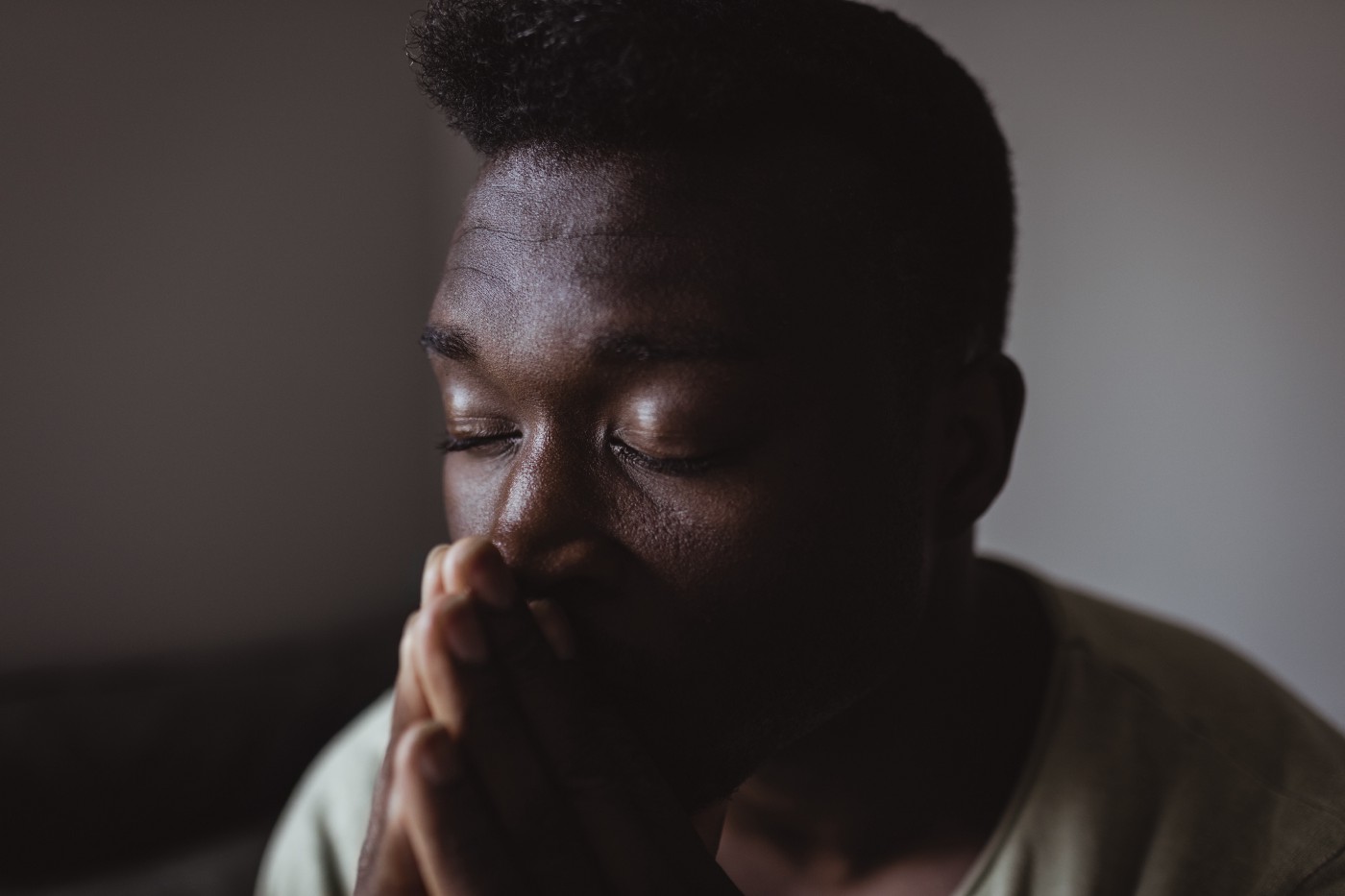
In a study ‘Why women are less likely than men to commit suicide’ by GE Murphy, we learn that while women are two times more likely to have depression than men, men are still more likely to take their own lives. That is in fact the truth, more men commit suicide than women. Why is this the case when more women are depressed?
There are a few answers. For one, women are more comfortable talking about their problems and seeking help when they need it. Furthermore, they are also more comfortable expressing emotions through healthy avenues such as crying. Men have been preconditioned from a young age to think that crying is a sign of weakness and that they cannot talk about their problems. They have had it engraved in their minds that rather than have problems, they must fix them and do this entirely on their own. As such, talking about a problem he can’t solve is difficult for him.
In Kenya, we still have a largely patriarchal society. While some men avoiding talking about their problems because of the fear that others might think they are a failure, others fear behaving ‘like a woman’. They may share their problems with their male counterparts and instead told to ‘man up’. This is because of the notion that being emotional is a trait reserved only for women. Society does not allow men to be sensitive but they are, not being able to be in tune with that part of themselves causes men to lash out.
With that said, opening up is hard for men because it involves various steps that they just find harder to go through. First, they need to acknowledge that they are facing a problem. Then, they must admit that it is a problem for them and finally figure out what they will do about it. Nagging a male partner to talk to you about his problems will never bring him around unless you understand that he must go through these stages all by himself. After, the solution may entail seeking advice either from someone they trust or a therapist. This does not mean you cannot show your continued support.

Kenya’s patriarchal society and gender norms require men to provide for their families, which places a lot of stress on them. They also leave their homes to come to urbanized areas in pursuit of wealth, leaving behind their families which is also hard for them. As a result, men tend to have a lower life satisfaction than women do.
Men are also more likely to engage in acts of escapism instead of dealing with their problems in a healthy manner. More men get addicted to drugs and alcohol which have a further impact on their mental wellness. This stems from the fact that men haven’t been taught about how to deal with the negative emotions they face. That is also why men get more aggravated by the symptoms that depression causes. In men, the symptoms manifest more in irritability and aggression. To some extent, they suffer the symptoms of depression in a way more self-destructive manner than women do.
Unfortunately, when men result to suicide as their last resort, they tend to use more violent methods than women. This means the likelihood of their suicide being an ‘attempt’ is much lower and the decision tends to be very final. The most commonly documented methods in Africa are hanging and pesticide poisoning.
Mental illness in men also has an impact on women and other people in the society. For example, domestic violence, drug addictions and pedophilia among others. This is a ‘we’ problem.
Men are less likely to pursue treatment for mental illness such as going to therapy. As such, it is paramount that we as a society create a space for men to feel like they can seek help when they need it, be aware of mental wellness and how to achieve it.
Share this with anyone who may need to see it and be sure to check on the men in your life this month.