NAIROBI, Kenya May 4 – Kenya‘s rate of growth slowed last year but the economy is set for a “resilient” performance in 2023 despite being buffeted by high inflation and interest rates, the statistics office said Wednesday.
Gross domestic product expanded by 4.8 percent in 2022 compared with 7.6 percent the year before, the Kenya National Bureau of Statistics said in its 2023 economic review.
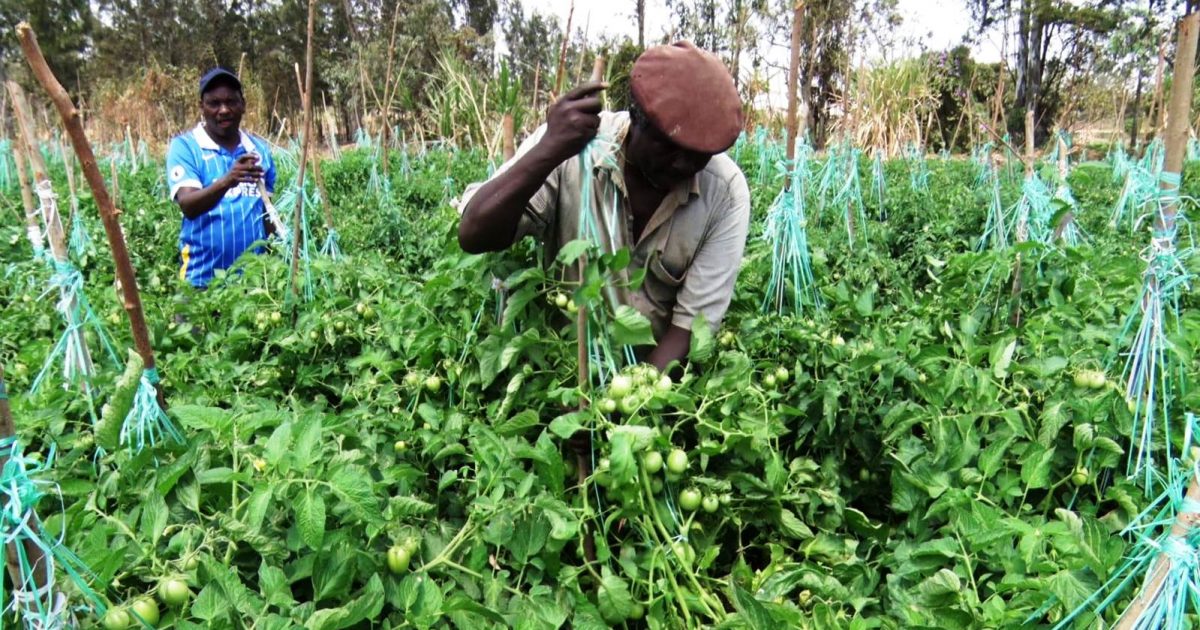
The vital agriculture sector — which accounts for just over a fifth of GDP — contracted by 1.6 percent last year, it said, as the worst drought to hit the Horn of Africa in four decades severely affected production, particularly maize and tea.
Tourism however recorded an improved performance in 2022 as visitor arrivals jumped to 1.54 million although remaining below levels before the Covid-19 pandemic, it said.
“Despite the weak global growth outlook, Kenya‘s economy is expected to remain resilient in 2023, supported by a robust performance in the services sector and expected recovery in agriculture,” the report said.
“On the downside, the 2023 growth will be hampered by a decline in domestic demand as a result of elevated inflation and sustained high interest rates,” it added.
The survey also said the weakening of the Kenyan shilling, which has been trading at record lows against the US dollar, is likely to make imports expensive and slow trade with the rest of the world.
Kenya is also struggling with a massive debt amounting to about nine trillion shillings (around $70 billion), according to central bank figures.
Inflation was running at 9.9 percent in March, according to the central bank, largely caused by rising food and fuel prices.
Kenya‘s cost-of-living crisis has triggered protest action by the opposition which accuses President William Ruto’s government of failing to act to bring down prices for basic goods.