NAIROBI, Kenya, June 24 – The Attorney-General has asked the High Court to dismiss a petition challenging the procurement process for the modernization and expansion of Jomo Kenyatta International Airport (JKIA), arguing that the case was filed prematurely and outside the legal mechanisms established for procurement disputes.
In submissions before the Constitutional and Human Rights Division, the State Law Office said the Consumer Federation of Kenya (COFEK) moved to court without first exhausting remedies available under procurement and access-to-information laws.
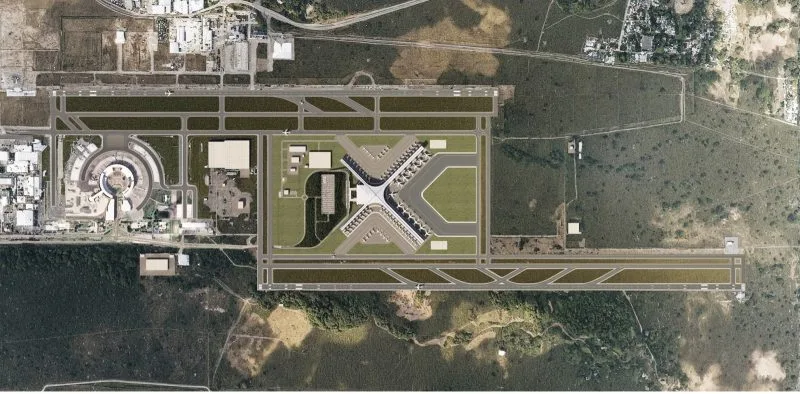
The dispute revolves around Tender No. SDAAD/OT/001/2025-2026, an international procurement process launched by the State Department for Aviation and Aerospace Development for the planned expansion and modernization of JKIA.
The tender attracted public attention following media reports alleging that the government had awarded the multi-billion-shilling project to the China Communications Construction Company. The reports triggered concerns over transparency, financing arrangements, and compliance with procurement regulations, prompting COFEK to seek court intervention.
The government, however, maintains that no contract has been awarded and that the procurement process is still ongoing.
According to the Attorney-General, COFEK’s petition is largely based on media reports rather than information obtained through formal legal channels.
“Speculation and conjecture cannot be a basis for mounting a constitutional claim,” the State argued, adding that the petitioner should have first sought clarification from relevant government agencies.
The Attorney-General further contends that institutions such as the Public Procurement Regulatory Authority, the Public Procurement Administrative Review Board and the Commission on Administrative Justice have statutory mandates to address procurement and information-access disputes before they reach the courts.
The State argues that bypassing these bodies violates the doctrine of exhaustion, which requires litigants to first pursue remedies through specialized institutions established by law.
It has also invoked the doctrine of ripeness, arguing that the procurement process has not reached a stage that warrants judicial intervention.
Court filings indicate that the tender remains subject to several stages, including evaluation, contracting and contract management, with safeguards in place to ensure transparency, accountability and value for money.
The government further warned that halting the process at this stage could interfere with executive functions and undermine institutions tasked with overseeing public procurement.
While COFEK has cited concerns over transparency and public accountability, the Attorney-General insists the court should refrain from intervening until the procurement process is concluded and all available statutory remedies have been exhausted.
If the preliminary objection succeeds, the High Court could dismiss the petition without hearing the substantive claims challenging the JKIA procurement process.