NAIROBI, Kenya, Aug 24 – Healthcare stakeholders and patient advocates have called for stronger collaboration to improve access to eye-care services for people living with diabetes, amid concerns over rising cases of diabetes-related eye complications.
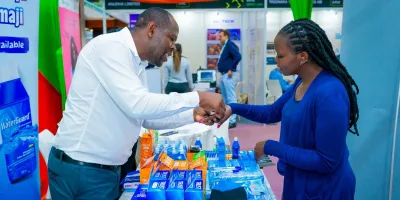
Healthcare experts, policymakers, eye-care specialists, industry representatives and the media made the call during an event hosted by Bayer, which focused on retinal diseases, early diagnosis and barriers to accessing eye care.
Data from the International Diabetes Federation shows that more than 813,000 adults are living with diabetes in Kenya, with more than half of the cases undiagnosed.
Experts said regular screening and proper management of diabetes are critical in preventing vision loss, particularly diabetic retinopathy, which is estimated to affect up to 41 per cent of Kenyan adults living with diabetes.
Research in Kenya shows that more than 80 per cent of blindness is caused by preventable or curable conditions, while about 7.5 million people require quality eye-care services.
Despite advances in retinal care that have improved outcomes for many patients, the high cost of managing diabetes remains a major barrier to treatment.
A 2020 study on the cost of diabetes care in public health facilities in Kenya found that the proportion of patients facing catastrophic healthcare spending rose from 63.1 per cent to 75.4 per cent when transport costs were included.
Experts also cited limited access to specialist services, long travel distances and interruptions in follow-up care as barriers to timely diagnosis and continued treatment across Sub-Saharan Africa.
Jack Kileba, Medical Governance and Excellence Lead at Bayer for Sub-Saharan Africa, called for greater collaboration among the government, healthcare professionals, patient organisations, researchers and industry to address the barriers.
“Protecting vision is essential to preserving quality of life, independence, and wellbeing. Improving access to care requires continued collaboration across the healthcare ecosystem to ensure that patients can receive the support they need throughout their treatment journey,” Kileba said.
Participants also called for greater public awareness of retinal diseases, earlier diagnosis and stronger referral and treatment systems.
Saida Adan, a representative of Axios International, said stronger partnerships could help improve care for patients with retinal diseases.
“Meaningful progress happens when stakeholders work together to improve patient care. Strengthening partnerships across the healthcare ecosystem can help address barriers to access and contribute to better outcomes for patients living with retinal disease,” Adan said.