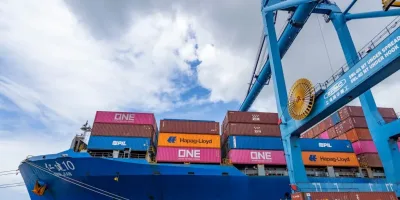
NAIROBI, March 19 (Xinhua) — A rise in attacks on ships along the Red Sea route by terror groups has disrupted the export of Kenyan tea to key markets in Europe and North Africa, the Tea Board of Kenya (TBK) said on Wednesday.
The TBK said in a report released in Nairobi, the capital of Kenya, that the attacks have created market access challenges to the East African country’s tea exports, forcing ships to take longer routes.
“Attacks on vessels along the Red Sea shipping route has prompted several shipping lines to suspend their operations through the route and revert to using the southern tip of Africa, an alternative trans-shipment route, whose shipment duration is much longer and costs more from the Port of Mombasa,” the TBK said.
Kenya’s tea exports in 2024 stood at 181.6 billion shillings (about 1.4 billion U.S. dollars), a slight increase from 1.39 billion dollars in 2023.
The TBK attributed the slow growth in exports partly to the disruption caused by the terror attacks and the ongoing war in some major markets, including Sudan.
Pakistan, Sudan, Egypt, Britain and Yemen are some of the markets that recorded a decline in tea imports from Kenya in 2024.
The KTB said it is consolidating and expanding Kenya’s tea markets through trade missions to countries such as the United Arab Emirates, Iran, Turkey, Ghana, Germany and China.