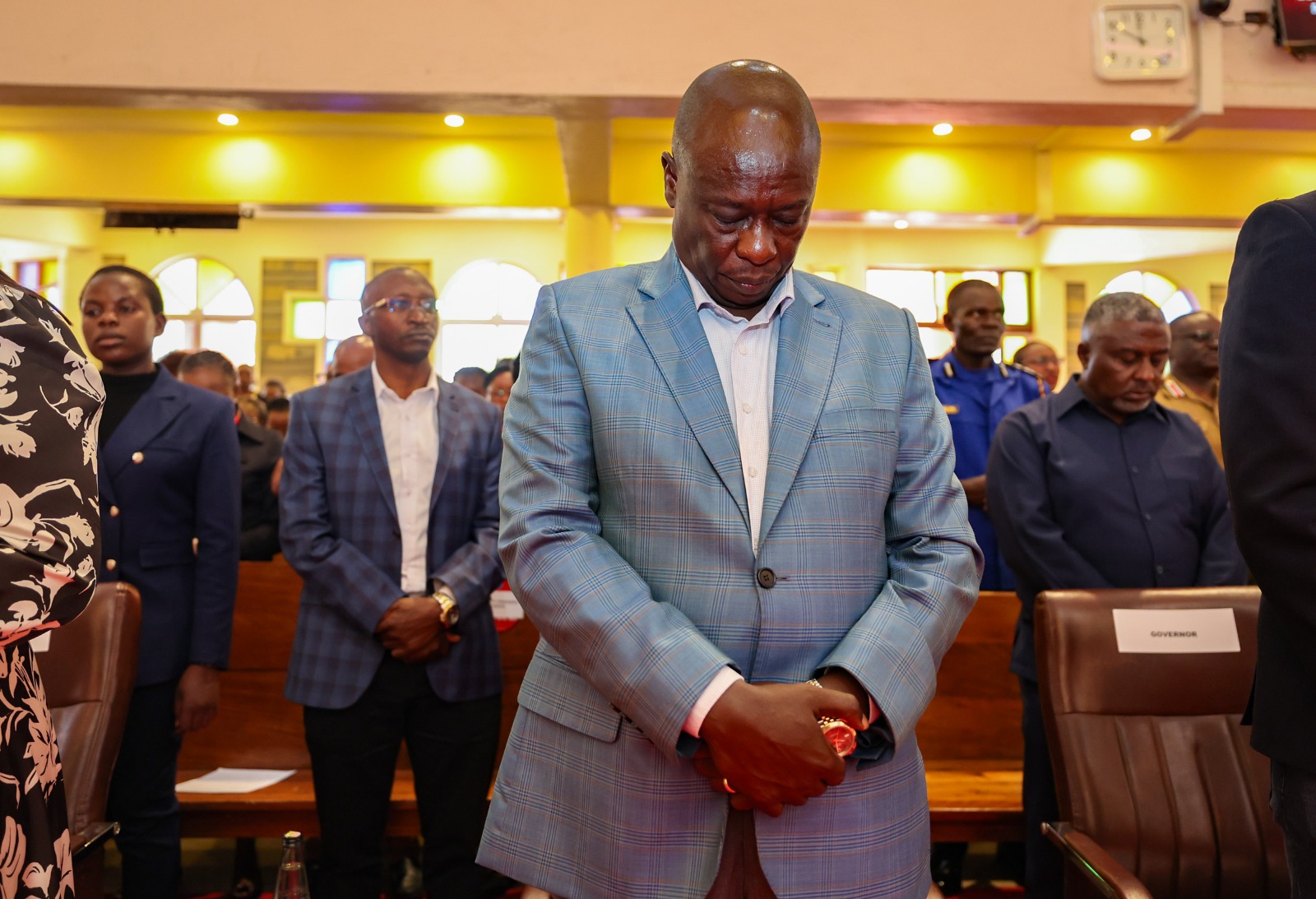
NAIROBI, Kenya May 21 – Former Deputy President Rigathi Gachagua could face unspecified action after the National Cohesion and Integration Commission vowed to hold him accountable for his remarks, in which he referred to the 2007/2008 post-election violence as a ‘Christmas Party’.
NCIC chairperson Samuel Kobia said the former Deputy President’s comments were dangerously insensitive and a serious threat to national unity, warning other leaders who have made similar utterances that they too will face consequences.
“Let it be made clear: there is nothing festive about the deaths, displacement, and devastation that marked that period, to trivialize such a profound national tragedy is to dishonour the memory of the victims and the resilience of the survivors. such rhetoric weakens the progress made towards healing, reconciliation and peace-building,” NCIC stated.
Former Deputy President Gachagua on May 19 clarified that his 2007 post-poll violence remark was not incitement but a caution to the Independent Electoral and Boundaries Commission (IEBC).
Speaking during a press conference at his Karen home, Gachagua indicated that his remarks were meant to spur the electoral body to deliver credible 2027 elections.
“About my statement on the post-election violence, this was a precautionary statement and not incitement. It is based on historical facts and past electoral experiences of 1992, 1997 and 2007 controversial elections that we must have a free and fair election in 2027,” he stated.
The Ex-DP also dared the Directorate of Criminal Investigations (DCI) to arrest him at his Wamunyoro home if he is accused of any wrongdoing ‘punishable by law.’
While stating that he has not received any summons so far, Gachagua stated that he will not be cowed or intimidated by the use of the criminal justice system.
“If the government knows that I have committed a crime known under the laws of Kenya and identified within the Penal Code, they know where my home is…and, I am here, they know my Wamunyoro home,” he said.
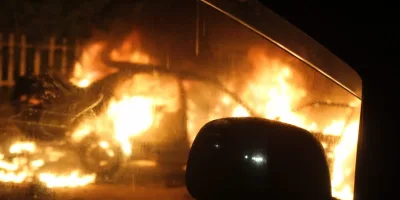
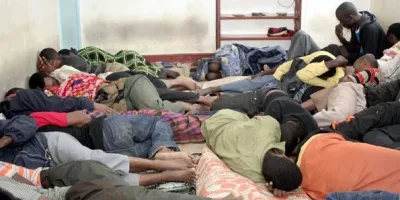
The post-election violence of January 2008, which left over 1,300 dead and some 350,000 displaced, began after the defunct Elections Commission of Kenya declared President Mwai Kibaki had been reelected which the opposition candidate Raila Odinga rejected and claimed he had been rigged out of a win.
Individuals and groups allied to both PNU and ODM respectively, as well as the security services, were accused of committing crimes against humanity and the International Criminal Court (ICC) indicted six individuals including retired President Uhuru Kenyatta and his Deputy William Ruto, Head of Civil Service Francis Muthaura, former Police Commissioner Hussein Ali and four others. The cases against Ruto and Kenyatta were ultimately suspended due to what the court said was witness interference.
By Phineas Munene