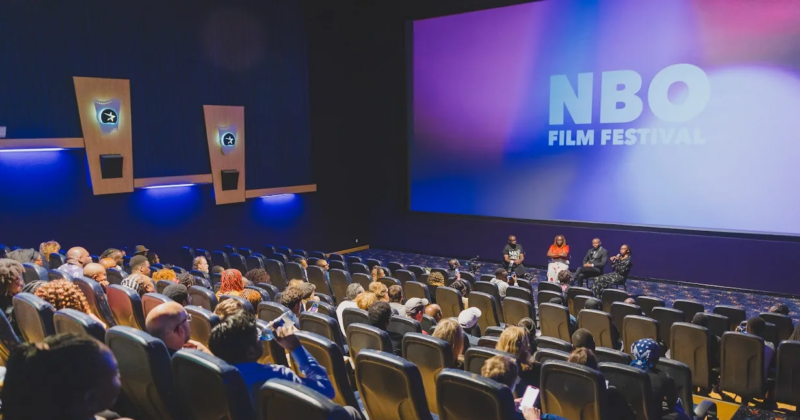
The 2026 NBO Film Festival concluded 10 days of celebrating cinema across multiple venues in Nairobi with its closing and awards ceremony on Sunday, 25th October 2026, at Prestige Cinema, Nairobi, where the 2026 award winners were announced. Rwandan feature film Ben’Imana, documentary The Women Who Poked the Leopard and short filmGod Sleeps on Sunday took top honours in their respective categories.
The festival also posthumously honoured Yahya Chavanga, a location manager, assistant director and actor whose work helped shape more than three decades of East African film production, with the2026 Vanguard Prize. In addition, six industry awards recognised four film projects through the NBO Project Showcase, supporting work across development, production, post-production and distribution.

Held under the theme Cinema for Us, the seventh edition of NBO Film Festival introduced three dedicated juried competitions, including the inaugural Nick Wambugu Documentary Award, and presented its first filmmaker retrospective, dedicated to acclaimed Senegalese filmmaker Alain Gomis. A programme of 53 films, a new screening venue in downtown Nairobi and an expanded three-day industry programme created more opportunities for audiences to engage with African cinema and for filmmakers to develop their work.
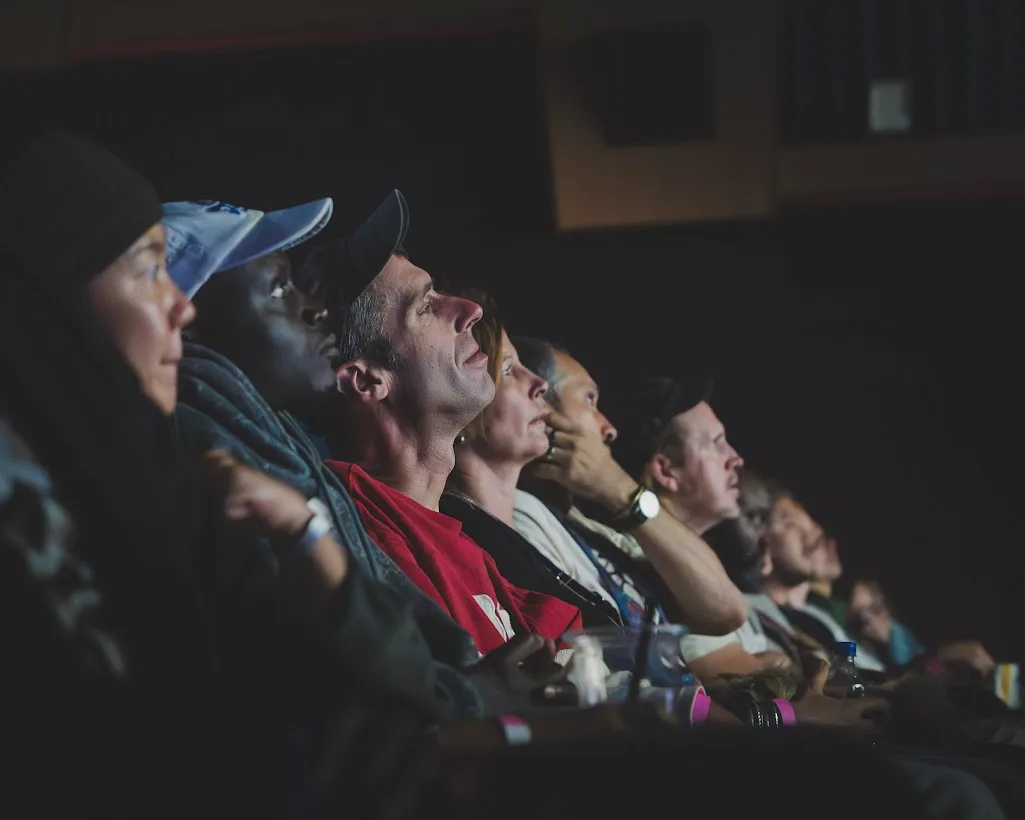
“Cinema for Us means giving African films a place in our public life, where audiences can see themselves on screen,”says Mbithi Masya, Co-Founder and Artistic Director of NBO Film Festival. “This year, we have created more ways to do that, while helping filmmakers develop the work that audiences will see next. We’re proud of the winners and grateful to everyone who made this edition possible.”
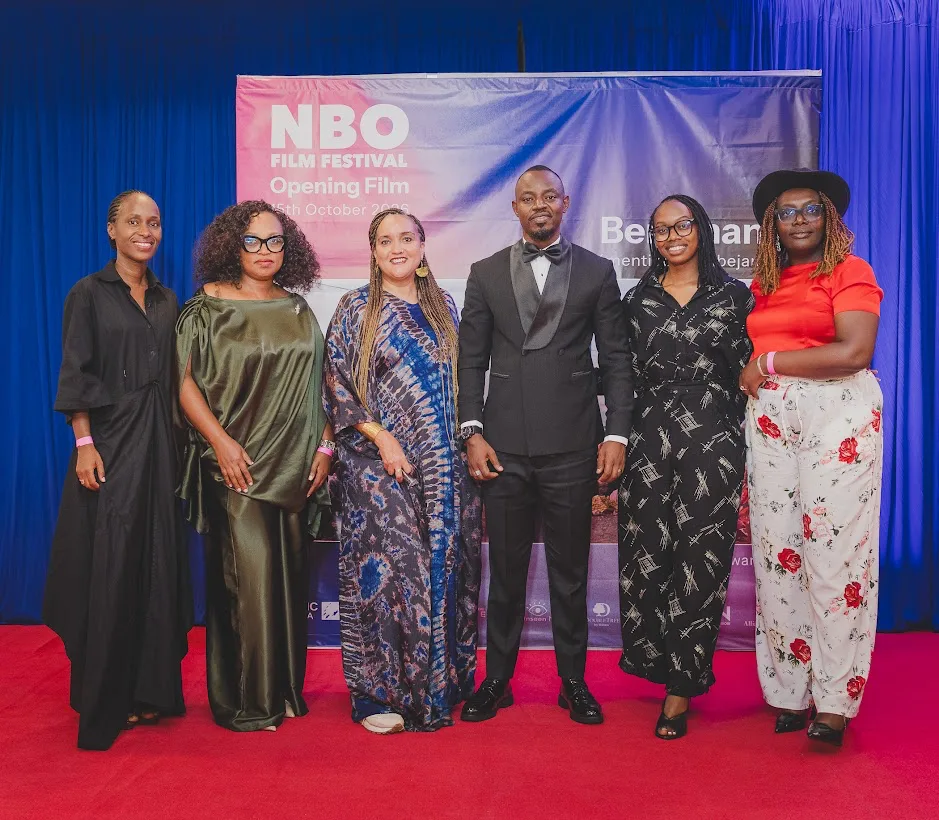
Ben’Imana, directed by Marie-Clémentine Dusabejambo, received the Fiction Feature Jury Prize. The jury described the film as “a revelation and a triumph”, praising its nuanced and morally complex exploration of the legacy of the genocide against the Tutsi. The citation highlighted the film’s questions about memory, history, healing and the difficulty of demanding forgiveness from others while being unable to forgive oneself. The jury shared: “This is cinema at its purest… cinema for us!”
A Special Commendation went to Lady, directed by Olive Nwosu, for its exceptional artistic risk-taking and singular vision. The jury described it as “a very ambitious, bold, and explosive film.”
The inaugural Nick Wambugu Documentary Award went to The Women Who Poked the Leopard, directed by Patience Nitumwesiga. The new award honours the life and work of the late Kenyan documentary filmmaker Nick Wambugu. The jury praised the film for reflecting the region’s current realities through a bold, unrelenting character confronted with impossible choices. “It captures the complexity of our times — the anger and the cost of the bill that’s due for the rest of our lives,” the jury said.
A Special Mention went to Crocodile, directed by The Critics and Pietra Brettkelly. The jury recognised the filmmakers’ audacity and independent voice as they defined themselves in a world that does not give them space to do so. “We saw ourselves in it,” the jury said.
God Sleeps on Sunday, directed by Naishe Nyamubaya, won the Short Film Jury Prize. The film follows a young evangelical pastor determined to build a church on land occupied by a traditional herbalist. The jury praised its layered storytelling and exploration of opposing beliefs. The jury shared: “What we particularly loved was how firmly these oppositional forces were committed to their truths. As Africans, we live with these tensions every day,”.
The jury unanimously awarded a Special Mention to The Big Sad Nairobi 2, directed by Gift Kyansimire Oroni, describing it as “ambitious, wonderfully chaotic and full of imagination”. The citation celebrated the possibilities of animation in Kenya and its potential to bring local stories, humour and experiences to life in unconventional ways.
The 2026 Vanguard Prize was awarded posthumously to Yahya Chavanga, a location manager, assistant director and actor whose work helped shape more than three decades of East African film production. The prize recognises trailblazers whose leadership, innovation and dedication have advanced African film and television. In honouring Chavanga, NBO Film Festival recognised the essential contribution of those working behind the scenes to bring films to life and help build the industry.
Six industry awards recognised four projects, supporting work across development, production, post-production and distribution. Tithes and Offerings, written and directed by Tony Koros and produced by Tony Kamau and Louise Kamwangi, received three awards.
- Africa Post Office Post Production Award: Second Term, a documentary directed by Joan Njeri and Karanja Ng’endo, and produced by Joan Njeri.
- Bigger Motion Distribution Award — Non-Fiction: Amebakisha, a documentary directed by Valentine Zikki and produced by Eddah Kiruhi.
- Bigger Motion Distribution Award — Fiction: Tithes and Offerings, a fiction feature written and directed by Tony Koros, and produced by Tony Kamau and Louise Kamwangi.
- Same But Different Development Award: Tithes and Offerings, written and directed by Tony Koros, and produced by Tony Kamau and Louise Kamwangi.
- NBO Film Festival Development Award: The One with the Tempered Flower, a documentary directed by Neema Ngelime and produced by Ivy Kiru.
- Kenya Grips and Sparks Production Award: Tithes and Offerings, written and directed by Tony Koros, and produced by Tony Kamau and Louise Kamwangi.
The festival’s first filmmaker retrospective brought the work of acclaimed Senegalese filmmaker Alain Gomis to Nairobi audiences, with support from EUNIC (European Union National Institutes for Culture). Gomis attended the festival and delivered a masterclass, giving filmmakers an opportunity to engage directly with his artistic approach and filmmaking process. The retrospective featuredFélicité, Rewind & Play, Tey, L’Afrance and Andalucia.
NBO Industry Days, held from 21 to 23 October, expanded the festival’s support for filmmaking through the NBO Project Showcase, masterclasses and professional exchanges. The programme addressed practical questions around financing, distribution, the festival circuit, safer sets and intimacy coordination, and the future of post-production.
Together, the new competitions, filmmaker retrospective and expanded industry programme advanced NBO Film Festival’s commitment to building a cinema culture in which African films are seen, discussed and valued by audiences at home. The festival extends its thanks to the filmmakers, juries, partners, audiences, staff and volunteers who made the 2026 edition possible.