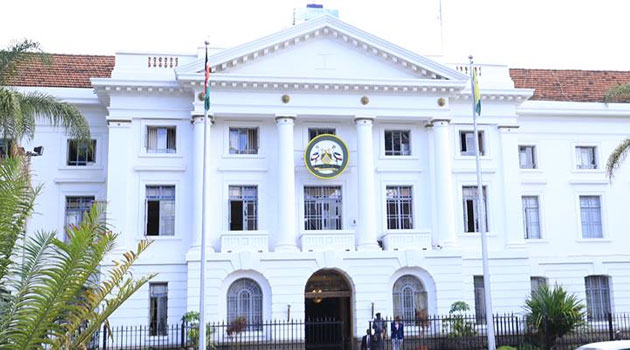
NAIROBI, Kenya Apr 10 – A Nairobi resident, Robert Leroy Ochieng, has filed a constitutional challenge against what he describes as illegal parking by Members of the County Assembly and other officials along key city streets, including City Hall Way, Mama Ngina Street, and Wabera Street.
Ochieng argues that the practice of parking on pedestrian walkways and designated spaces for persons with disabilities violates constitutional rights and has become widespread due to alleged inaction by the Nairobi City County Government.
In his written submissions, Ochieng claims that the conduct infringes multiple constitutional provisions, including Articles 10, 27, 28, 39, 46, 54, 73, 75, and 174, which relate to governance, equality, dignity, accessibility, and public participation.
He argues that the persistent parking on footpaths has resulted in severe traffic congestion, obstruction of pedestrian movement, and unsafe conditions for road users, particularly persons with disabilities.
Ochieng further claims that despite formal complaints and documented evidence of repeated violations, the county government has failed to enforce parking and traffic regulations.
In response, the Nairobi City County Government and the County Assembly argued that the matter does not raise a constitutional question and urged the court to apply the doctrine of constitutional avoidance, which directs courts to avoid constitutional issues where alternative legal remedies exist.
However, Ochieng maintains that the case involves clear constitutional breaches that cannot be addressed through ordinary administrative or statutory channels.
Ochieng alleges that the conduct of County Assembly officials amounts to discrimination and abuse of office, denying ordinary citizens and persons with disabilities equal protection under the law.
He argues that the county’s failure to act effectively legitimizes unlawful behavior, undermines the rule of law, and endangers public safety.
He also cites previous court decisions holding that selective enforcement of laws by state agencies can amount to a constitutional violation.
The petitioner is seeking declaratory, injunctive, and supervisory orders compelling the county government and County Assembly to enforce parking regulations, protect pedestrian pathways, and ensure accessibility for persons with disabilities.
Ochieng insists that the issues raised are systemic and ongoing, and therefore fall squarely within constitutional jurisdiction.