NAIROBI, Kenya, Nov 13 – A conservation ranger whose work has helped secure the return of endangered eastern black rhinos to Kenya’s Laikipia landscape has won international recognition for his contribution to wildlife protection.
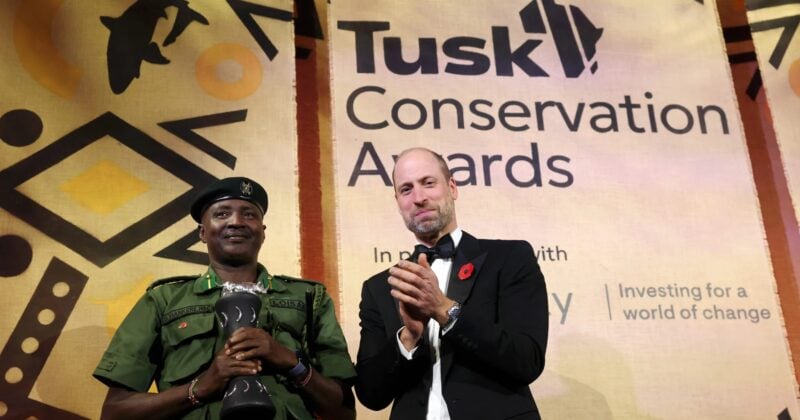
Daniel Yiankere, Security Manager at Loisaba Conservancy, received the 2026 Tusk Wildlife Ranger Award from the Prince of Wales, Prince William, during a ceremony in London on Thursday.
The award recognises Yiankere’s more than 30 years of frontline conservation experience and his role in strengthening wildlife protection at Loisaba, where security measures have helped create conditions for the recovery of eastern black rhinos.
Under his leadership, the conservancy has recorded no poaching incidents since 2017, providing a secure environment for endangered wildlife.
One of the major milestones in his conservation work was the return of 21 critically endangered eastern black rhinos to Loisaba in 2024, following years of preparation and security planning.
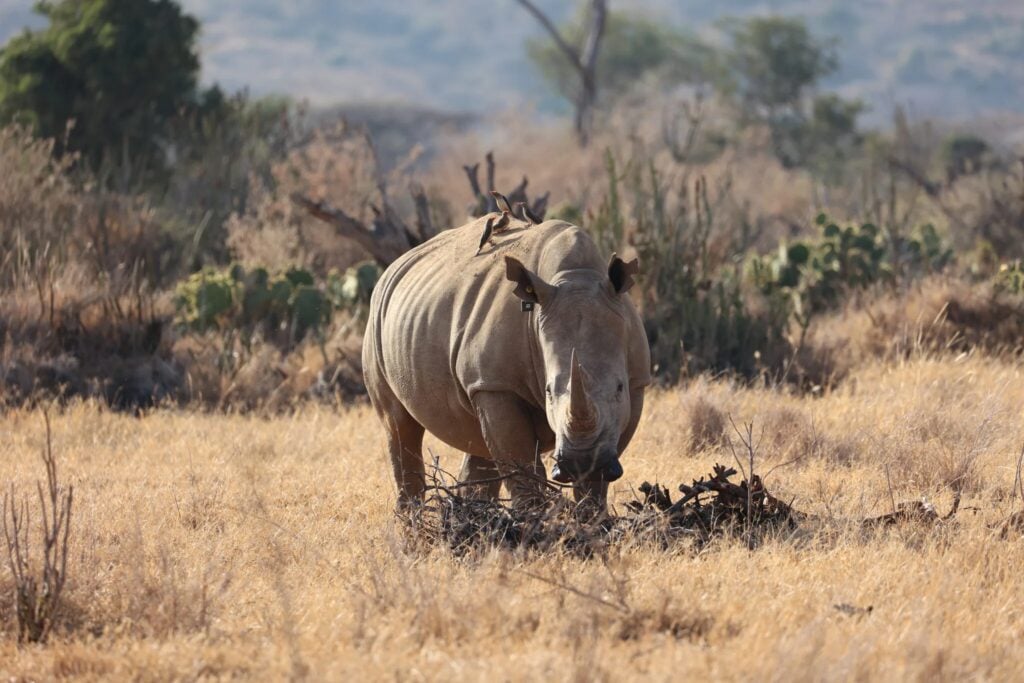
The population has since grown to 28, with seven calves born, marking progress in efforts to restore the species to the Laikipia landscape.
Yiankere, who began his career with the Kenya Wildlife Service (KWS), currently leads more than 100 security and wildlife monitoring personnel responsible for protecting wildlife across the conservancy.
His work is also extending beyond Loisaba, with neighbouring Koija communities expressing interest in exploring the possibility of expanding rhino habitat onto community-owned land.
The discussions could open a new chapter in community-led conservation by creating additional space for the endangered species while involving local residents in decisions about wildlife protection and land management.
Speaking after receiving the award, Yiankere said the recognition reflected the collective commitment of rangers, conservation organisations and neighbouring communities.
“After over two decades as a ranger, it means a great deal to see my work recognised. I share this award with our team at Loisaba, the Kenya Wildlife Service and neighbouring communities,” he said.
“Bringing black rhinos back took years of preparation, and seeing nine calves born makes that work feel worthwhile. I’m grateful to Tusk for recognising the people behind that achievement, especially the rangers who patrol and monitor the rhinos every day.”
He said the award would bring additional support to frontline conservation teams and ongoing efforts to work with Koija residents on the potential expansion of rhino habitat.
The Tusk Wildlife Ranger Award is sponsored by the Nick Maughan Family Foundation, with Loisaba Conservancy’s organisation set to receive £50,000 over three years to support its conservation work.
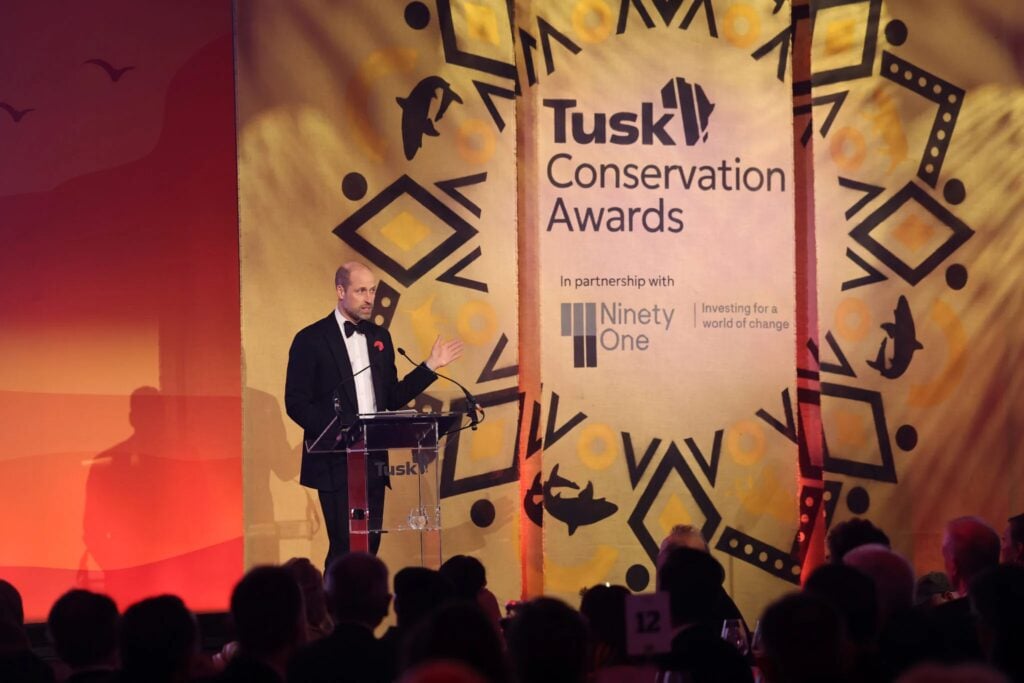
Prince William, who presented the awards, said conservationists working to protect wildlife and natural habitats deserved continued support, particularly as climate change increasingly affects communities on the frontlines of environmental protection.
“It is critical that we continue to support the vital work being spotlighted here this evening. We cannot forget that those who are among the most impacted by our changing climate are also at the forefront of protecting it,” he said.
Yiankere was among three conservationists honoured at the 2026 awards, which recognise individuals making significant contributions to protecting Africa’s wildlife and natural heritage.