NAIROBI, Kenya Jun 23 – A new report has lifted the lid on how Kenya loses hundreds of billions of shillings annually—not during construction, but long before ground is ever broken.
According to findings by Transparency International Kenya and Transparency International Australia, corruption is deeply embedded in the earliest phases of infrastructure planning, where politically connected projects are quietly pushed through opaque approval systems.
At the heart of the problem is what researchers describe as the “lock-in effect”—a process in which unviable mega-projects are inserted into the national budget without adequate feasibility studies or public scrutiny. Once approved, these projects gain institutional backing that makes them nearly impossible to reverse.
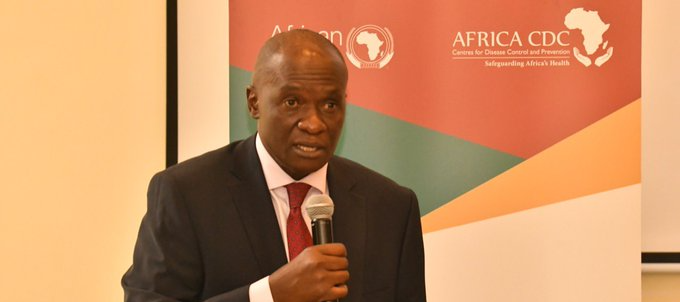
“This is where the real loss happens,” said TI-Kenya Executive Director Sheila Masinde. “If we want to stop the multi-billion shilling bleeding of public resources, we must change where we look.”
Using the Infrastructure Corruption Risk Assessment Tool (ICRAT), the study analysed several flagship projects across different administrations, exposing patterns of secrecy, political interference, and weak oversight.
The Standard Gauge Railway emerged as one of the highest-risk projects, weighed down by opaque financing arrangements and legal challenges over procurement irregularities.
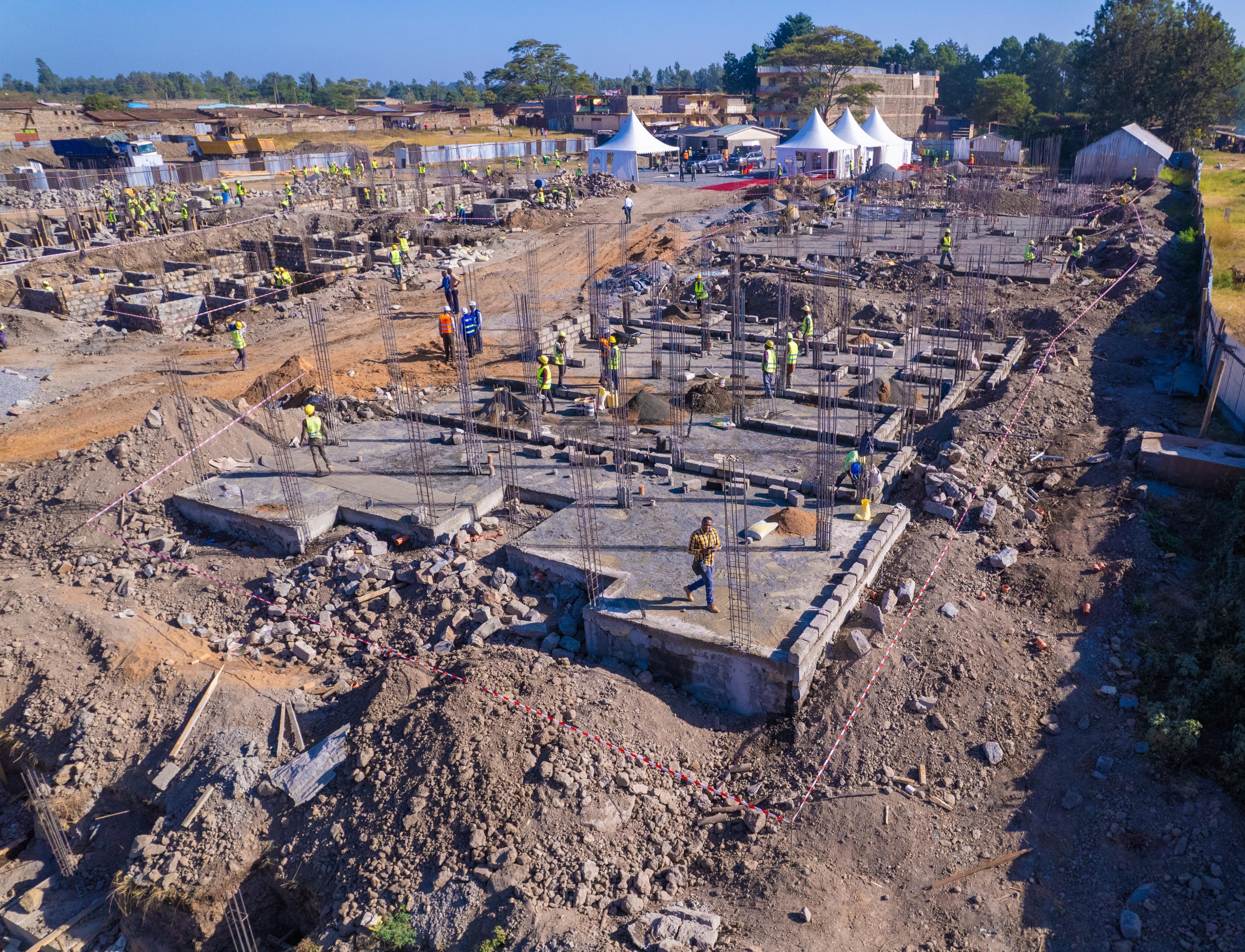
Meanwhile, the Vihiga Affordable Housing Project advanced without essential impact assessments, while the Kiambu Civil Servants Housing Scheme delivered less than ten percent of its targets amid procurement conflicts and financial inconsistencies.
The report also flags widespread abuse of Privately Initiated Proposals, describing them as a growing loophole used to sidestep competitive bidding laws. This practice, researchers warn, has allowed massive infrastructure deals to be single-sourced, raising concerns over value for money and transparency.
With 37 active Public-Private Partnership projects currently in the pipeline, the report warns that without urgent reforms, Kenya risks entrenching a system where public funds are effectively committed before accountability mechanisms can take effect.