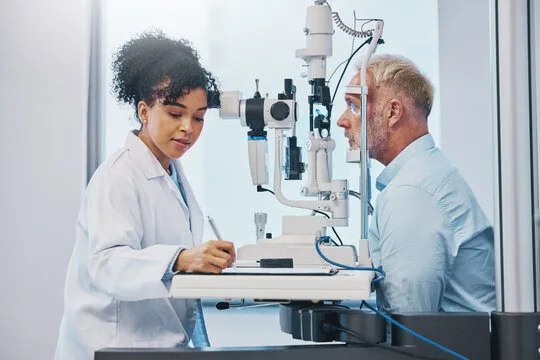
NAIROBI, Kenya, Aug 21 – Optical benefits utilization is reaching record highs as changing consumer health behaviors, an aging population, and a heavily digitized modern lifestyle drive unprecedented demand for eye care services.
Historically treated as a minor insurance add-on, vision care has transformed into a foundational element of proactive personal wellness, according to recent insurance industry data.
Individuals are increasingly maximizing their managed vision plans to catch early signs of chronic illnesses and to counter the physical toll of continuous daily device usage.
A central driver behind this surge in optical visits is the inescapable reality of modern device immersion. Recent data from the Eyesafe World Screen Health Report indicates that the average adult now clocks more than 6 hours and 40 minutes of daily screen time, with working professionals frequently logging upwards of 7 to 13 hours.
This dramatic lifestyle shift has triggered a global spike in digital eye strain (DES)—also known as computer vision syndrome—which now impacts an estimated 69 percent of adults.

“Prolonged exposure to smartphones, tablets, and computers results in blurred vision, dried eyes and persistent headaches—forcing individuals to seek out clinical optical interventions,” says Belinda Kubania, Head of Medical Business at First Assurance. “Furthermore, the “screen-time effect” is accelerating long-term visual complications.”
Indeed, clinical evaluations tie extensive close-range screen habits to a rapid progression of myopia (nearsightedness), driving a wave of new patients into optometry clinics. The rising numbers also point to an underlying shift in how people view vision health.
According to the Transitions Workplace Wellness Survey, 67 percent of modern consumers pursue annual eye exams specifically for the early identification of asymptomatic eye conditions like glaucoma, cataracts, and macular degeneration.
Crucially, consumers are waking up to the reality that an optical visit is a window into systemic health. Roughly 42 percent of survey respondents noted they leverage their comprehensive vision exams to scan for biometric markers linked to high blood pressure, diabetes, or cardiovascular issues.
This evolution from reactive treatment to proactive prevention means patients are visiting their optometrist regularly, rather than waiting for their vision to fail.
Responding to this paradigm shift, prominent insurers are redesigning medical packages to keep pace with changing consumer demands. Companies like First Assurance are actively stepping in to address the optical utilization surge by introducing more flexible, comprehensive health policies.
By eliminating complex onboarding processes and waiving rigid waiting periods, the insurer is streamlining how patients access routine care.
This corporate pivot to proactive, preventive optical coverage ensures that a highly digitized workforce can counter screen fatigue without facing severe out-of-pocket financial strain.