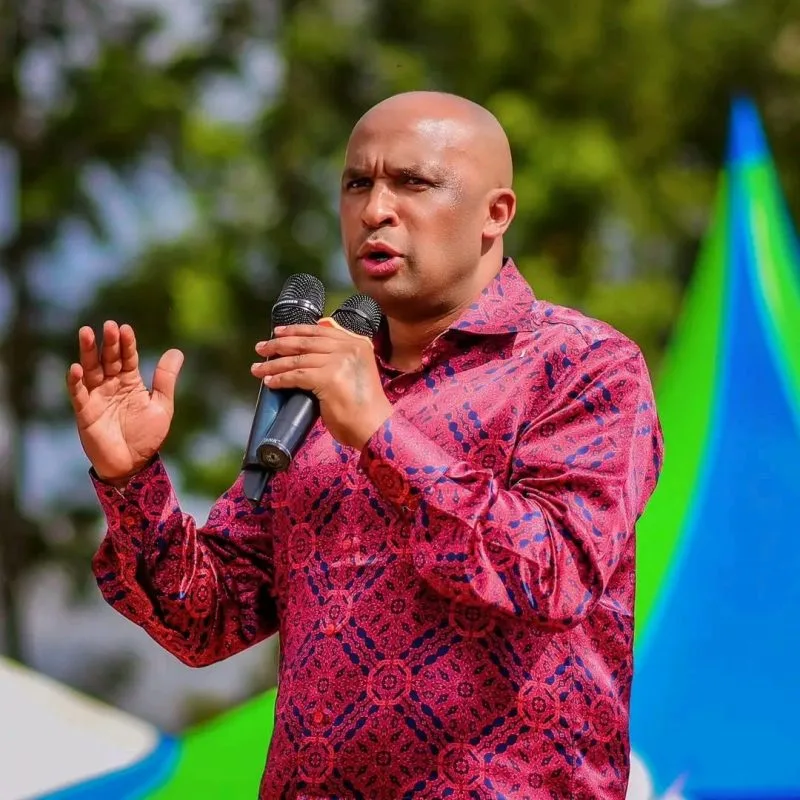
NAIROBI, Kenya Jul 6 – The Independent Electoral and Boundaries Commission has deferred the scheduled judgment in the electoral code case against Kipipiri Member of Parliament Wanjiku Muhia, days after rejecting a challenge against its jurisdiction.
The Electoral Code of Conduct Enforcement Committee had been expected to deliver its ruling today at 10:00 a.m.
However, through an official notice issued by its information desk, the commission announced that the judgment had been postponed to a later date that will be communicated in due course.
“The Independent Electoral and Boundaries Commission (IEBC), through its Electoral Code of Conduct Enforcement Committee, has deferred the judgment reading in the matter involving Hon. Wanjiku Muhia, Member of the National Assembly for Kipipiri Constituency, to a later date to be communicated in due course,” the statement read.
The postponement comes shortly after the committee dismissed a preliminary objection filed by Muhia’s legal team challenging the legality and constitution of the panel hearing the matter.
The defense argued that the committee lacked the proper legal mandate to preside over the case and questioned whether it had been lawfully constituted under Kenya’s electoral laws.
However, the committee rejected the objection and maintained that it was properly established and legally empowered to oversee compliance with the Electoral Code of Conduct.
Following the dismissal of the jurisdiction challenge, Muhia’s lawyers staged a walkout from the proceedings in protest and signaled plans to escalate the dispute to the High Court.
The dramatic turn of events added fresh tension to a case that has continued to attract political and legal attention.
The matter stems from allegations that the legislator made inflammatory remarks during a political campaign rally in Ol Kalou Constituency, remarks the commission says violated regulations governing political conduct during electoral activities.
The IEBC apologized for any inconvenience caused by the postponement and assured parties involved that a new date for the ruling would be communicated later.
The case continues to generate public interest amid growing scrutiny over enforcement of the Electoral Code of Conduct and the role of the IEBC in regulating political campaigns and public statements by elected leaders.