NAIROBI, Kenya, Nov 6 – Green innovation in agriculture took centre stage at a high-level symposium hosted by CGTN Nairobi Studio, where experts called on African governments and institutions to adopt smart, climate-resilient farming as a key pillar of the next phase of China–Africa cooperation.
The meeting, themed “China’s New Development, Africa’s New Opportunities,” brought together scholars, financial leaders, and media professionals to explore how China’s transition toward low-carbon, innovation-driven growth can help accelerate Africa’s agricultural transformation.
Delivering the keynote address, Mutinda Mutisya, Director of the Africa Centre for the Study of China (ACSC) and Head of Social Sciences at Multimedia University of Kenya, said sustainability has moved from the periphery to the core of international cooperation.
“Green transformation is not a secondary priority; it is a defining pillar of China’s next development cycle,” Mutisya said. “Africa must seize this moment to rethink agriculture through smart technologies, climate-resilient systems, and sustainable financing.”
Mutisya noted that China’s shift toward ecological modernization — reflected in outcomes from the Fourth Plenary Session of the 20th CPC Central Committee and its upcoming 15th Five-Year Plan (2026–2030) — aligns with Africa’s climate and development priorities.
He warned that Africa’s agricultural systems remain under threat from erratic weather, soil degradation, and food insecurity, urging rapid adoption of green solutions.
“The question for Africa is no longer whether to innovate, but how quickly we can scale green solutions,” he said.
Mutisya underscored the importance of collaboration between African and Chinese research institutions in developing low-emission fertilizers, regenerative soil technologies, high-yield climate-resilient crops, and improved post-harvest systems. He proposed transforming existing agricultural demonstration centres into modern green innovation hubs to co-develop and transfer technologies suited to African realities.
He also called for increased access to green credit facilities, sustainability-linked loans, and climate bonds to finance eco-friendly agricultural projects, saying China’s experience in green banking offers valuable lessons for Africa.
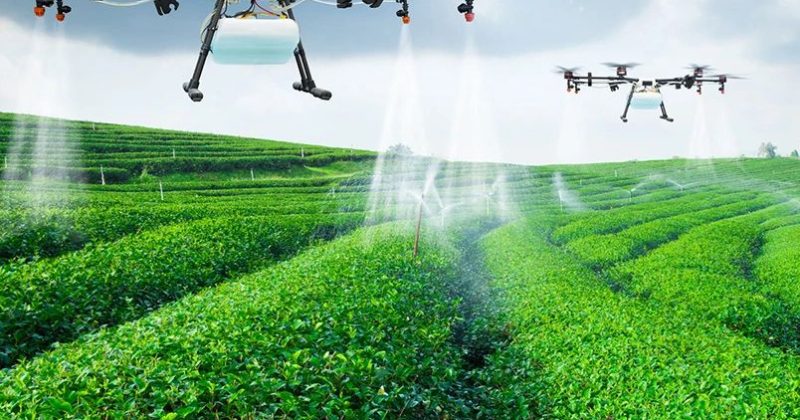
Mutisya further highlighted the potential of digital agriculture, citing China’s success with AI, remote sensing, and big-data tools to guide planting and irrigation.
“Digital agriculture is not a luxury; it is a necessity,” he said.
He added that Africa’s youth must be central to agricultural innovation, arguing that empowering young people with technology, training, and financing could transform agriculture from subsistence to enterprise.
“When young Africans see agriculture as innovation and technology, not subsistence, we secure our food systems and our future,” Mutisya said.
Other speakers echoed the urgency of greening Africa’s growth model.
Equity Bank’s Nathan Kimani noted that financial cooperation between China and Africa is increasingly targeting projects that merge technology, sustainability, and long-term resilience. He said the growing use of the Chinese Yuan in cross-border trade is also cutting transaction costs and facilitating the importation of renewable energy and agricultural machinery.
“The future of this partnership lies in interdependence, not dependency,” Kimani said.
From the media sector, KBC Senior Editor Martin Bahati Mwanje emphasized the role of journalists in shaping public understanding of green innovation.
“Seeing is believing, and the media must bring these innovations to the public,” he said, urging factual reporting on China–Africa cooperation in renewable energy, digital agriculture, and technology transfer.
Dr. Rabecca Ndeto, a lecturer at the Catholic University of Eastern Africa, highlighted the growing impact of China–Africa youth exchanges, scholarships, and digital learning platforms in equipping young Africans to design and implement green solutions.
“The power of youth lies in transforming ideas into action and action into lasting change,” she said.
The symposium concluded with a call for stronger partnerships between governments, financial institutions, academia, and the private sector to position green agriculture as the backbone of sustainable growth across Africa.