NAIROBI,Kenya Oct 22 – Kenya will begin releasing the first group of people quarantined following exposure to Ebola on Sunday, October 25, as health authorities continue efforts to contain the outbreak that has so far recorded nine confirmed cases and one death.
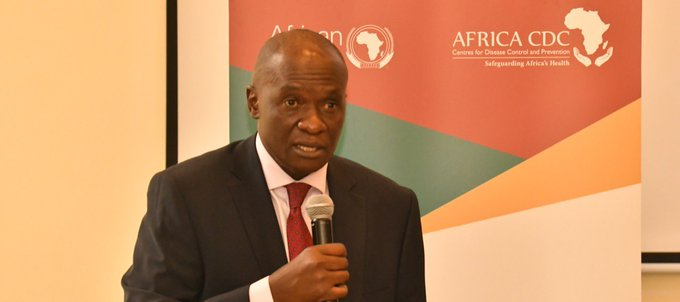
Director-General for Health Dr Patrick Amoth said the contacts would be discharged after completing the mandatory 21-day monitoring period without developing symptoms, with the exercise to be led by the Kenya National Public Health Institute (KNPHI).
“Our first contacts will begin leaving the quarantine facilities on Sunday. The team will be led by the Kenya National Public Health Institute’s (KNPHI) Acting Director-General Dr Kamene Kimenye,” he said during an engagement on October 21.
Amoth said the situation remained under control, but warned against complacency as health teams continued to monitor people who had been exposed to the virus.
“We are not out of the woods, but we want to assure you. Remain calm and vigilant, but there is no need to panic. So far, the cases are clustered around the index case, with no case of community transmission,” he added.
By October 20, authorities had traced and quarantined 134 of the 135 contacts identified in connection with the infections, representing 99.3 per cent of the total.
The ninth case involved a 24-year-old man who tested positive while already in quarantine, underscoring the importance of monitoring exposed individuals throughout the virus’s incubation period.
The eight surviving patients were reported to be in stable condition and responding to treatment, according to the Ministry of Health. The initial patient, who had travelled from the Democratic Republic of Congo (DRC), died in October.
Ebola’s infection risk
The outbreak involves the Bundibugyo strain of Ebola, a viral disease that can cause severe illness and death.
According to the World Health Organisation (WHO), Ebola disease has an average case fatality rate of about 50 per cent across outbreaks, although rates have varied from 25 to 90 per cent. These figures cover different Ebola outbreaks and should not be interpreted as the expected fatality rate for Kenya’s current cluster.
The virus spreads through direct contact with the blood or other bodily fluids of an infected person who has developed symptoms, or through contaminated objects and surfaces. It can also spread through contact with the body of someone who has died from the disease.
Unlike airborne infections, Ebola is not transmitted through the air. People infected with the virus do not transmit it before symptoms develop, making early detection, isolation and contact tracing critical to controlling its spread.
Symptoms typically appear between two and 21 days after exposure. They include fever, fatigue, muscle pain, headache and sore throat, which may be followed by vomiting, diarrhoea and abdominal pain. Bleeding can occur in some patients, usually at a later stage of the illness.
The 21-day monitoring period is therefore designed to cover the longest recognised incubation period. Contacts who remain symptom-free throughout the period can be discharged, while anyone who develops symptoms requires immediate assessment and appropriate isolation.
WHO says there is currently no licensed vaccine or specific approved treatment for Bundibugyo Ebola, although vaccine and treatment candidates are under development. Medical management focuses on supportive care, including rehydration and treatment of symptoms and complications. Early supportive care can improve a patient’s chances of survival.
Preparedness measures
Kenya began strengthening its Ebola preparedness measures after an outbreak was declared in the DRC in May 2026.
According to WHO, nearly 5,000 healthcare workers have since received training to recognise the disease and care for patients safely. Preparedness measures include surveillance, contact tracing, laboratory testing, infection prevention and control, and screening at points of entry.
The government has also identified five facilities for isolating and managing suspected and confirmed cases: Kenyatta National Hospital, Moi Teaching and Referral Hospital, National Police Service Hospital, Port Reitz Hospital and Nairobi Hospital. Authorities have indicated that isolation capacity can be expanded if necessary.
A dedicated laboratory has been established at the Kenyatta National Hospital Infectious Disease Unit to handle routine tests for patients receiving Ebola care, while protective equipment and other response supplies have been distributed to high-risk areas.
Health authorities are also monitoring travellers at selected points of entry, particularly those arriving from countries affected by the outbreak or considered at risk.
WHO has supported the response through technical assistance, protective equipment, testing kits and infrared thermometers. The organisation has also emphasised the importance of community engagement and public awareness in preventing further infections.
The Ministry of Health has maintained that there are no restrictions on travel, trade or public gatherings, while urging Kenyans to remain alert and report suspected cases promptly.
What happens next?
The release of the first group of contacts will mark a significant stage in the response, but it will not mean that the threat has ended.
Health authorities must continue tracing contacts linked to confirmed cases and monitoring those still within the 21-day window. Additional infections may still emerge among people already identified and quarantined.
Under WHO guidance, the 42-day countdown towards declaring an Ebola outbreak over begins only after the last confirmed or probable case meets the required clearance conditions. The period represents twice the maximum 21-day incubation period.
The countdown begins the day after the last patient tests negative twice, with the tests taken at least 48 hours apart, or after a safe burial if the patient dies.
Amoth’s assurance that no community transmission has been detected is an encouraging development, but continued surveillance will be essential to establishing whether the virus has been contained.
The Ministry has urged anyone who develops symptoms or suspects exposure to seek medical attention promptly and contact the health information line on 719 for guidance.