NAIROBI, Kenya Jun 19 – Ethics and Anti-Corruption Commission (EACC) Chief Executive Officer Abdi Ahmed Mohamud has been elected to the Executive Committee of the African Association of Anti-Corruption Authorities (AAACA).
The AAACA is a continental platform that brings together anti-corruption agencies from across Africa to strengthen cooperation in preventing, detecting, and combating corruption.
It works to promotes collaboration and information sharing among member states’ anti-corruption bodies and advances common standards in governance, transparency, and accountability across Africa.
The continental body also supports capacity building and institutional strengthening
and enhance cross-border investigations and recovery of stolen assets.
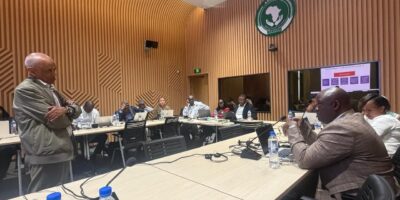
The 8th AAACA Annual General Assembly held in Nairobi, also witnessed the establishment of a framework for collaboration in information sharing, capacity building, fraud detection and prevention, joint research, training, and technical cooperation among anti-corruption institutions across the continent.
The framework comes after the AAACA and the World Bank Group’s Integrity Vice Presidency (INT) signed a landmark Memorandum of Understanding (MoU) aimed at strengthening cooperation in the fight against corruption and safeguarding development resources across Africa.
Speaking on behalf of the World Bank Group Integrity Vice President, Maria Thestrup, Ms. Martha Chizuma emphasized the urgency of collective action, noting that: “Corruption remains one of the greatest obstacles to sustainable development, undermining public institutions, diverting resources from essential services, and reducing the impact of development investments.”
She further underscored the importance of strong anti-corruption systems in Africa, where the World Bank maintains its largest active development portfolio spanning infrastructure, health, education, and energy sectors.
The partnership is expected to strengthen institutional capacity, enhance accountability and transparency, and ensure that development resources reach their intended beneficiaries.