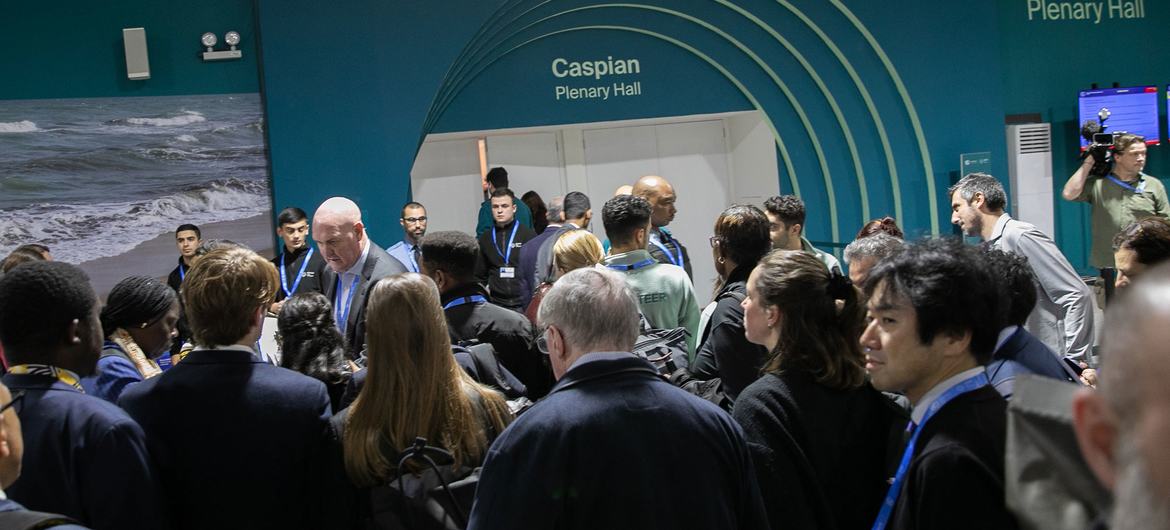
Negotiations at the COP29 climate conference in Baku have gone into overtime after developing nations rejected an offer from wealthy countries to provide $250 billion annually for climate finance by 2035.
The figure, presented as part of a draft finance deal by the Azerbaijani presidency, falls far short of the $1.3 trillion per year requested by developing nations to combat the escalating impacts of climate change and scale up carbon-cutting efforts.
Developing countries criticized the offer as inadequate, with representatives from small island states describing it as “a slap in the face” and evidence of “contempt for our vulnerable people.”
The proposed $250 billion, a modest increase from the expiring $100 billion annual pledge agreed 15 years ago, would come from both public and private sources. Under the proposed deal, emerging economies like China would not be obligated to contribute but could make voluntary donations that would count toward the total.
The $1.3 trillion figure, touted as the overall goal for climate financing by 2035, includes funding for adaptation, mitigation, and loss-and-damage measures. However, delegates expressed frustration over the lack of specifics on how the money would be sourced, whether through grants, loans, or private investments.
A Longstanding Dispute
The issue of climate finance has long been a contentious point in global climate negotiations. The original $100 billion pledge was criticized for being delivered late and primarily as loans, further indebting vulnerable nations.
Now, as COP29 seeks to establish a new global climate finance target, or New Collective Quantified Goal (NCQG), the divide between richer and poorer nations threatens to derail progress.
Wealthy nations argue that their $250 billion pledge represents a significant increase, but climate experts and activists maintain it is insufficient given the growing urgency of the climate crisis.
Activists have staged protests at the conference, calling on developed nations to “pay up” and take responsibility for their outsized role in causing global warming.
What’s at Stake
COP29, dubbed the “climate finance COP,” was expected to deliver a concrete funding framework to replace the $100 billion target set to expire in 2025. Experts estimate that developing nations require between $1 trillion and $1.3 trillion annually to address climate-related challenges, including loss and damage, adaptation measures, and the transition to clean energy.
Last week, multilateral development banks, including the World Bank, pledged to boost climate financing for low- and middle-income countries to $120 billion annually by 2030, with an additional $65 billion from private sources. However, this still falls short of the projected needs by 2035.
Looking Ahead
Delegations are expected to continue negotiations over the weekend, focusing on unresolved issues such as the role of developed countries in providing funding, a global goal for a just energy transition, and clear pathways for both adaptation and mitigation efforts.
Civil society groups have called on negotiators to push back against what they see as inadequate offers. “No deal is better than a bad deal,” said Jacobo Ocharan of Climate Action Network International. Meanwhile, others warn that continued delays will have dire consequences for the most vulnerable populations.
With the clock ticking, the fate of a global climate finance agreement remains uncertain, highlighting the persistent tensions between those most responsible for the climate crisis and those bearing the brunt of its impacts.