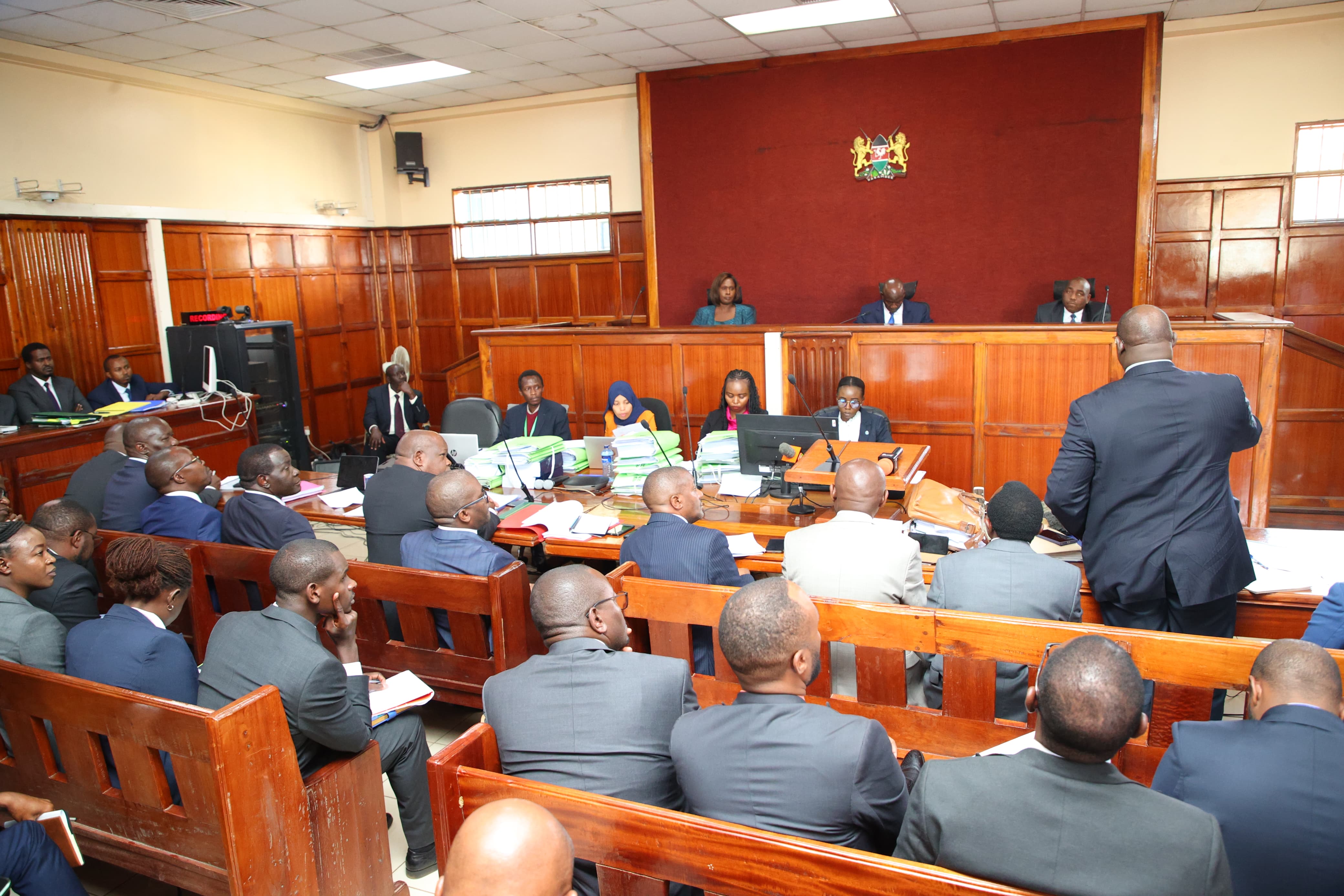
NAIROBI, Kenya, June 15 – The Court of Appeal (CoA) has declined to suspend High Court orders restricting the engagement of external lawyers by public entities, dealing a setback to county governments and state agencies that had argued the measures could disrupt legal representation and expose taxpayers to costly liabilities.
In a ruling delivered on June 12, the appellate court dismissed an application by the Nakuru County Government seeking to stay conservatory orders issued by the High Court that require public bodies to justify and obtain approvals before hiring private law firms where in-house legal teams already exist.
The decision leaves in place interim safeguards aimed at scrutinizing the growing use of private advocates by national and county governments, a practice that petitioners say has contributed to the wasteful expenditure of public funds despite the existence of publicly funded legal offices.
The dispute stems from a constitutional petition filed by Magare Gikenyi and other petitioners challenging what they describe as the widespread outsourcing of legal services by government institutions at significant cost to taxpayers.
The petition argues that the practice undermines prudent use of public resources and violates constitutional principles on fiscal responsibility and cost-effective procurement.
Under the High Court’s revised orders, public entities seeking to engage external counsel must demonstrate the need for specialized legal expertise, provide detailed financial justifications and secure the relevant approvals before public funds can be committed to such engagements.
Nakuru County Government, backed by several respondents including the Council of Governors and the Law Society of Kenya, argued that the restrictions would hamper the ability of public institutions to respond to litigation, particularly in urgent matters.
“The government entities will be unable to procure legal services which are more often than not extremely urgent thus not only denying them legal representation but also exposing the Government and County Government entities to legal liabilities due to undefended claims pending receipt of authority from the Attorney General County Executive Committees.”
“The legal claims instituted against the various government and County Government entities from 12th January 2026 will have gone undefended due to lack of legal representation thus rendering the appeal nugatory.”
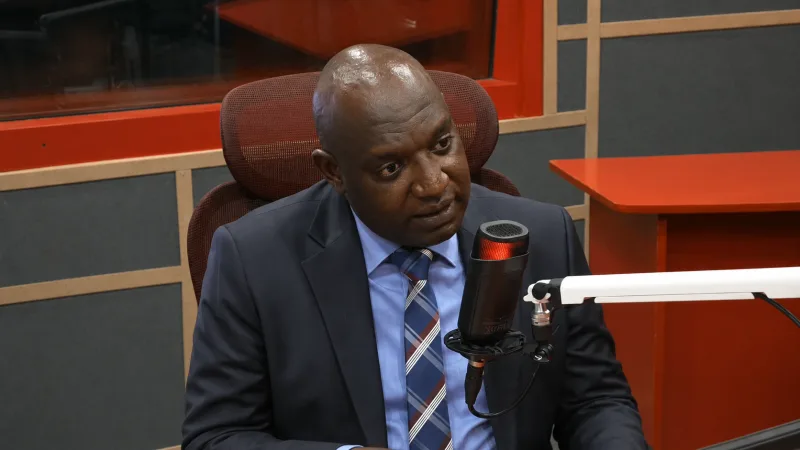
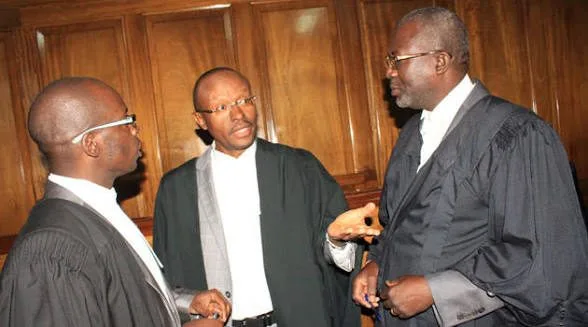
Senior Counsel Tom Ojienda, appearing for the applicant, further argued that the conditions imposed by the High Court effectively rewrote procurement rules governing the hiring of external legal services and created operational challenges for public agencies facing tight litigation deadlines.
However, the petitioners maintained that the orders do not prohibit public entities from hiring private lawyers but instead introduce accountability measures designed to protect public finances.In its determination, the Court of Appeal acknowledged that Nakuru County Government had raised arguable legal questions, including whether the High Court exceeded its jurisdiction and infringed on the principle of separation of powers.
Nevertheless, the judges found that the applicant had failed to demonstrate that the appeal would be rendered nugatory if the conservatory orders remained in force.
The ruling is likely to intensify scrutiny of legal expenditure across government institutions at a time when public spending efficiency remains under the spotlight.
Auditor-General reports have repeatedly flagged expenditure on external legal services by public entities despite the presence of in-house legal departments, an issue that sits at the heart of the ongoing constitutional challenge.