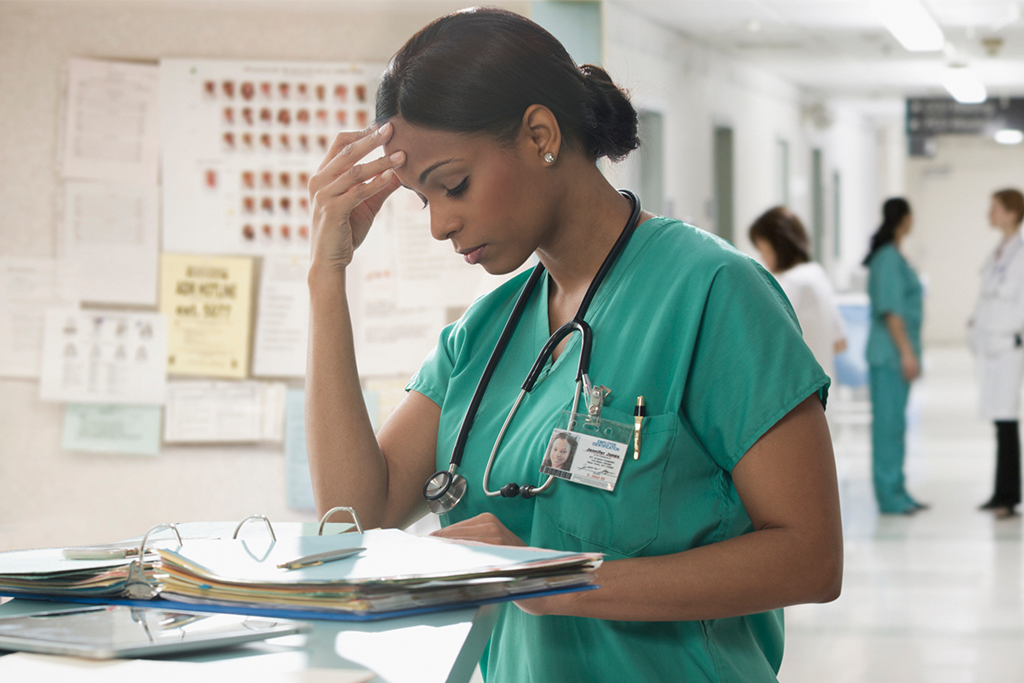
Every year from the 6th to the 12th of May, the world celebrates International Nurses Week. The aim of this is to honor the huge contributions that nurses make to our society.
The Sauce spoke to Juliet Mesopir, a practicing nurse for over ten years to give us her insight on what makes nurses so important and help us build awareness around this in order to cultivate a true appreciation for their work. We would also like to give aspiring nurses some insight on the details of the career.
Juliet never thought of becoming a nurse. When deciding between careers, she wanted to venture into one that needed people and that she could establish herself in and have security. In the process, she fell in love with nursing and realized it was her calling.
She started by telling us about the process of going through nursing school. “It is a science” she said, and as such, it was difficult to go through. Within her first month of nursing school she already had to begin internships and be on the ground dealing with all kinds of patients and situations. The first stage of nursing school took her three years and it taught her to be flexible, open minded and ready for anything.
Once Juliet got her nursing diploma and became a registered nurse, a process that took three years, she began her career as a psychiatric nurse. She worked on a ward with young adolescents who had psychiatric disorders and autism for about four and a half years. After that, she worked for Red-Cross where she was responsible for roughly two-hundred and fifty asylum seekers seeking refuge in Belgium, where she resides. This job taught her a lot about patience, communicating through language barriers, being there for people in times of crisis and providing efficiency and quality simultaneously.
She returned to her old job where she has been working for the last six years upon the realization that psychiatric nursing in particular is her passion. She also went back to pursue her Bachelor’s degree in nursing during evening school for three years while still working as a psychiatric nurse. A very taxing but rewarding experience for her.
When asked what a nurse does on a daily basis, she emphasized that “nurses are professionals” they stand 24 hours close to the patients and are integral to giving feedback to doctors, health specialists and the loved ones of the patients. She added that they are managers, educators communicators and are definitely experts in their field.
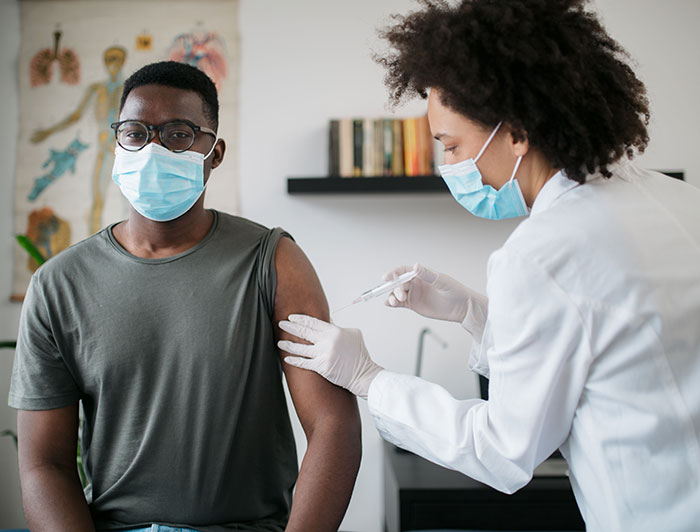
We were obviously curious to know from a nurse’s point of view, what dealing with Covid was like for them. She said it was crazy establishing new protocols, making patient care accessible and dealing with the fear of catching Covid and passing it on to her loved ones. The hardest thing for her was seeing that there were no beds for cancer patients because of the large number of critical Covid cases. She says that her friends in nursing who worked with Covid patients were exhausted and they had to work for hours on end in masks and face shields. She is grateful that we have somewhat managed to contain this pandemic.
“Nursing is definitely not for the faint hearted”. Juliet cited two experiences where her patients committed suicide and she lost two others to cancer but nonetheless, they are trained to act and handle situations. She emphasized that it’s hard not to take things home with them, “we aren’t super-humans, we are humans” but on the other hand, healing people is very rewarding so all in all, a balance is struck. She also tells us to remember that nurses juggle many patients and their families all at once which is difficult considering both the patients and their families are very demanding because they are worried, this is also stressful for the nurses.
Despite a lot of being people being grateful to Juliet’s role as a nurse in society, she still believes that nurses should be taken more seriously and that having avenues like International Nurses Week is important because it makes them feel remembered. She is moved by the work unions are doing in advocating for nurses to be better paid.
She added that in her experience she has noticed the future of nursing become more inclusive of members of LGBTQ+ spectrum and it has been interesting to witness the accepting of people for who they are.
There is so much more to nurses than most people know and they are like real life super heroes who do not get nearly the amount of credit they deserve.