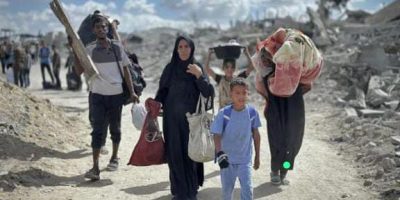
UNITED NATIONS, Aug 7 (Xinhua) — The amount of critical supplies allowed into the Gaza Strip was up by 33 percent in July over June, UN humanitarians said Friday.
The UN Office for the Coordination of Humanitarian Affairs (OCHA) said the limited improvements in the flow of supplies came as needs remain immense and people continue to depend heavily on aid.
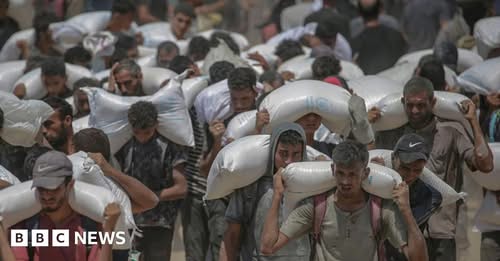
In July, 55,000 pallets of aid entered the strip, approximately 35,000 metric tonnes.
“About 60 percent of these supplies were food, followed by smaller volumes of shelter, water, sanitation, hygiene and health items,” OCHA said. “Additional supplies were brought in by the private sector.”
However, the office said its partners warn that restrictions remain on the types of supplies allowed into the strip and additional approvals are needed to bring in engine oil and spare parts, because all humanitarian operations depend on vehicles and backup generators that need to be maintained.
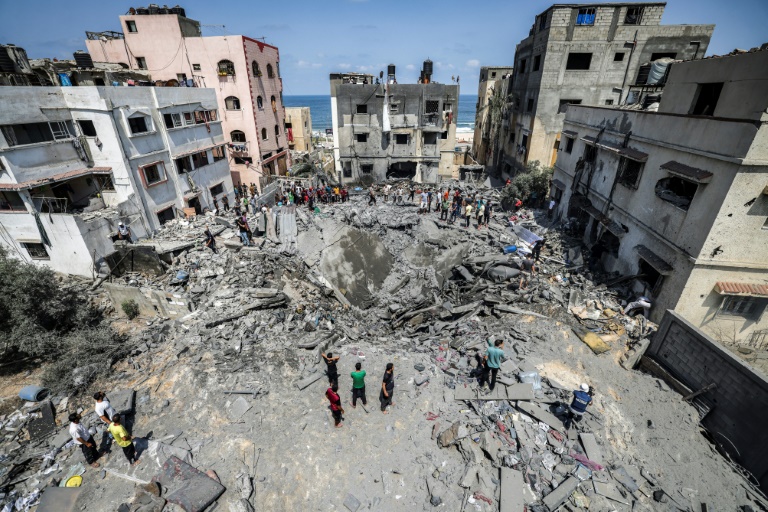
The UN Satellite Centre estimated that the number of destroyed structures across Gaza has increased by 9 percent since the October 2025 ceasefire declaration.
Despite the severe damage, Gaza can be rebuilt once the fighting has halted and aid can be brought in, said Farhan Haq, deputy spokesman for the UN secretary-general.
“We at the UN have a long experience, in fact, of rebuilding different areas that have been conflict zones. And the UN Development Programme, in particular, has been making the analysis of how much it would cost in terms of both rubble removal and reconstruction,” Haq said Friday.
In the West Bank, humanitarian partners with the Palestine Red Crescent Society reported that more than 50 people were injured during a two-day operation carried out by Israeli forces last week in Qalandia Camp, near Jerusalem, OCHA said.