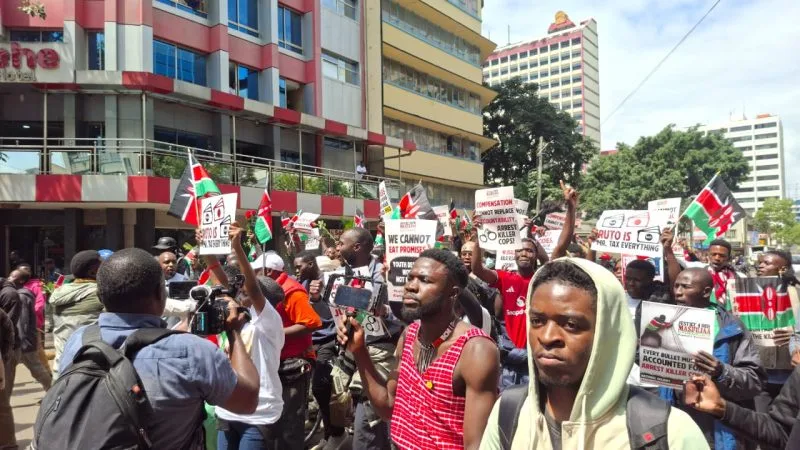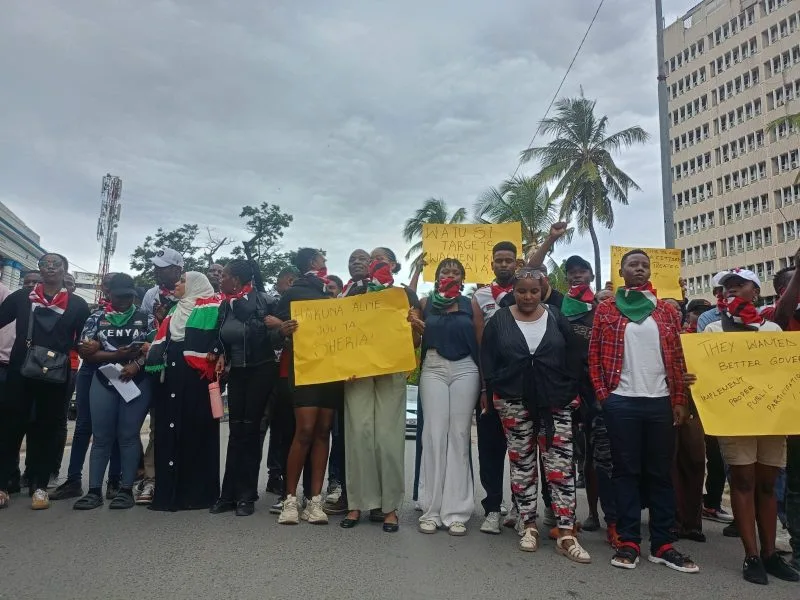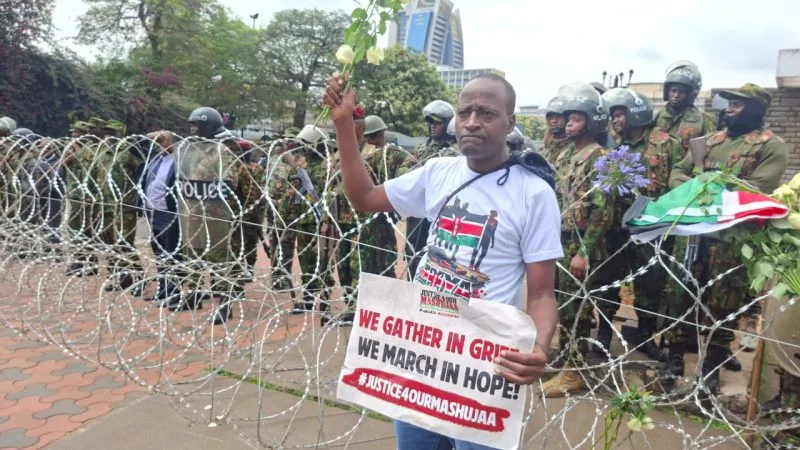
NAIROBI, Kenya, Jun 25 – Activists commemorating the June 25 Gen Z protests have rejected compensation as a substitute for accountability, demanding the arrest and prosecution of police officers implicated in the deaths of demonstrators.
The activists further called for the establishment of a national memorial, and a formal apology from the government.
The demands were made outside Parliament on Thursday as activists, families of victims, and youth groups laid flowers in memory of those killed during the anti-government protests of 2024 and subsequent demonstrations.
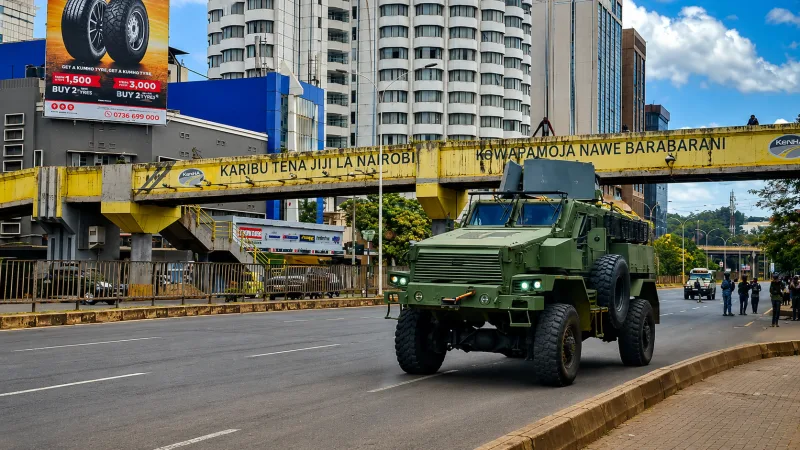
Led by rights campaigners and civil society leaders, the commemorations unfolded amid a heavy security presence and extensive restrictions around Nairobi’s Central Business District, which remained largely deserted throughout the day.
Vocal Africa Executive Director Hussein Khalid said the families and supporters of victims would not be satisfied with financial compensation alone, insisting that justice requires criminal accountability for officers responsible for protest-related deaths.
“We are not leaving here today until we lay these flowers and remember the Gen Z martyrs,” Khalid said.
“Compensation is not enough. We want justice. We want the killer cops arrested, removed from service, and charged in a court of law.”
Khalid argued that recurring deaths during demonstrations were evidence of a culture of impunity within law enforcement, questioning why officers linked to previous killings had not been prosecuted.
“The reason we repeatedly see killings during protests is because those responsible are still walking free. The government must explain who is protecting these killers,” he said.
He described the Gen Z movement as a turning point in Kenya’s political history, saying the protests had emboldened citizens to demand greater accountability from leaders.
“A generation stood up and said enough is enough. People are speaking more boldly and demanding better governance. The country has changed and it will never go back to the old ways,” he said.
Activist Boniface Mwangi expanded the list of demands, calling on President William Ruto’s administration to formally apologize for the deaths of young protesters and to institutionalize their remembrance.
“We want an apology from the government of Kenya. Apologize to the young people for killing them,” Mwangi said.
“Build a monument in their honour. Arrest all killer cops and declare June 25 a national holiday so that future generations remember the sacrifice of these young Kenyans.”
Mwangi argued that despite the government’s insistence that Thursday was a normal working day, the deserted streets and widespread closure of businesses reflected the significance of the anniversary.
“As you can see, there is no work and there is no school. The young people have already declared this a holiday,” he said.
He also accused the government of using security measures to restrict participation in the commemorations, pointing to road closures and police barricades that limited access to Nairobi’s city centre.
“The entire city has effectively been locked down. Kenyans should have been free to come and commemorate this day,” he said.
Another activist, Cop Shakur, said the country would struggle to heal unless police accountability became a national priority.
“This country will not know peace until police officers stop killing the people they are supposed to protect,” he said.
“We still have reports of masked and unidentified individuals working alongside police to arrest and detain people. Nobody is above the law, and nobody should be allowed to kill Kenyans with impunity.”
Shakur called for a national conversation on police reforms and accountability, arguing that the deaths of protesters reflected deeper governance and human rights challenges.
“What has died in this country is humanity. We continue seeing innocent blood shed and very little accountability. Unless we address the root causes, nothing will change,” he said.
The activists’ demands came as police deployed a public-address mounted armored vehicle across sections of the CBD, ordering remaining protesters to disperse. Security officers later used teargas to break up groups of demonstrators and activists marching toward Central Police Station.
Despite the confrontations, commemorators maintained that the anniversary was about honouring those who lost their lives while renewing calls for justice, accountability and institutional reforms.
The June 25 commemorations mark two years since the Gen Z-led demonstrations against the Finance Bill transformed Kenya’s political landscape, placing youth activism, governance and state accountability at the centre of national debate.