NAIROBI,Kenya Nov 14 – Young innovators from five African countries have developed digital solutions to help hospitals track blood supplies, anticipate shortages and coordinate the movement of blood between facilities, in an effort to address persistent gaps in blood management across the continent.
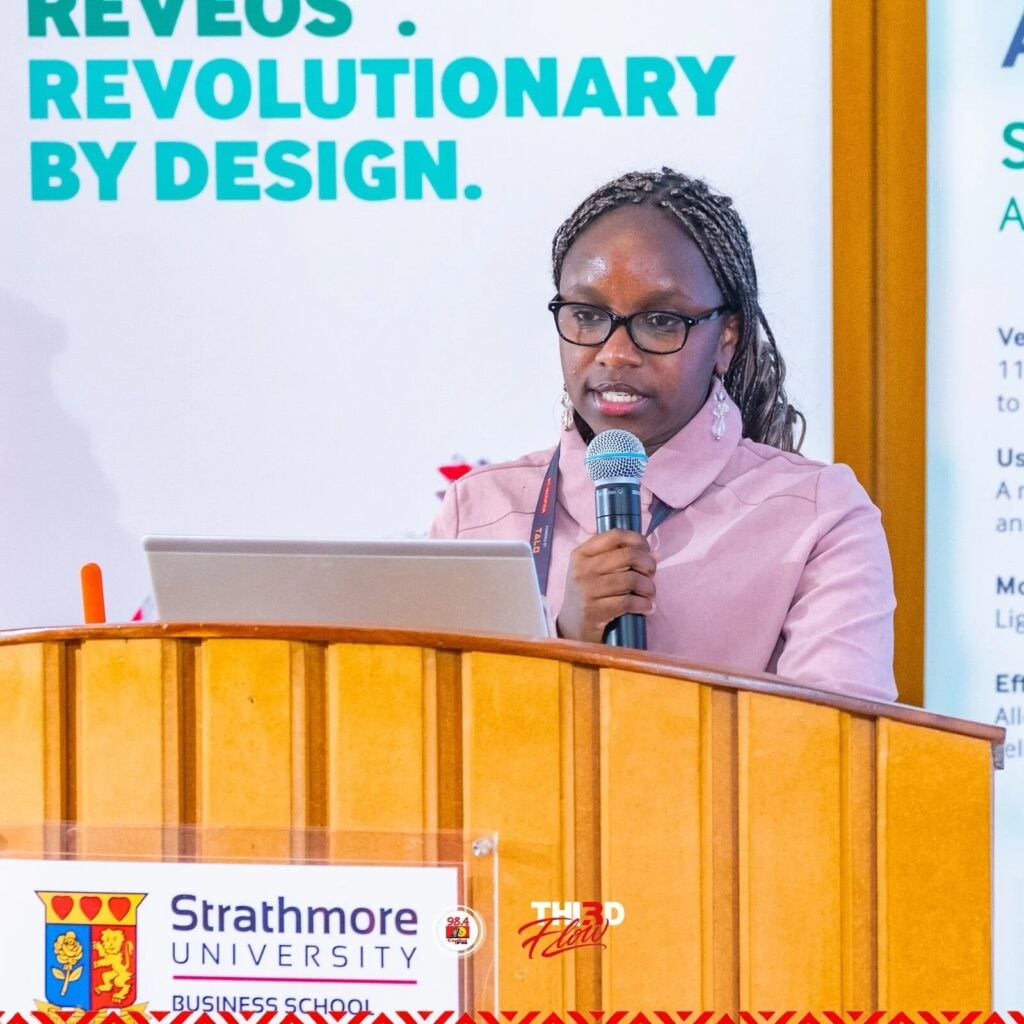
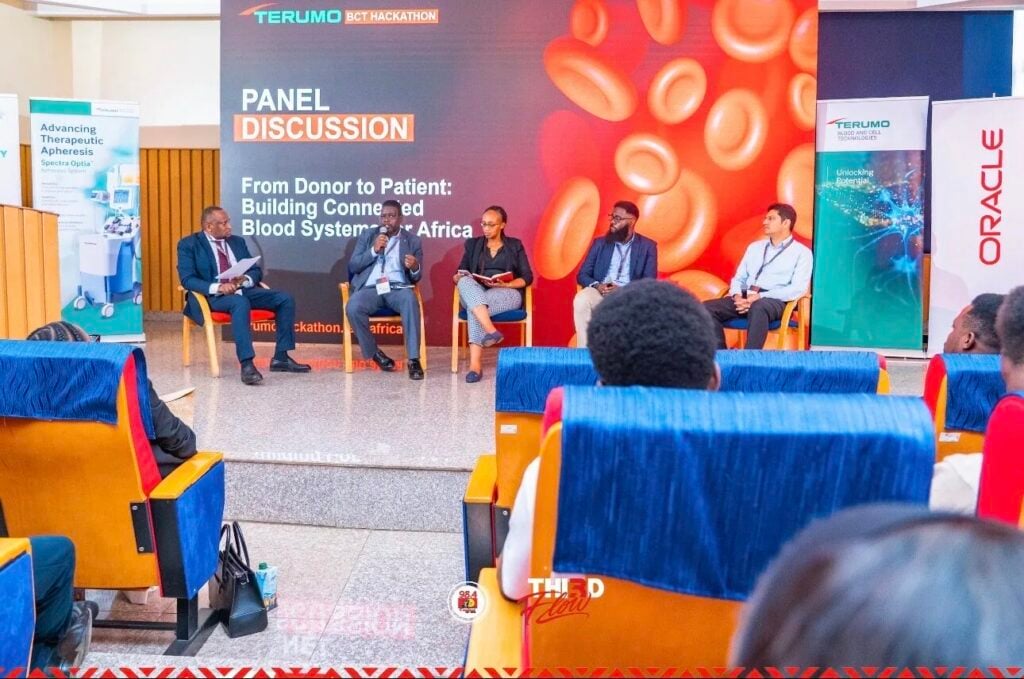
The innovations were showcased during the Terumo BCT Africa Hackathon 2026, held at Strathmore University in Nairobi on Friday, November 13, where five finalist teams presented working software prototypes designed to improve the management of blood from donation and storage to transfusion.
The projects seek to address challenges arising from fragmented hospital and blood bank information systems, which often make it difficult for healthcare workers to establish where blood is available, particularly when patients require urgent transfusions.
Speaking during the showcase, Digital Health Agency (DHA) Director of Digital Health and Informatics Dr Jeremiah Mumo called for technology that responds to practical challenges within the country’s healthcare system, including the lack of real-time information on blood availability.
“We are looking for a system which will be able to predict, which will be able to give the correct analysis and status of blood in the country,” he said.
Team Relay, comprising Kenyan and Nigerian innovators, emerged the overall winner, taking home a USD 5,000 prize for developing HemoGrid, a digital platform designed to help hospitals identify available blood stocks and coordinate transfers between facilities.
Kenya’s Medibora team finished second with Providus, a forecasting system that analyses blood supply and demand to predict potential shortages by blood group and geographical location.
HemoGrid seeks to reduce the time hospitals spend making separate inquiries to establish whether other facilities have compatible blood stocks. Through the platform, a hospital facing an urgent shortage can search for available supplies within participating blood banks and healthcare facilities before initiating a transfer request.
The proposed system requires authorised healthcare personnel to approve transfers, ensuring that decisions on blood movement remain under professional oversight.
Providus, meanwhile, focuses on anticipating shortages before they occur by analysing supply and demand patterns to establish which blood groups are likely to run low, where gaps may emerge and how many days remain before stocks become insufficient.
During the demonstration, Medibora showed how the information could be accessed through a digital dashboard and basic mobile phones using Unstructured Supplementary Service Data (USSD) and short message service (SMS).
The approach is intended to extend access to blood supply information to facilities with limited internet connectivity, allowing healthcare workers to plan blood collections and redistribute stocks before shortages escalate.
The other finalists targeted different weaknesses in the blood management chain.
Kenya’s UnitTrace focused on improving the accuracy of blood bank records by identifying duplicate entries, missing information and unusual data requiring verification. The system flags questionable records for review, with supervisors required to approve corrections before they are implemented.
Damu Signal, developed by innovators from Rwanda and Nigeria, demonstrated a forecasting platform capable of projecting a hospital’s blood requirements up to 14 days in advance. It uses the projections to recommend possible transfers between blood centres, leaving transfusion officers to approve, modify or reject the proposed movements.
TrustLedger, developed by participants from Ghana, Nigeria and Zimbabwe, focused on monitoring the conditions under which blood is stored and transported.
The platform uses information on storage temperatures, electricity supply, transportation conditions and stock levels to identify blood units that may require additional checks. Any concerns are flagged for healthcare personnel to investigate, with the system maintaining records of the reviews undertaken.
Despite their different approaches, the five innovations share a common objective of using digital technology to improve visibility, coordination and accountability across the blood supply chain, while retaining the role of healthcare professionals in critical decisions.
The demonstrations form part of broader efforts to develop an African Blood Bank Information System that would connect blood centres, hospitals, laboratories and healthcare professionals through shared information.

Talo Africa Chief Operating Officer Mike Edie, whose organisation helped deliver the hackathon, said the evaluation focused not only on the functionality of the prototypes but also on their ability to address practical healthcare challenges and operate across multiple facilities.
“Is it scalable? So can you do it more than once, or is it just a hospital to hospital?” Edie said, highlighting the importance of developing solutions that can be adopted beyond individual institutions.
Terumo BCT Government Affairs representative and hackathon project manager Edith Ombati said the competition sought to encourage young developers to build technologies that reflect the realities of African healthcare systems, particularly facilities operating with limited infrastructure and internet connectivity.
“Not every blood center in Africa is connected to internet, not every blood center is very highly technical, so we wanted more than anything a system that is created for our realities, a system for us by us,” she said.
The competition brought together innovators aged between 18 and 35 from five African countries under the theme Building Better Blood Systems for Africa.
Participants were required to develop functional prototypes rather than fully deployable systems, with the demonstrations conducted under rules prohibiting the use of actual patient or donor records.
The initiative comes amid persistent concerns over unequal access to safe blood and blood products, particularly in lower-income countries where shortages, inadequate infrastructure and logistical constraints can affect patients requiring emergency transfusions.
However, the technologies showcased at the hackathon are not yet ready for nationwide implementation. Their adoption would require further technical assessment, testing in healthcare facilities, regulatory consideration and agreements with the institutions expected to use them.
Organisers said the competition could create opportunities for further development of selected innovations in collaboration with healthcare institutions and technology organisations.
The next challenge will be translating the prototypes into systems that can function reliably within existing healthcare infrastructure, with their effectiveness measured by whether they improve blood availability, reduce delays in accessing supplies and strengthen patient safety.