NAIROBI,Kenya June 21 – A Nairobi-based water technology startup is steadily changing how households across the city think about something as ordinary as drinking water.
In homes from South B to Kasarani, Buruburu to Kilimani, families that once relied on boiling water or buying 20-litre dispensers are installing in-home purification systems, often after a conversation with technicians, neighbours, or small wellness-focused retailers.
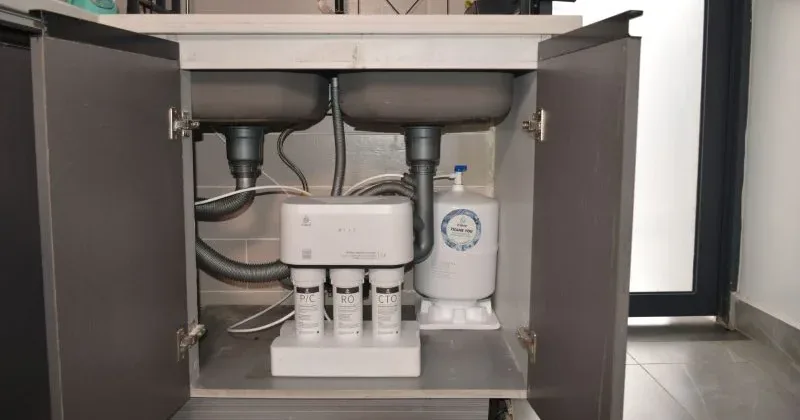
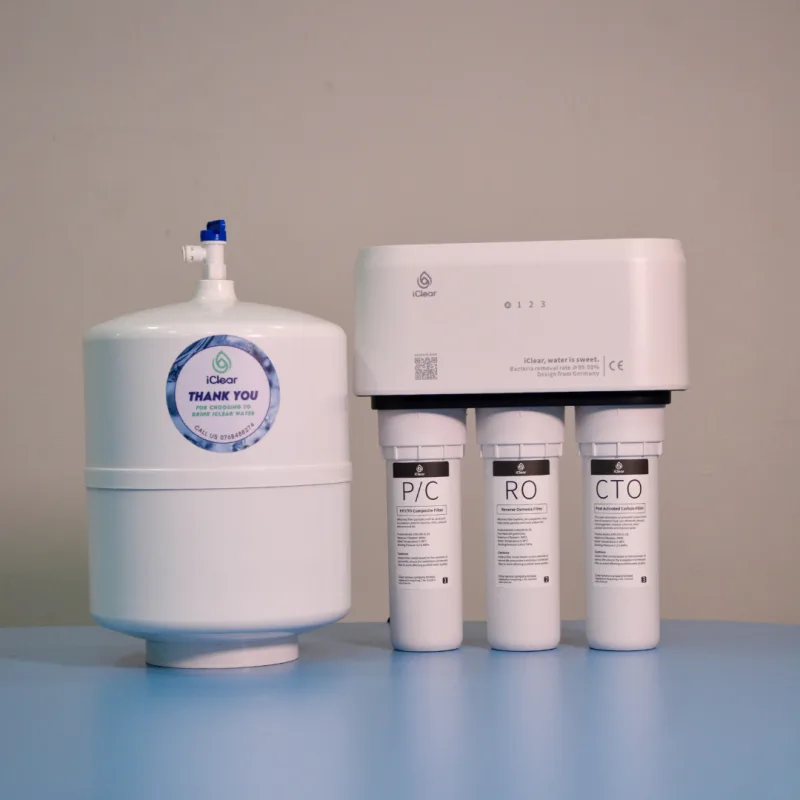
The shift is percipitated by a growing network of installers and distributors working with companies such as iClear Wellife Limited, which provides household water purification systems now increasingly found on Nairobi kitchen counters.
“We go into homes where people have been boiling water for years,” says one technician. “After installation, many clients tell us they didn’t realise how much their daily routine could change until they tried filtered water.”
For decades, boiling water has been the default safety measure in Kenyan households.
Public health messaging reinforced the practice as an effective way to kill disease-causing microorganisms such as bacteria and viruses.
But boiling only addresses part of the problem.
It does not remove dissolved contaminants such as fluoride, heavy metals, or excess minerals that may be present in groundwater or introduced through ageing distribution systems.
In some cases, experts note, boiling can even concentrate certain substances as water evaporates.
That gap in understanding is increasingly shaping consumer behaviour in urban Kenya, where households are now asking more complex questions about what “safe water” actually means.
Nairobi’s Water Reality
Water quality in Nairobi and surrounding regions varies widely depending on source and infrastructure.
In some areas relying on boreholes or groundwater, naturally occurring fluoride has been documented at elevated levels. Long-term exposure to excessive fluoride can contribute to dental fluorosis, which affects enamel development, particularly in children.
In older parts of the city, ageing pipelines present another challenge.
Even when treated water meets safety standards at the point of distribution, it can be affected during transit through corroded or deteriorating infrastructure before reaching homes.
These issues have led to growing public awareness that water safety is not uniform across a rapidly expanding areas.
Behind the statistics are households making deeply personal decisions.
One Nairobi mother describes how concerns about her child’s dental health led her to reconsider what the family was drinking.
“My daughter’s teeth had started changing colour,” she says. “The dentist mentioned fluorosis and asked what kind of water we use. That is when we started looking at purification. Since installing the system, we use that water for everything drinking and cooking.”
For her, the change was both health-driven and practical. The household no longer relies on supermarket water deliveries and has reduced the daily routine of boiling and cooling water.
Another resident says convenience was the main motivation.
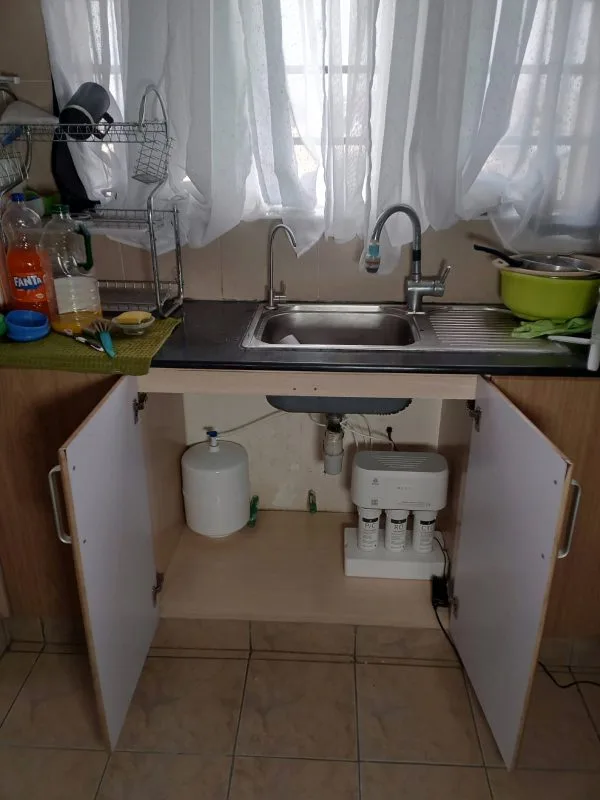
“We wanted clean drinking water in the house without carrying bottles all the time,” she says. “Now we just use the system. It has simplified things for us.”
Such accounts are becoming more common as households weigh convenience, cost, and perceived health benefits.
Water is also entering a broader wellness discussion in Nairobi households, particularly among couples thinking about long-term health and fertility.
Medical experts caution that fertility is influenced by a wide range of factors, including genetics, hormones, lifestyle, stress, and environmental exposures. Water is only one possible component among many.
However, growing awareness of environmental contaminants has led some families to examine all potential sources of exposure more carefully, including drinking water.
“It is not about blaming water,” says a health practitioner familiar with urban wellness trends. “It is about people becoming more intentional about what they consume and the environments they live in.”
What Changes After the Switch
For households that install purification systems, the perceived benefits often extend beyond health concerns.
Some report reduced spending on bottled water. Others highlight convenience and reduced reliance on deliveries. A few mention lower energy use compared to repeated boiling.
There is also a psychological shift an increased sense of control over something previously taken for granted.
For technicians working across Nairobi, the pattern is consistent: questions come first, followed by hesitation, then installation, and finally adjustment to a new routine.
“After a few weeks, most clients say they cannot imagine going back,” one installer notes.
Infrastructure Shift
Unlike major infrastructure projects, this transformation is happening inside kitchens, not public systems.
It is driven by a combination of private innovation, consumer awareness, and changing household priorities.
Water, once treated as a background utility, is now part of the same conversation as food quality, exercise, air pollution, and preventive health.
In that sense, Nairobi’s water story is no longer just about supply and treatment plants.
It is also about how families interpret risk, trust information, and make decisions in an increasingly health-conscious urban environment.
And in kitchens across the city, that shift is already running through the tap.