NAIROBI, Kenya, July 22 – The National Treasury expects Kenya’s economy to grow by 5 percent in 2026 despite global uncertainties, supported by easing inflation, structural reforms and increased private sector investment.
Treasury Principal Secretary Chris Kiptoo said growth is projected to rise to 5.1 percent in 2027 and 5.2 percent in 2028.
The Treasury, however, revised its 2026 growth forecast down from 5.3 percent, citing disruptions caused by the Middle East conflict, which pushed up global fuel prices, disrupted supply chains and weakened external demand.
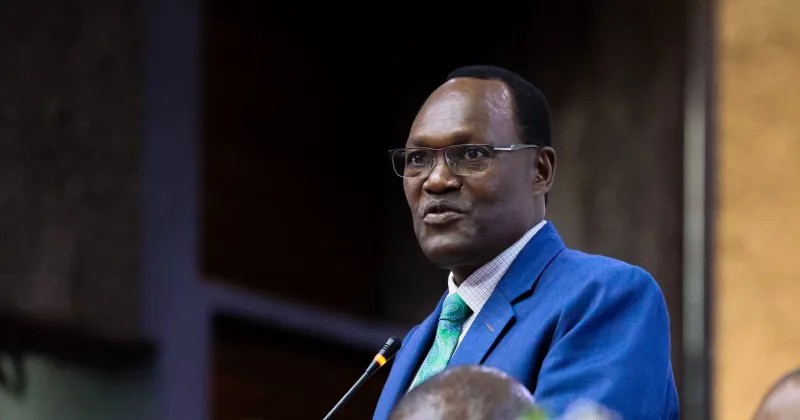
Speaking during the launch of the 2027/28 budget preparation process, Kiptoo said the economy remains supported by agriculture, financial services, manufacturing, construction and tourism.
The economy expanded by 5.3 percent in the first quarter of 2026, with accommodation and food services recording the fastest growth at 14.7 percent on the back of increased international tourist arrivals.
Manufacturing also posted its strongest performance in recent years, driven by higher production of cement, sugar, milk, soft drinks and locally assembled vehicles.
Kiptoo said macroeconomic conditions have continued to improve, with the Central Bank Rate falling to 8.75 percent from 13 percent in 2024, while commercial lending rates have eased and private sector credit growth accelerated to 9.3 percent, particularly in agriculture, trade and construction.
Kenya’s external position also strengthened, supported by higher exports, resilient remittance inflows and foreign exchange reserves of $14.1 billion, equivalent to six months of import cover.
The Kenya shilling has remained relatively stable at about Sh129.5 against the US dollar.
Despite the positive outlook, the Treasury warned that fiscal challenges remain after revenue collection for the 2025/26 financial year fell short of target by Sh90.1 billion, while expenditure was Sh190.4 billion below target due to lower-than-expected absorption of both development and recurrent spending.
“By end June 2026, revenue collection was below target by KSh90.1 billion mainly on account of shortfalls in ordinary revenues of KSh53.5 billion while Ministerial AIA is below target by KSh36.6 billion,” Kiptoo said.
“Total revenues grew by 8.6 percent by end June 2026 while ordinary revenues grew by 6.9 percent over the same period.”
Although the fiscal deficit narrowed to 6.7 percent of GDP, the Treasury said the improvement was largely driven by lower spending rather than stronger revenue performance.
The Treasury identified weak tax collections, rising public sector wage costs, emergency spending on floods and drought, and increasing financing needs as key risks that could constrain future budgets.