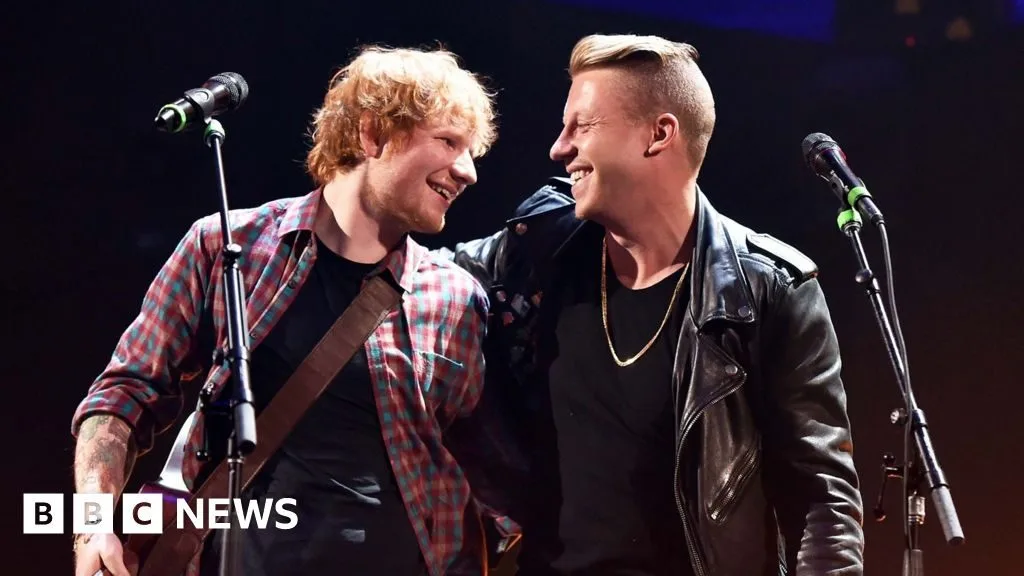
For decades, the standard playbook for mega-tours has been simple: keep the focus on the music, sidestep controversy, and treat the stage as an insulated bubble of escapism. Pop megastars like Ed Sheeran have long championed the idea that massive stadium concerts should serve as great unifiers—spaces where diverse crowds can gather for a few hours of shared joy, completely detached from the fractures of the outside world.
That playbook has just been torn to shreds.
The abrupt, cascading collapse of support acts and band members from The Loop Tour—sparked by the ouster of rapper Macklemore over pro-Palestinian remarks onstage—signals a definitive end to the era of quiet compliance in mainstream live entertainment. When artists like Finneas, Lukas Graham, Aaron Rowe, and Sheeran’s longtime backing band, Beoga, collectively walked away, they transformed a standard tour logistics crisis into a profound cultural reckoning.
The Catalyst: When the Stage Becomes a Battleground
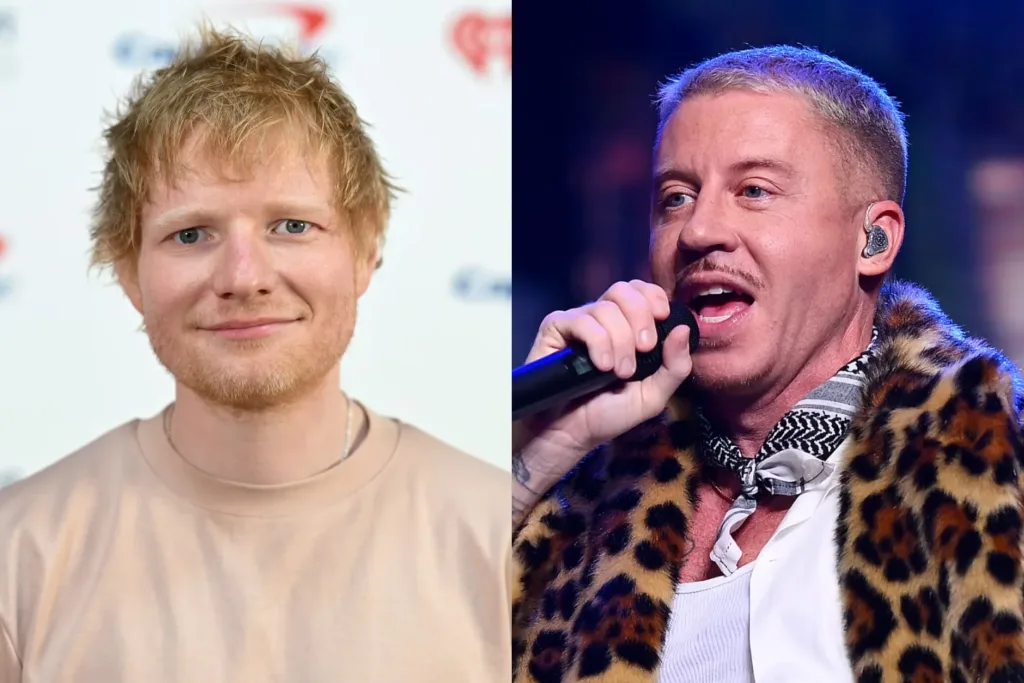
The domino effect began after Macklemore performed at New Jersey’s MetLife Stadium and used his platform to advocate for Palestinian liberation, performing his track “Hind’s Hall”. The subsequent backlash was swift: venues and promoters, reportedly under pressure from corporate stakeholders like New England Patriots owner Robert Kraft, moved to drop the rapper from remaining dates.
When Ed Sheeran broke his silence, he attempted to draw a hard line between his personal empathy and corporate logistics, stating that the decision belonged entirely to the promoters and venues, not him. He argued that he was trying to protect his crew, his supporting acts, and the fans who had bought tickets.
But in the current cultural climate, neutrality is no longer a shield.
The Ripple Effect of Solidarity
The artists who subsequently pulled out of the tour did not do so lightly. Many, like Aaron Rowe and the members of Beoga, explicitly invoked their own national histories of colonialism, famine, and occupation to explain why silence was no longer an option. Finneas succinctly captured the sentiment shared by the departing acts: “Artists must not be silenced when they speak up for the oppressed.” Lukas Graham echoed the defiance, pointing out that a massive bank balance or corporate venue leverage should never dictate who gets to speak or which human suffering is permissible to acknowledge.
This mass walkout exposes a deep, irreconcilable tension in modern touring. On one side are the mega-promoters, corporate venue owners, and stakeholders who view political commentary as a financial liability—a threat to smooth operations and ticket sales. On the other side is a rising generation of creators and musicians who view their platforms not as commercial commodities, but as moral megaphones.
The Illusion of “Apolitical” Space
The fallout from The Loop Tour proves that the “shut up and sing” era is officially untenable. Audiences and artists alike are increasingly rejecting the notion that massive global platforms can remain neutral while geopolitical crises rage. When a tour’s infrastructure relies on silencing speech, the collateral damage is no longer just a single controversial artist—it is the entire ecosystem of trust between the headliner, the supporting acts, and the audience.
Ed Sheeran wanted to preserve a space for unity and escapism. But true unity cannot be manufactured by sweeping systemic conflict under the rug, nor can it survive when corporate gatekeepers dictate the boundaries of human empathy. By choosing to walk away, these supporting acts have sent an unmistakable message to the music industry: the cost of compliance has finally become too high to pay.