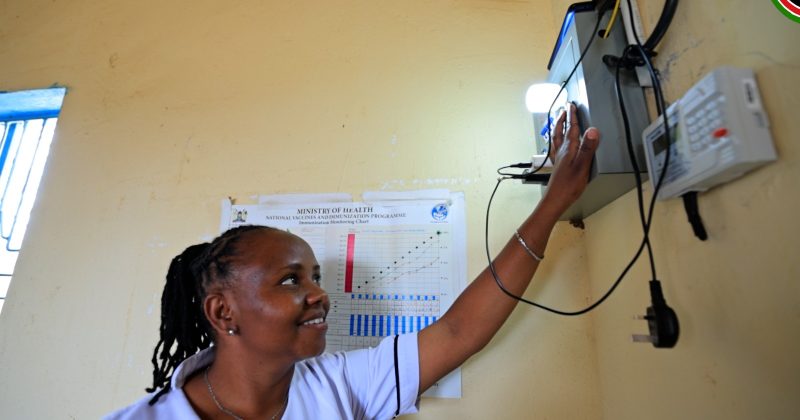
NAIROBI, Kenya, Nov 18 – Tuvila Dispensary, a level 2 hospital in Kitui South, Ikanga Ward, Makele Kiangwa location operated in darkness, literally for seven long years.
Since its opening in October 2018, the small level-two health facility has had no access to electricity.
For Nurse Juliet Nzau, the pioneer and nurse-in-charge, each day meant improvising to save lives in a place where even basic services like immunization were nearly impossible.
“We never had electricity, so that means some services we never used to deliver, which is a very vital part of the facility, we never used to do immunization,” Juliet recalls. “People used to walk long distances, like 15 to 20 kilometers looking for a facility with immunization services.”
In a region where temperatures soar and distances are vast, the lack of electricity meant more than inconvenience, it meant risk. Vaccines could not be stored safely. Maternity drugs and other temperature-sensitive medicines were hard to keep.
The facility relied on a gas-powered freezer, an expensive and unreliable option.
“Gas is very expensive, so it has been a big challenge for us, because sometimes you have to go into your pocket and use your money as you wait for the budget to be released,” Juliet says.
But this month, that struggle finally ended. For the first time since its doors opened, Tuvila Dispensary has been connected to electricity and the change has been immediate and profound.
“Now I can smile,” Juliet says, beaming. “We can finally run immunization services, we will be able to store those drugs for mothers, and we also do cervical cancer screening, whereby we need light for good viewing of the cervix.”
The impact goes beyond the facility’s walls.
Before, residents from Tuvila, Umakele and surrounding villages had to spend money on transport to access immunization and basic treatment at faraway centers.
Many could not afford the fare, forcing them to go without care. Today, the same services are available within walking distance and free of charge, thanks to the Social Health Authority program that caters to all patient costs.
Juliet attends to an average of 600 patients every month, a number expected to grow now that the dispensary can operate more efficiently.
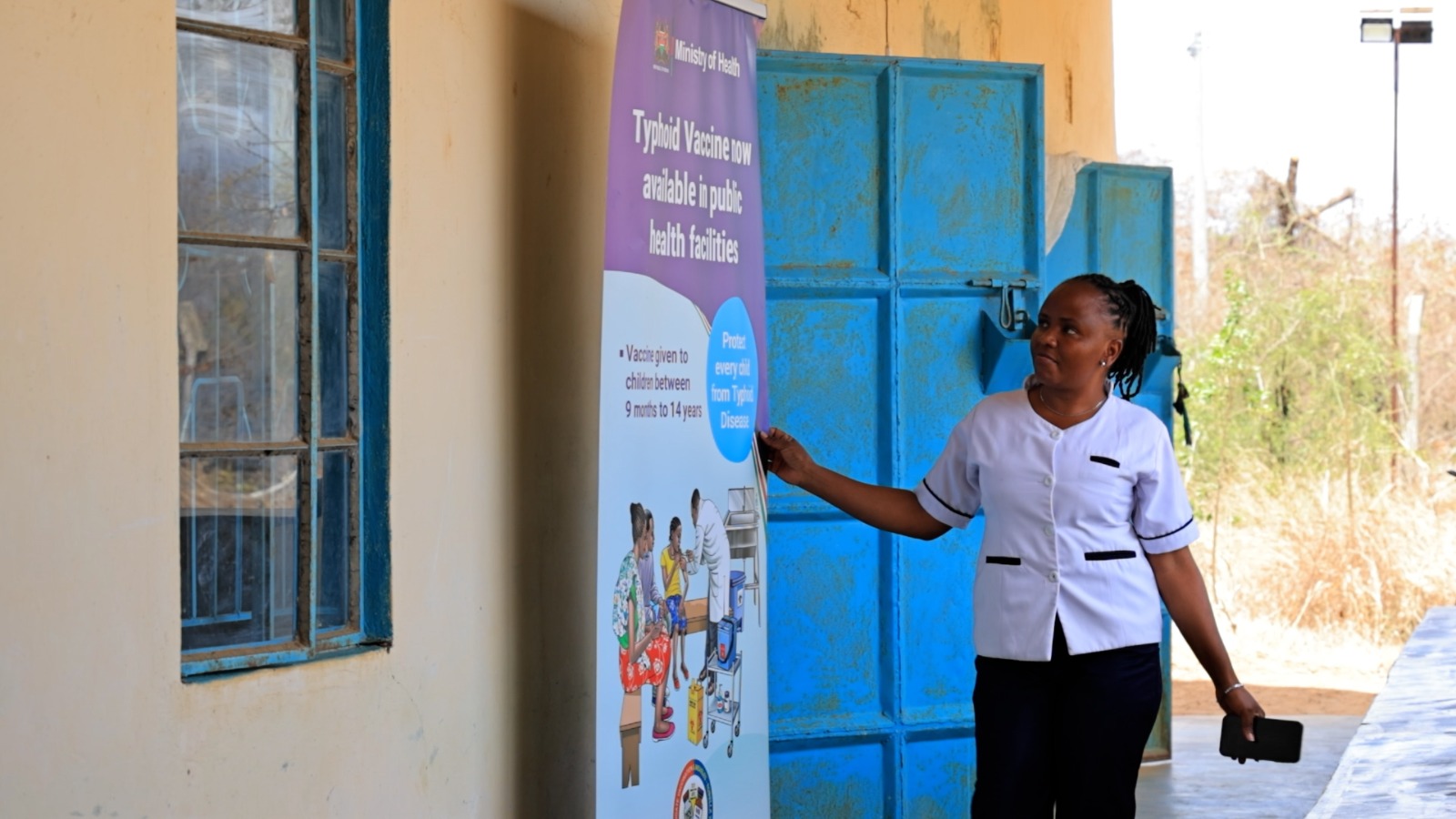
“They (the mothers and patients) do not have to use any money to travel far away, they do not also have to travel long distances, so it will have a big impact on the facility,” says Juliet.
The transformation at Tuvila has been made possible through the government’s ongoing investment in rural electrification.
Kenya Power recently completed a Ksh 22 million interconnector between Kitui and Machakos counties, with plans to construct a new substation at Mbitini to stabilize supply to areas like Ikanga, Voo, Zombe and Ikutha.
Over the last two years, Kenya Power has also upgraded the Kitui Substation, doubling its capacity to 10MVA and improving reliability through a dedicated power line.
“The demand for electricity has been soaring recently, mainly from upcoming light industries and other customers that we have connected to the grid,” said John Wanyoike, Kenya Power’s Kitui County Business Manager.
“To meet this demand, we have increased the capacity at the Kitui Substation and dedicated a 33kV line to the substation, with no other connections on it.”
Currently, more than 94,000 households in Kitui County are connected to the grid, with an additional 7,500 expected to be reached under the ongoing Phase IV of the Last Mile Connectivity Project.
The company has also replaced over 1,200 termite-damaged wooden poles with concrete ones, a Sh140 million investment aimed at improving infrastructure resilience.
For Juliet and her community, these statistics translate into something deeply personal, hope!
“It is like a dream come true, we never knew that we can get electricity,” she says softly. “Now we have electricity, we are so grateful for that.”