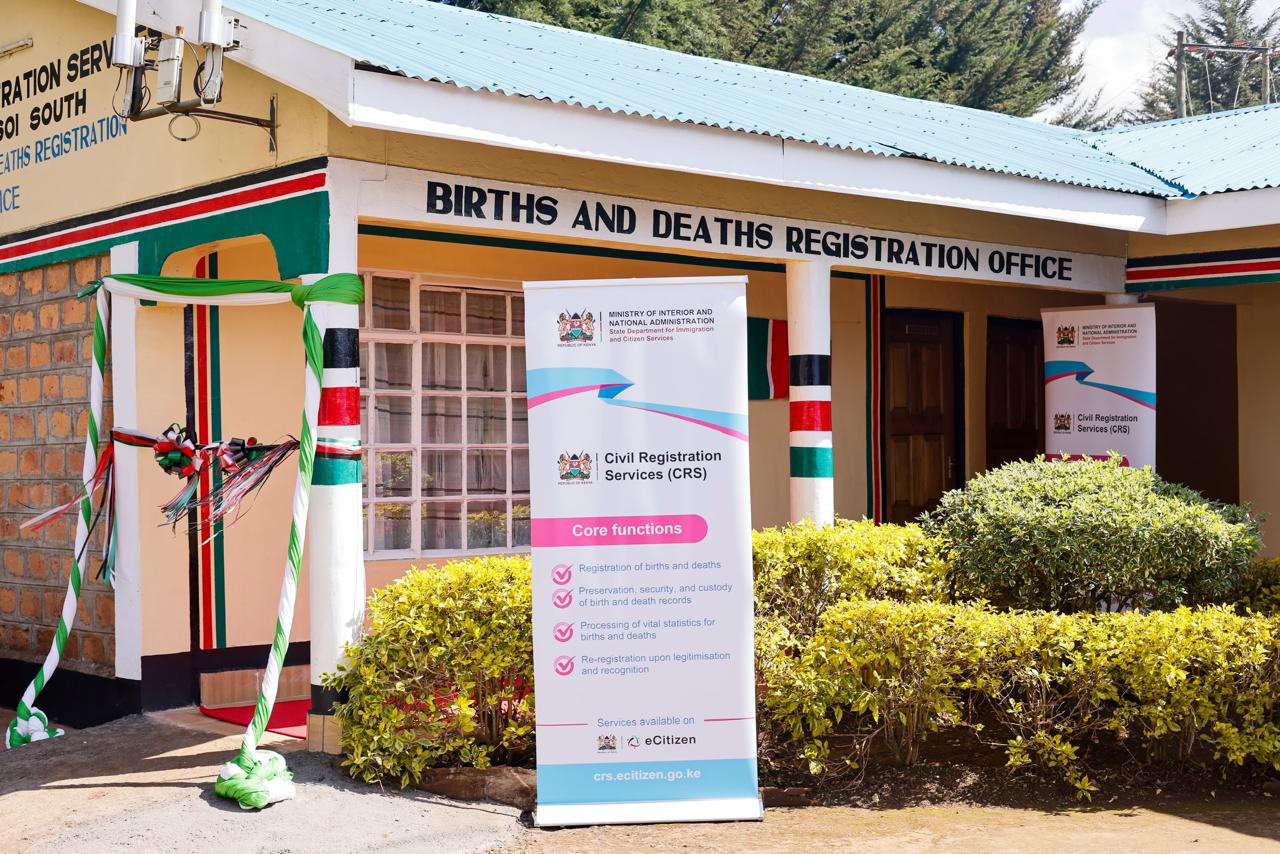
NAIROBI, Kenya, Oct 31 – Nearly eight in every 10 adult deaths recorded in three Kenyan surveillance sites between 2022 and 2023 were not registered, according to a new study, highlighting gaps in the country’s civil registration system.
The study, conducted by researchers affiliated with the KEMRI-Wellcome Trust and published in The Lancet Regional Health – Africa, examined deaths reported by households in Nairobi, Kilifi and Kisumu.
A total of 1,387 deaths were reported in the study areas during the period, with 1,055 adult deaths included in the analysis. Only 22.8 percent of the adult deaths were registered, leaving 77.2 percent unregistered under the study’s definition.
Registration was lower among women, with 18.8 percent of female deaths registered, compared with 26.1 percent of male deaths.
The researchers found that deaths involving children, unemployed people and residents of poorer households were less likely to be registered. Deaths that occurred at home or more recently were also less likely to be recorded.
They attributed the low registration rates to factors including limited public awareness, the perceived lack of benefits and the cost of registration.
However, the researchers said the difference between male and female registration rates was largely explained by the circumstances surrounding their deaths, rather than unequal treatment by the registration system.
The study found that inheritance requirements and access to insurance or social benefits were the main reasons families reported registering deaths, while legal obligations accounted for a smaller share.
The findings come as national death registration rates have also declined, according to the Kenya Vital Statistics Report 2024. The report put completeness at 47.6 percent in 2022, 45.1 percent in 2023 and 44.8 percent in 2024.
To improve registration, the researchers recommended linking burial authorisation to completed death registration, reducing or scrapping the Sh500 late-registration penalty, and strengthening community-based death notification and public awareness.
They also called for a review of inheritance laws, saying changes could influence families’ decisions to register deaths.
The researchers cautioned that the findings should not be treated as a national estimate because the study covered only three surveillance sites. They also noted that their definition of registration differed from that used in national administrative statistics.