NAIROBI, Kenya, June 17 – Opposition MPs have accused the Kenya Kwanza majority in the National Assembly of suppressing debate on the Finance Bill 2026 in a bid to push through what they termed punitive tax measures without adequate scrutiny.
Minority lawmakers claimed the House leadership rushed debate on the 124-page bill, arguing that the process denied MPs sufficient time for clause-by-clause analysis and ignored concerns raised by Kenyans during public participation.
The opposition also protested the handling of voting procedures, alleging that parliamentary rules on division voting were deliberately ignored to shield members of the majority side from public accountability.
Kathiani MP Robert Mbui said the opposition had secured support from more than 30 lawmakers to demand a physical division vote, which would publicly record how each MP voted on the bill.
“The Speaker refused for us to be head-counted so that people will know who voted yes and who voted no to the Finance Bill as it was proposed,” Mbui said.
He argued that Parliament should serve as a forum for debate and accountability rather than a “rubber-stamping machine” for the Executive.
Bumula MP Jack Wamboka accused the majority side of using its numerical advantage to prematurely end debate, claiming fewer than 20 MPs had contributed to the morning session before proceedings were cut short.
The dispute comes as the government seeks to finance a Sh4.82 trillion budget with a projected fiscal deficit of Sh1.14 trillion.
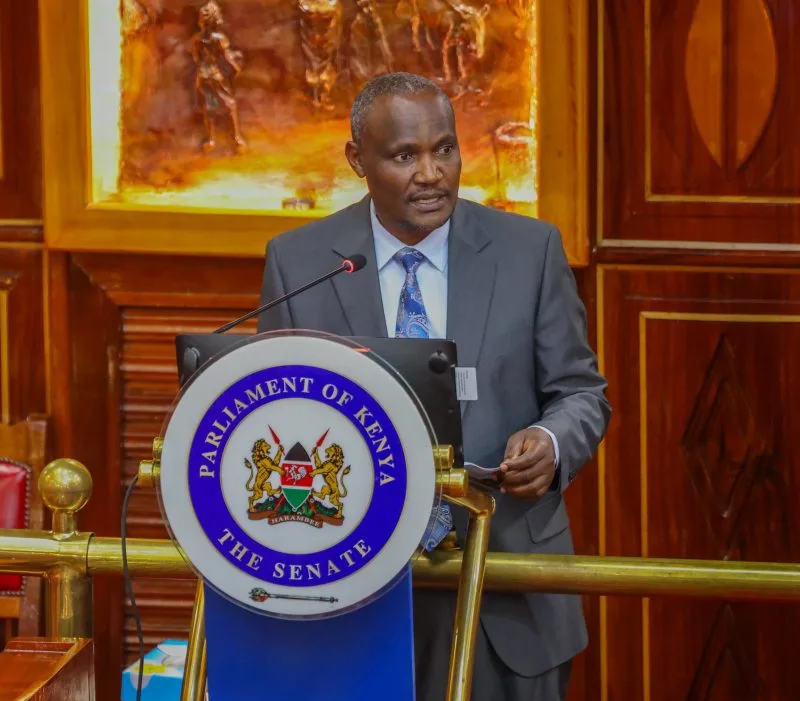
Treasury Cabinet Secretary John Mbadi has proposed raising Sh1.03 trillion through domestic borrowing, compared to Sh116.2 billion from external lenders.
Economists have warned that heavy borrowing from the local market could reduce access to credit for businesses, particularly small and medium-sized enterprises, as banks prioritize lending to the government.
Majority Leader Kimani Ichung’wah defended the parliamentary process, saying all legislative changes must follow established procedures and formal amendments.
Ichung’wah accused opposition lawmakers of criticizing the bill without presenting alternative proposals.
“Anything else, unless as a private member I want to bring a proposal and none of them has brought any alternatives,” he said, adding that some critics had not even reviewed the public participation report.
Kajiado North MP Onesmus Ngogoyo also rejected claims that controversial clauses were being concealed, clarifying that detailed clause-by-clause scrutiny would take place during the Committee of the Whole House stage after the second reading.
Ngogoyo acknowledged that the Finance Bill contains provisions affecting the mitumba sector, specifically under Clause 31, but noted that the majority side intends to introduce amendments aimed at protecting low-income earners earning below Sh30,000 per month.
“It is true that mitumba is actually mentioned in the Finance Bill 2026, and it is in Clause 31,” he said.
Mumias East MP Peter Salasya raised concerns over provisions he said would hurt local industries and farmers, particularly in the sugar sector.
Other contentious proposals in the bill include a 10 percent excise duty on locally manufactured plastic materials and changes to the tax treatment of locally assembled electric motorcycles, buses and bicycles.
The Treasury plans to shift these products from “zero-rated” to “tax exempt” status, a move manufacturers argue would increase production costs because they would no longer claim input VAT refunds.
Opposition lawmakers warned that pushing the bill through without broader consensus and transparency could trigger public backlash.
They insisted that if Parliament fails to address concerns raised by wananchi, they would mobilize public action against the proposed measures.
The Finance Bill 2026 remains one of the most politically sensitive legislative proposals before Parliament, as the government attempts to balance aggressive revenue collection targets with mounting pressure from Kenyans struggling with the high cost of living.
As debate moves to the next stage, businesses, manufacturers and taxpayers are expected to closely monitor whether Parliament adopts key amendments or passes the bill largely unchanged.