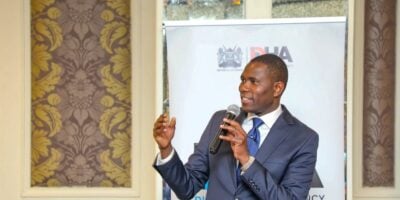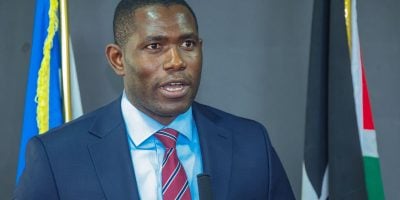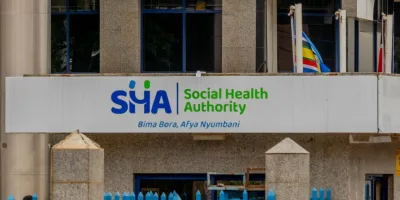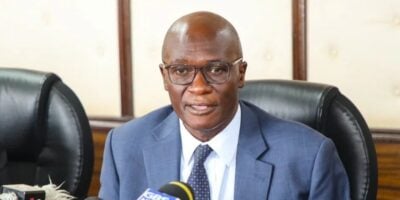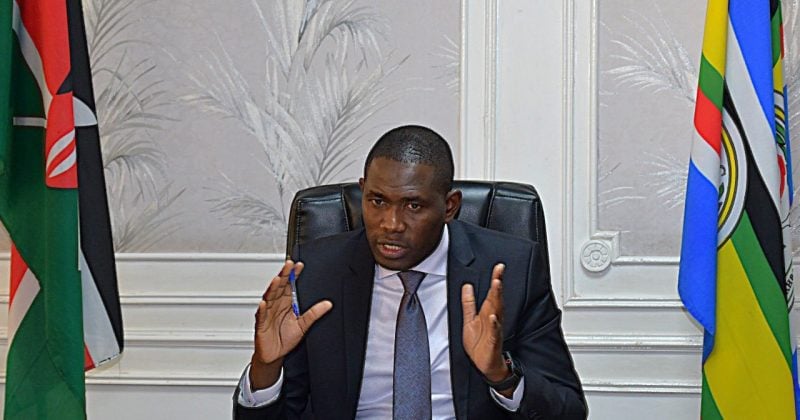
NAIROBI, Kenya Nov 22 – Principal Secretary for Medical Services Ouma Oluga has ordered the removal of payment paybills from public hospitals, directing Social Health Authority (SHA) compliance officers to move in and stop facilities from placing additional financial demands on patients.
Oluga said public hospitals should not worsen the financial struggles of Kenyans by requiring them to raise money before accessing medical services, warning that such practices could push vulnerable households further into poverty.
The PS issued the directive during a meeting with SHA compliance officers and public hospital officials in Vihiga County, where he instructed the officers to inspect facilities and remove payment paybills.
“Compliance officers, go through any public hospital. Any public hospital. Remove those things called paybills. I will give you security,” he said.
Oluga said hospitals must recognise the economic realities of the communities they serve, particularly low-income earners whose businesses and livelihoods could be destroyed by expensive medical bills.
He cited women operating food kiosks and small eateries in local markets, noting that some rely on working capital of less than Sh30,000 to sustain their businesses.
He questioned how such traders could be expected to pay Sh50,000 for treatment without jeopardising their livelihoods.
“You can imagine when that woman comes to the hospital, you want to put for her a paybill to pay Sh50,000. You are closing the business,” he said.
According to Oluga, hospitals should not become contributors to the poverty they are expected to help communities overcome.
“So the hospital then is now contributing to poverty in the society,” he said.
He argued that access to healthcare should be considered alongside other social and economic factors that determine people’s health and life expectancy.
The PS challenged hospital administrators to look beyond treating individual patients and embrace a broader responsibility of improving the health of entire communities.
He identified quality healthcare, training and research, and population health as key responsibilities of public hospitals.
Oluga further urged health facilities to strengthen community outreach programmes to educate residents about available services and how to access treatment through SHA.
He said compliance officers should ensure patients are guided towards using the health insurance system instead of being required to raise substantial amounts of money at hospital facilities.
The PS also questioned the ability of ordinary residents to meet expensive medical bills, asking officers how many people in Vihiga County could afford Sh200,000 in hospital charges.
An officer indicated that only a small number of residents could raise such an amount.
Oluga said the situation demonstrated why public hospitals needed to reconsider practices that exposed patients to financial hardship.
He assured compliance officers that they would receive security support as they carried out inspections and enforced the directive.
The PS said county commissioners had already been informed about the exercise and would facilitate security arrangements for officers moving into public hospitals.
“And the commissioners have been told, the county commissioners, you will be accompanied, go and remove paybills in any hospital. Public hospital,” he said.