NAIROBI, Kenya, June 23 – Kenya’s specialty purple tea has entered the French market in a move aimed at increasing earnings for farmers by targeting high-value consumers rather than traditional bulk tea buyers.
The tea, grown in Murang’a County, was unveiled in Paris at the Hôtel de Crillon during an event attended by tea experts, consumers and industry players.
Known for its floral aroma, fruity notes and high antioxidant content, purple tea is one of Kenya’s niche tea varieties that producers hope will command premium prices in international markets.
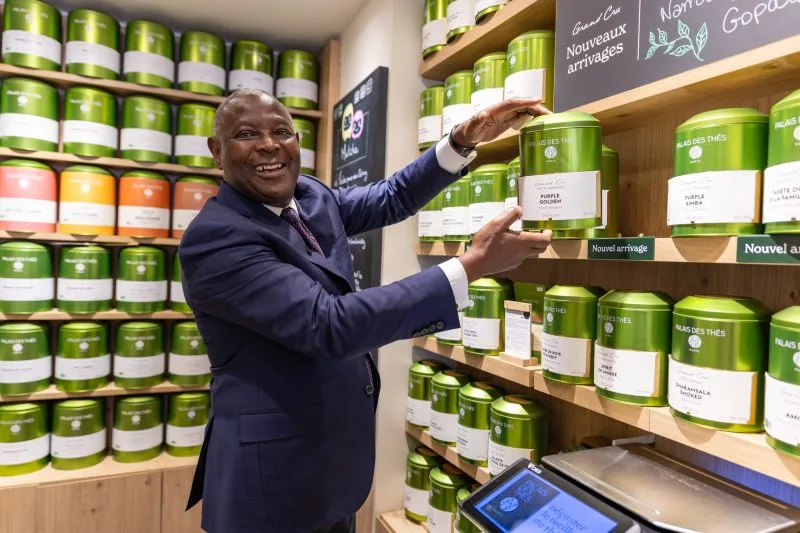
The launch follows a partnership between Gatanga Industries, French tea retailer Palais des Thés and Equity Group Holdings aimed at expanding market access for Kenyan specialty tea.
Industry players say the strategy seeks to move Kenyan tea away from dependence on bulk commodity exports, where prices are largely determined by global market forces, toward branded specialty products that attract higher returns.
According to Equity Group Chief Executive Officer James Mwangi, positioning Kenyan tea as a premium product could significantly improve farmer incomes and increase value retention within the country.
The entry into France also comes amid growing efforts to promote Kenyan agricultural products through value addition and branding rather than exporting raw commodities.
French tea company Palais des Thés, which operates more than 140 stores internationally, is expected to spearhead the marketing and distribution of Kenyan specialty tea in France and other European markets.
The launch was further boosted by exposure at the recent G7 Summit in France, where chefs used a Kenyan Grand Cru tea selected by Palais des Thés to create an infused dark chocolate product, showcasing the potential of Kenyan tea in premium food markets.
Kenya is also pursuing Geographical Indication (GI) status for purple tea, a certification that would legally link the product to its place of origin and help protect its identity in global markets.
Supporters of the initiative argue that stronger branding and direct access to premium consumers could help farmers earn higher prices while enhancing Kenya’s competitiveness in the global specialty tea market.